
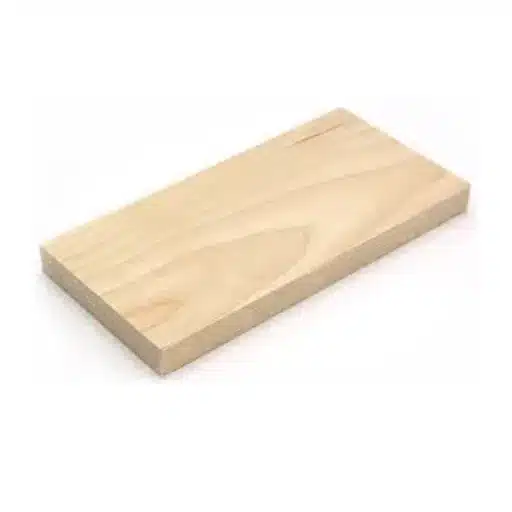
Birch Wood Uses: Where It Shines, Where It Struggles
If you work with wood long enough, birch just keeps showing up on your bench. It’s in that “not as fancy as walnut, not as cheap as mystery hardwood” zone, which is exactly why it’s worth understanding birch wood uses beyond the usual flat‑pack furniture and shop jigs. You start seeing where its hardness, pale color, and predictable grain actually help you, and where it quietly becomes more trouble than it’s worth.
What Is Birch Wood, Really?
Birch is one of those “working class” hardwoods that quietly holds a lot of projects together. It sits in that band of diffuse‑porous temperate hardwoods that machine cleanly, glue well, and don’t scream for attention like figured maple or walnut. So when people talk about birch wood uses, they’re usually leaning on that balance: strong enough, stable enough, good‑looking enough, and still priced where you don’t panic if you miscut a panel.
Key species: yellow birch vs. silver birch
When we say “birch” in furniture and panel work, we’re usually talking about yellow birch from North America, not the ornamental silver birch you see lining a driveway. Yellow birch tends to run a bit heavier and harder, with a slightly warmer, cream‑to‑light‑amber heartwood that deepens under finish. Silver birch, common in northern Europe, is typically a touch lighter in weight and color, more on the pale, almost icy cream side that makes stains and tinted finishes behave a bit differently. If you’ve ever edge‑matched a Baltic birch panel to a North American solid birch frame, you’ve probably noticed the undertone shift you need to correct with stain or toner.
For most shop decisions, you don’t need to memorize Latin names, but you do want to know what “birch” the supplier is actually shipping. The European silver birch used in classic multi‑ply “Baltic birch” panels has a reputation for very tight, uniform veneers and consistent cores, which is why CNC shops baby those sheets a little more than box‑store birch ply. Yellow birch lumber, on the other hand, is often what you’re jointing and planing for face frames, drawer fronts, or painted furniture that still needs a hardwood backbone.
Core properties: hardness, grain, color, workability
On the Janka scale, birch sits in that medium‑hard zone—stouter than poplar, not as brutal on edges as hard maple—so it will take everyday abuse in a kitchen or kid’s room without turning into a dent map. The grain is typically fine and even, sometimes with a bit of subtle figure or faint curl, which is why it planes to a slick surface and takes a sharp profile nicely on a router table. Color out of the planer is usually a clean, pale cream with the occasional slightly darker streak; hit it with an oil‑based finish and you’ll see it warm up a couple of notches, which is great for cozy interiors but something to manage if you’re chasing a cold, Nordic white.
Workability is where birch earns its keep. It machines crisply, holds screws well, and glues without drama, but it can be just blotchy enough under stain that you learn to respect pre‑stain conditioners and test boards. You can rip 37 face‑frame stiles from one run of birch and they’ll all behave predictably under a brad nailer, which is exactly what a production shop wants. So when you’re weighing birch wood uses against, say, maple or beech, you’re really trading a bit of ultimate hardness and prestige for a species that’s easier on tooling, more forgiving in large sheet goods, and still looks clean and professional when the finish crew is done with it.
Everyday Furniture That Actually Suits Birch
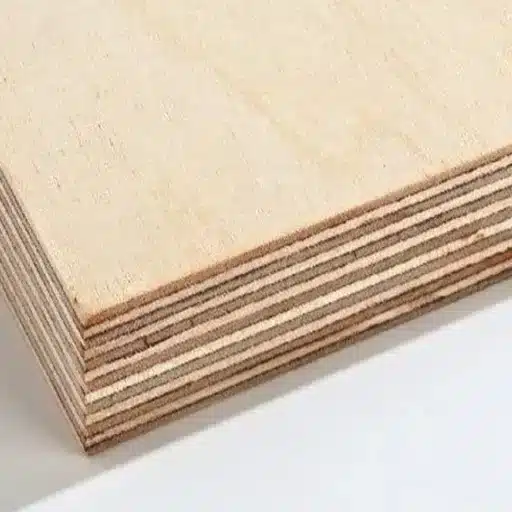
Birch is at its best when the furniture is used hard but doesn’t need to look precious. Think about the stuff people slam, lean on, drag across the floor, and wipe down with whatever cleaner was on sale. That’s where birch quietly outperforms its price tag.
Tables, chairs, and kids’ room pieces
For kitchen and dining tables, birch works well as a base frame and leg material, even if you skin the top with something fancier. It’s hard enough to shrug off the usual fork drops and toy cars, but not so glass‑hard that it explodes under a brad or chips like stone on the jointer. On chairs, birch’s fine, even grain gives you reliable strength in legs and back posts, especially when you’re running 19 or 21 mm stock through a moulder and don’t want random weak spots hiding in the grain. You might not spec it for a 30‑year heirloom set, but for café chairs or everyday family seating, it hits that “good enough structurally, forgiving in production” sweet spot.
Kids’ furniture is where birch really earns its keep. You can build bed rails, toy storage, small desks, and step stools out of birch and know they’ll survive jumping, stickers, and the occasional “let’s see if this holds my weight” experiment. It paints cleanly, so all those soft pastel or bold primary color finishes go on without telegraphing wild grain underneath, and you can still sand out the inevitable gouge without running into wild color shifts. If you’ve ever sprayed a batch of 17 small birch bookshelves for a preschool, you know how nice it is when every edge routes the same and every screw bites consistently.
When birch beats budget hardwoods
Against the usual budget suspects—rubberwood, low‑grade poplar, mystery “Asian hardwood”—birch wins on predictability. It machines cleaner, moves more sensibly with humidity, and tends to have fewer surprise knots right where you wanted a clean mortise. So if you’re building painted shaker tables, simple dressers, or flat‑pack‑style case goods that still need to feel solid, birch is often the smarter call behind the color coat. It also holds fasteners better than many ultra‑cheap species, which matters when you’re driving confirmat screws or knock‑down fittings into carcasses that may be assembled and disassembled a few times.
But there are spots where birch isn’t the hero, and it’s worth being honest about that. If the brief is “visible, open‑grain, high‑character hardwood,” oak or ash simply read better from across the room. If you need bulletproof dent resistance on a bar‑height table in a busy pub, hard maple or even beech will take abuse longer before showing those little dings along the edge. And if the design leans heavily on deep, transparent stains, birch can blotch just enough to make you regret not reaching for maple or a straighter‑grained species. So in the list of birch wood uses, everyday furniture is a strong category—but it’s strongest where you want clean, calm grain, solid structure, and a finish that doesn’t need to do acrobatics to look good.
Is Birch Wood Good for Cabinets and Built‑Ins?
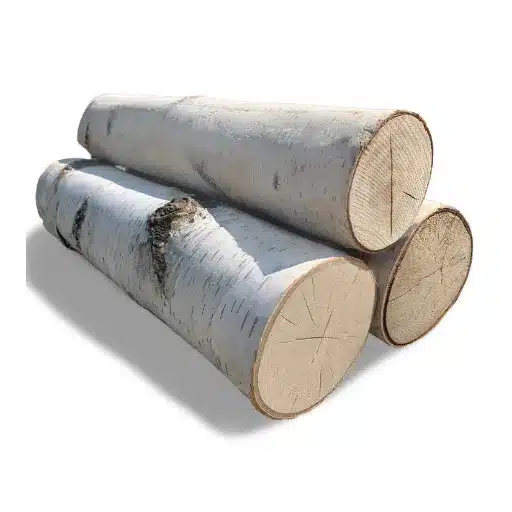
Birch is a solid “working cabinet” species, especially when you care more about clean lines and durability than showing off dramatic grain. It lives in that space where production shops can run hundreds of parts a day and the installer still feels good about how the doors hang and close.
Face frames and doors vs. carcasses
For face frames and doors, birch holds its own. The hardness is plenty for everyday kitchen abuse—vacuum bumps, toy impacts, the odd pan edge—without being so glassy that it chips out every time you cut a profile. Rails and stiles in the 45–60 mm width range stay stable enough that a 720 mm door doesn’t start twisting on you halfway through a humid summer, assuming your moisture content was right going in. On shaker doors, the fine, even grain gives you those nice quiet frames that don’t fight with the panel profile.
On carcasses, you’re often talking birch plywood rather than solid, and that’s where a lot of birch wood uses show up without the homeowner even realizing it. Birch ply sides, tops, and bottoms take screws, hinges, and drawer slides cleanly, especially when you’re using confirmats or Euro‑style hardware. You can edge‑band it in solid birch or with matching veneer tape and get a very convincing “solid” look once the finish is on. So a common setup is birch‑ply carcasses, birch frames, and either birch or a more decorative species for door panels if the client wants more drama.
Birch vs. maple and oak in kitchens
If you’re used to specifying maple for painted kitchens, birch is the slightly more forgiving cousin. It’s a touch softer in feel, easier on tooling, and often a bit more forgiving when you’re running cope‑and‑stick profiles all day. For mid‑range projects where you still want a hardwood cabinet, birch can shave real money off material cost compared to clear hard maple, especially when you’re ordering a few dozen sheets and a pack or two of 8/4 and 4/4. In service, most clients will never know the difference under a good paint system.
Compared to oak, it’s almost a different design language. Oak wants to show grain, wants to be the feature. Birch is the opposite: tight, subtle grain that disappears under paint and sits quietly under clear or light tints. So in modern, flat‑front, or “Scandi‑leaning” kitchens, birch lines up better with the design intent than open‑pored oak, which can telegraph texture through certain finishes. That said, if you need extreme dent resistance on a long bank of island drawers that will see constant impact, hard maple still has the edge; birch is tough, but it’s not a tank.
How birch takes paint and stain (blotch control)
Paint is where birch really shines. Sand to a consistent grit, deal with your edges properly, and it lays down smooth, with just enough grain telegraphing to keep the surface from looking plastic. You can spray a full run of 37 birch doors and the only real variables will be your gun setup and prep, not the species misbehaving under the coating. That’s why so many “paint‑grade hardwood” specs quietly mean birch in the shop.
Stain is a different story. Birch will blotch if you treat it like oak—especially with darker or more transparent colors—because of subtle density changes and how it absorbs pigment. So if part of your birch wood uses plan is stained, not painted, you budget in a pre‑stain conditioner, test boards from the actual batch, and sometimes a dye‑then‑toner system instead of a single wiping stain. When you do that work, birch can take on some very refined looks that mimic higher‑priced species; skip the prep and you get those cloudy patches around end grain and flatsawn areas that scream “value cabinet” from across the room.
Birch Plywood Uses You See All the Time
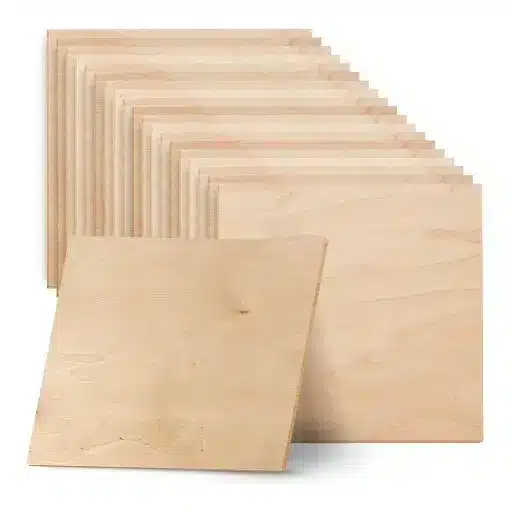
Birch plywood is the background actor of a lot of good furniture and interiors. It’s flat, strong for its thickness, and consistent enough that you stop thinking about the sheet and just think about the parts you’re cutting.
Carcasses, drawer boxes, and shop furniture
Most decent cabinet carcasses you’ve installed that felt solid but not stupid‑heavy were some flavor of birch ply. It holds screws cleanly at the edges, keeps its shape across those 700–800 mm spans, and doesn’t shed random voids when you run a dado or pocket. That’s why so many shops default to 18 mm birch for base and wall boxes, then skin the visible faces with doors and end panels in whatever species the client is paying for. You open a “white painted maple kitchen,” and behind the finish there’s a good chance you’re looking at birch cores everywhere.
Drawer boxes are another classic use. Birch plywood sides at 12 or 15 mm with a solid birch edge give you a tough, clean interior that shrugs off cutlery, spice jars, and the odd dropped screwdriver. The uniform plies mean dovetails, dowels, or simple screws all have something predictable to bite into, which matters when you’re hanging 500 mm full‑extension slides and don’t want callbacks. In the shop itself, birch ends up in everything from outfeed tables to clamp racks because it stays flatter than bargain “shop grade” panels and doesn’t disintegrate the third time you move a cabinet around.
Jigs, templates, and CNC projects
For jigs and templates, birch ply is almost a no‑brainer. You can cut a fence, drill a line of holes, or route a pattern into a scrap of 12 mm birch and know that when you pull it off the wall six months later, it will still be the same shape. The tight veneer layup means screws and T‑track hardware hold without the face blowing out or the core crumbling right when you’re tightening things down. That’s why a lot of shops end up with this quiet stack of odd‑shaped birch offcuts that never make it to the burn pile—they’re all “future jig material.”
On CNCs, birch plywood really shows off. The density and clean inner plies let you dial in toolpaths and feeds without babying every pass, and small parts don’t chip away at the edges like they will in cheaper, void‑ridden cores. You can nest 43 parts out of a single 4×8 and trust that each pocket and slot is going to be within a fraction of a millimetre of what the drawing called for. So when people talk about birch wood uses in a modern shop, they’re often talking as much about the ply as the solid: carcasses, jigs, fixture plates, slatwall, CNC‑cut organizers, all the quiet infrastructure that makes the “hero” pieces possible.
Outdoor or Damp Locations: Where Birch Wood Starts to Complain
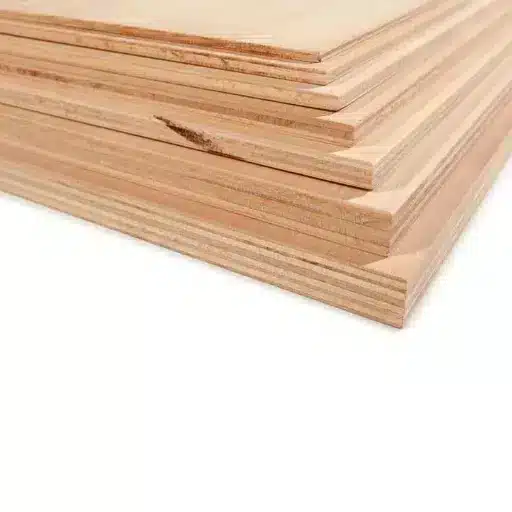
Birch does its best work inside, away from real weather. Put it where it sees repeated wet‑dry cycles or standing moisture, and it starts to move, check, and generally let you know it’s not happy.
Why birch is mostly an interior species
Birch doesn’t have the natural decay resistance you get with species like teak, white oak, or genuine mahogany, so constant moisture is a long‑term problem, even if the finish looks fine for the first season. The grain structure and chemistry just aren’t built for wet decks, exposed railings, or anything that gets rained on and then baked in the sun. You’ll see swelling at panel edges, finish failures around joints, and that soft, fibrous breakdown when water gets past the coating and sits. So when you’re mapping out birch wood uses, anything labeled “fully exterior, exposed” should raise a red flag.
It’s the same story with birch plywood marketed as “good one side” for random outdoor jobs. The face might look decent, but the core and glue lines usually aren’t designed around the kind of boil‑test performance you’d expect from proper marine or exterior‑rated panels. You might get away with it for a season or two on a covered project, then you start chasing delamination and swollen edges with a sander and epoxy.
Edge cases: protected porches, van interiors, tiny homes
That said, there are gray zones where birch can still make sense if you treat it like an interior material living in a semi‑tough neighborhood. On covered porches where the cabinets or benches are well away from direct splash and sun, birch ply with sealed edges and a good film finish can hold up reasonably well. Think closed storage on a deep, roofed veranda where the worst it sees is humidity and the odd breeze‑blown mist. You still babysit the finish, but the structure won’t fall apart overnight.
In van builds and tiny homes, birch is actually a go‑to: light, strong, stable, and happy as long as you manage condensation and venting. Birch ply cabinets, wall panels, and bed platforms in a camper or mobile office work because the environment is basically “indoor, sometimes damp,” not “rained on, frozen, baked, repeat.” You seal cut edges, maybe oil or varnish the visible faces, and let birch do what it does best—stay flat, take fasteners, and look clean. So on the list of birch wood uses, outdoor or wet zones sit firmly in the “only with protection and a plan” column, not the place where you experiment and hope for the best.
Frequently Asked Questions (FAQ)
-
“Can I use birch for an outdoor bench on a covered porch?”
You can, but only if it’s really well protected. A bench that sits under a deep roof, never gets direct rain, and has all edges sealed in a good exterior varnish or paint can survive a few seasons. The moment water repeatedly hits end grain—like at leg bottoms on damp concrete—you’ll start seeing swelling, finish failure, and soft spots. -
“Why do my birch cabinet doors warp near the sink?”
That’s classic localized moisture plus heat. Doors right beside a dishwasher or over a kettle area get steam on the bottom edges and warm, dry air on top. Birch is stable indoors, but repeated uneven moisture can twist a 700 mm door just enough that you see it rub the face frame. Better sealing on top and bottom edges usually slows that down. -
“Is birch plywood OK for a bathroom vanity?”
It can work if the room is well‑ventilated and you treat it like a high‑risk interior, not exterior. Birch ply carcasses behind a good paint or lacquer, with all cut edges sealed (especially around sink cutouts and toe‑kicks), hold up in a bathroom with a decent exhaust fan. Put the same vanity in a tiny, unvented shower room and you’ll start to see swollen edges in a couple of years. -
“Why are the bottom edges of my birch bookcase swelling in the basement?”
Basement slabs often stay cooler and slightly damp, so that bottom 20–30 mm of the panel is living in a different climate than the top. Birch will pull in that moisture through unfinished or thinly finished end grain, leading to a faint bulge or fuzzing at the bottom. A small plastic foot, a 5–10 mm plinth, and better sealing usually fix it on the next build. -
“Can I use birch ply as an exterior door skin if I paint it?”
You can try, but it’s not ideal. An exterior door sees sun on one face, shade on the other, blowing rain, and constant seasonal swings. Even with a good paint system, birch veneer and core can start checking and telegraphing movement around panel joins. If someone insists, I’d at least use an exterior‑rated core, aggressively seal all edges, and expect to be repainting more often than you’d like.
References
-
Wood Database. (2023). Paper Birch – Betula papyrifera: Properties and Durability. https://www.wood-database.com/paper-birch/
-
Ligna Wood Design. (2024). Birch Wood: Uses and Characteristics. https://lignawooddesign.com/blog/birch-wood/
-
UPM Plywood. (2023). Plywood Moisture Behaviour Is Similar to That of Wood. https://www.wisaplywood.com/articles/plywood/23/plywood-moisture-behaviour-is-similar-to-that-of-wood/