
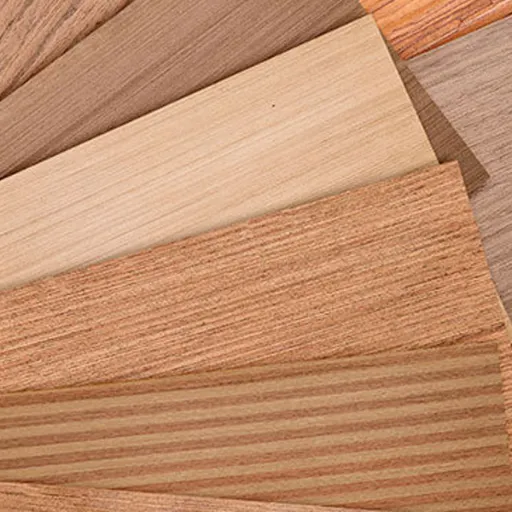
Hardwood Veneer Sheets – Wood Veneer & Custom Wood Panels
In design, wood veneer is among the most preferred materials alongside the combination of functionality and aesthetics. Its flexibility and beauty can be seen in furniture, cabinet making, and building construction. Unfortunately, the custom wood veneer process which is the very important part of the supply chain that provides high-quality and tailor-made solutions for different uses is often misunderstood. The following article is going to highlight the capacities and the details of the custom wood veneer manufacturing process, and will be on the skill, technology, and creativity that change plain wood into marvelous artworks. We are inviting you to follow us while we uncover the connection of this laborious process to nature and design, with precision and artistry, satisfying the unique needs of different projects.
Understanding Custom Veneer
What is Custom Veneer?
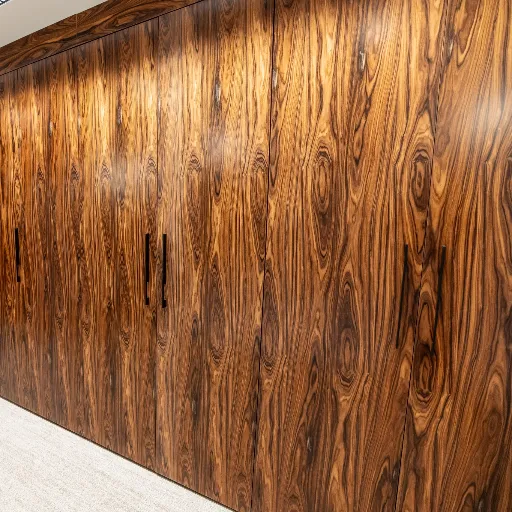
Custom veneer is the type of veneer that is made up of thin sheets of wood that are meticulously cut and shaped to meet exactingly aesthetic and practical requirements. The wood grain, hue, and feel are topmost in the minds of the wood craftsmen when making custom veneers. Therefore, the aforementioned imperfections of the grain are presented in the resulting veneer. With this method, the amount of wood used is the same as well as no loss of the wood’s natural beauty, because the designers and architects get the visuals they want, and with nice finishes made from rough resources, the manufacturers and the industry use less wood.
Veneers are usually made from logs that are of outstanding quality. In the process, the logs are chosen very carefully to get the best and most uniform wood grain. The next step is that the wood is either sliced, peeled, or sawn to a very thin sheet that often measures about 0.5mm to 3mm depending on the eventual application. The precision in this process results in such that custom veneers can not only be easily applied but also fitted onto different substrates like MDF, plywood, or particleboard; hence they are used in making furniture, internal panels, and other decorative applications.
The demand for custom veneers is consistently gaining ground and the eco-friendly aspect being one of the major suppliers besides the luxury ones is the primary cause of this trend. Extensive reports done by the industry have shown the global wood veneer market as a forecasting one worth USD 23.5 billion by 2032 with a regular annual growth of 6.1%. The environmental concern of the design trend has rendered custom wood veneers as the most favored since they utilize the whole wood and at the same time create less waste than solid wood.
Domestic and Exotic Veneers Contrasts
Domestic Veneers:
The domestic veneers are sourced from the autochthonous trees found in North America and Europe. Some of the usual species include oaks, maples, walnuts, cherries, and birches, to mention a few. Such veneers have been getting high praises for their classic and everlasting beauty and also softness in the grain with even patterns. As they are locally available, domestic veneers are cheaper and less harmful to the environment as they are less affected by transportation both in terms of costs and emissions. Red oak veneer is one example, which is favored by manufacturers for its hardness and ease of machining combined with a low cost ranging from $2 to $4 per square foot, depending on the quality.
Exotic Veneers:
Exotic veneers come from trees located in tropical or subtropical regions like Africa, South America, and Southeast Asia. Mahogany, ebony, zebrawood, and teak are some of the species that are exotic not only for being rare but also for their beautiful, detailed, and sometimes strikingly loud grain patterns. Exotic woods are often seen as symbols of luxury and exclusivity, thus the use of their veneers in the production of high-end furniture, cabinetry, and decorative projects. However, the cost will be around $5 to $15 per square foot or more, depending on the rarity and the transportation needs.
Capabilities of Wood Veneer Manufacturing
Custom Veneer Sheet Sizes and Cuts
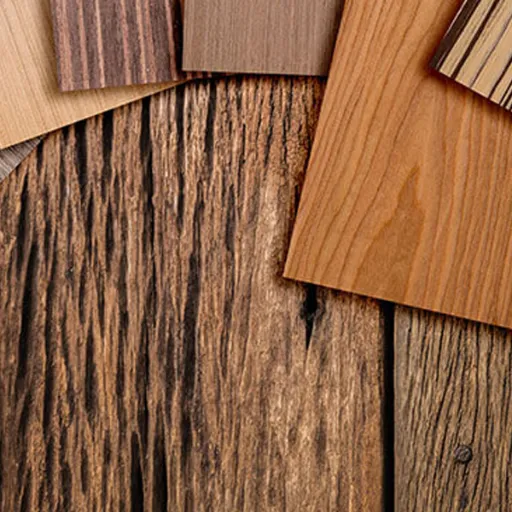
Wood veneer is now manufactured in such a way that it has become a revolution, giving flexibility that cannot be matched in choosing custom sheet sizes and cuts, thus catering to the designers and architects’ personalized projects. Veneer sheets that measure 4′ x 8′ are produced as standard sizes but also there is the possibility of custom sizes that will fit the application perfectly like walls, furniture, and even beautifully crafted designs. Depending on the wood species and the ultimate use, the thickness is normally from 0.5 mm to 2 mm, therefore the customer can enjoy both the desired appearance and a durable product.
The process of cutting is the major factor that influences the looks of the veneer. The cutting methods can be divided into four main types:
Rotary Cut: The wood gets a continuous grain pattern that is wide and very appropriate for using in a rustic and bold way.
Quarter Sawn: Cuts made this way produce a linear and straight grain pattern which invariably corresponds to the modern and elegant aesthetic.
Plain Sliced (or Flat Cut): This is the method that brings out a cathedral-like grain structure that is most suitable for the traditional and decorative applications.
Rift Cut: It is a cut often referred to oak; this one yields a narrow and linear grain that is just right for the modern designs.
Matching Grain and Color for Projects
The ideal design is usually achieved through the painstaking and precise matching of wood veneer grains and colors, thus creating surfaces that blend together. This has slowly but steadily turned out to be a very effective method for designers and architects in giving their projects a uniformly sophisticated appearance. Technology has made significant advancements in the area of flawless grain matching by utilizing extremely accurate pattern analysis and cutting techniques. Furthermore, custom veneers now come in multiple shades, hence allowing one to be innovative while still adhering to the original design.
As per the recent statistics and reports from the industry, around 65 percent or more of the architects and designers categorize grain alignment as the most vital factor while specifying veneers for high-end residential and commercial interiors. Besides, the demand for uniformity has resulted in the creation of laser-guided grain matching processes and dyeing techniques that are coating along with other innovations. In addition, this demand is likely to grow rapidly, especially in the Asia-Pacific region where the latest trends hint at a considerable rise in luxury interior renovations owing to the upcoming housing projects.
The Manufacturing Process of Hardwood Veneer
Harvesting and Preparing Wood Species
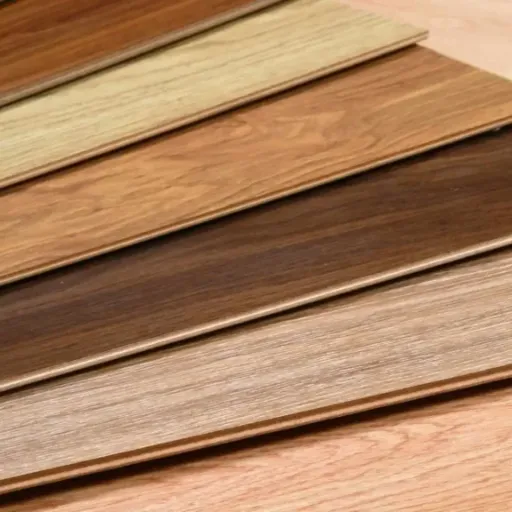
The manufacturing of hardwood veneer is a complex task and it begins with the precise selection and felling of the correct kinds of trees. The most frequent species utilized are oak, maple, cherry, walnut and birch and these are selected due to their various grain patterns and toughness. The tree felling is performed in forests that are under strict control and the aspect of sustainability is one of their main points. Studies on forest management show that over 30% of hardwood veneers are coming from certified forests where sustainability is the norm, thus the ecological impact is almost nil.
Afterwards, the logs are transported to the mills where they will be cut into pieces and treated. Usually logs are placed in hot water or steam for long hours which softens them and thus helps to lower the defects and to increase the possibility of making the log pliable—this is a very crucial step in the production of veneers that are smooth and even. For instance, the research indicates that heating logs at a temperature of 150°F to 212°F for 24 to 48 hours significantly improves the quality of the final cut. After heating, the logs are carefully subjected to the process of bark removal, thus the core for slicing or peeling becomes visible.
Veneer Sheets Cutting Techniques
Rotary Cutting
In this procedure, a log is put on the machine for rotation and gets a cutting edge while rotating. The difference is that the log is actually skinned, yielding a stable, seamless and quite wide piece of veneer simultaneously. This practice being the most prevalent for plywood or decorative panels has the greatest contribution to the wood yield. Oftentimes, the surface of the rotary-cut veneer showcases an incredible grain. The right cutting is very much a matter of cost because of the almost total waste elimination.
Slicing
Slicing a log into smaller blocks or flitches and then perpendicular or parallel to the rings of growth, it means one is taking the log. Cutting methods are mainly made plain (flat), quarter, and rift. Quarter gives a straight, even-grain, which is very much wanted in good quality furniture, while rift produces a lessening grain that is cathedral-free. These techniques are not only oriented towards visual aspects but also aimed at the uniformity of patterns produced.
Half-Round Slicing
This technique is a mix of rotary and plain slicing. The log is slightly off-centered to the blade, thus producing patterns that resemble plain slicing but are broader. Half-round cutting is responsible for the wood passing along with the unique and exaggerated feature grain thus it is sought after for ornamental purposes.
Cost Considerations for Custom Veneer
Budgeting for Custom Plywood Projects
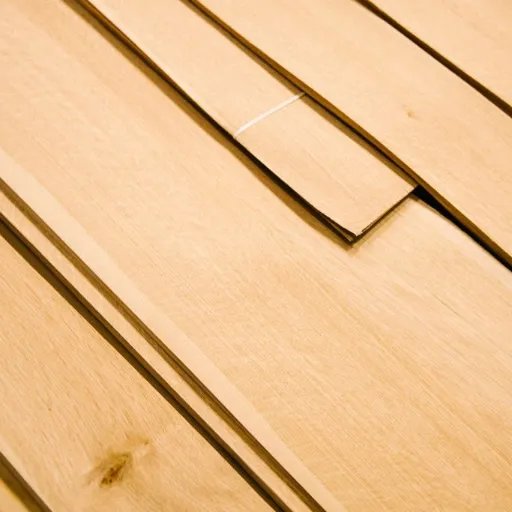
Budgeting for custom plywood projects is always going to be a multifaceted endeavor requiring a skilled planner’s touch. One of the major factors affecting the cost of plywood is the metal used for it, and this can lead to price differences of hundreds of dollars. The price is influenced by the quality of the plywood and the level of customization needed. The plywood sheet prices usually range from $10.00 to $50.00 per sheet according to the wood thickness and grade. However, unusual plywood forms like marine-grade, hardwood veneers, and UV-finished surfaces may cost over $100.00 for one sheet, sometimes even more.
The process of turning ideas into custom designs can greatly raise the costs of different techniques including CNC cutting, laser engraving, and hand-finishing. One needs to be ready to spend no less than $50.00 and possibly up to $150.00 for one hour of CNC routing service, which is predominantly determined by the difficulty of the project. Moreover, if you wish to select a more luxurious wood layer or a high-end veneer, then be prepared to shell out an extra $2.00 to $25.00 per square foot depending on the wood species and its certification.
Quality and Cost in Veneer Selection Have to be Balanced
Choosing good quality veneer that is not too expensive will be a requirement for the project to yield the desired result. The cost considerations, together with the types of wood and finishing, are going to impact both the price and the visual characteristics of the veneers that are sliced from natural wood and come in different grades (high, medium, and low). Premium wood veneers such as walnut or oak will cost between $2.50 and $6.00 per square foot while the more economical ones like birch or maple will be priced around $1.00 per square foot and above.
In case of looking for a low-priced option, then engineered or reconstituted veneers will be the best choice in the market that will cost between $0.70 and $3.50 per square foot. These are not genuine veneers, but they will still be suitable for large projects because they provide consistency in texture and pattern. One should take into account the adhesive cost, backing materials, and finishing treatments which could range from an additional expense of $0.50 to $1.00 per square foot on top of the total cost incurred on veneers.
Benefits of Using Custom Veneer in Design
Enhancing Aesthetics with Hardwood Veneers
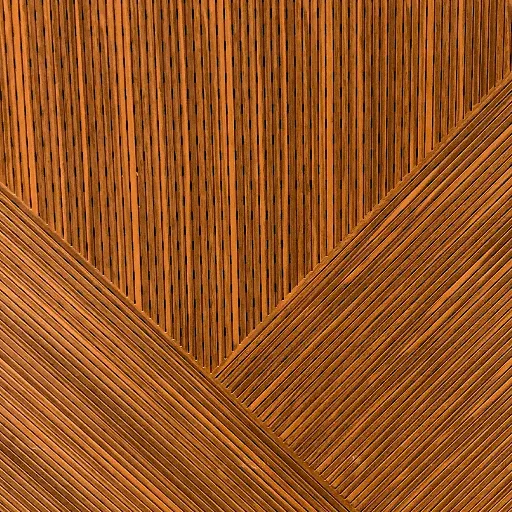
Besides being expensive, hardwood veneers still remain the most elegant and sophisticated interior solution. They are the cheapest among all hardwoods yet still deliver the hardwood natural finish and characteristics that warmth, texture and sophistication are associated with. The modern day woodworking techniques of today make it possible to get the very best out of the timber and at the same time minimize the amount of waste that is produced. The latest report estimates that the global market for wood veneer will increase by 4.1% CAGR between 2023 to 2029 which is an indication of the demand for not only stylish but also eco-friendly materials.
Moreover, hardwood veneers are available in a wide range of species such as oak, cherry, walnut and maple which gives the freedom of choice to different design themes from rustic to modern. The advanced finishing technology now allows creating of unique patterns, staining and gloss levels which will help the veneers to be completely a part of the project. The advantages in durability also come along; if professionally done and maintained, veneers remain unaffected by warping or cracking and the underlying structure remains intact.
Application Versatility of Custom Veneer
The custom veneers have excellent versatility and are thus widely used and liked in many different industries and applications. One of the main interior design where their applications is to beautify cabinetry with wall paneling and furniture. Because of the wide-ranging nature of the veneers, the designers can produce the same high-end looks, like that of exotic hardwoods, at a mere fraction of the cost and impact on the environment. Current market estimates indicate that the global veneer market will grow by 4.3% CAGR over the period from 2023 to 2030, with the main reason being the booming demand coming from residential and commercial projects.
However, not only the aesthetics but in the automotive, aviation and luxury goods production sectors veneers are also being used in new and innovative ways. For example, the interiors of the luxury cars are often equipped with top-quality veneers for dashboard and panel finishing thus creating a perfect blend between art and utility. The aerospace industry is also a similar case where veneers are used in the making of cabin interiors that are both lightweight and premium-looking without the loss of structural integrity.
Reference Sources
-
- Key Findings: This study introduces a laser-cut veneer lamination (LcVL) technique for creating wood-based products. It combines plywood technology with additive manufacturing to produce customized and geometrically complex wood structures.
- Methodology: The LcVL process involves bonding wood veneers layer by layer, enabling the construction of intricate designs.
-
The Application of Traditional Architectural Decorative Art in Modern Architecture
- Key Findings: The study explores the use of wood veneers in modern architecture, emphasizing their role in waterproofing and structural protection while maintaining traditional decorative aesthetics.
- Methodology: The research analyzes architectural projects that integrate traditional veneer techniques with modern design principles.
-
The Pursuit of New Chinese Timber Structure
- Key Findings: The study highlights the use of timber veneers in modern Chinese architecture, blending traditional aesthetics with contemporary structural designs.
- Methodology: Case studies of architectural projects were analyzed, focusing on the use of timber veneers for exterior wall panels and cultural integration.
Frequently Asked Questions (FAQs)
What are the steps of making veneer panels and what is the function of the backer?
Wood veneer panels are made by laminating thin slices of wood (the veneer) onto a robust backer, which is generally made of MDF (medium-density fiberboard), plywood, or an engineered core, resulting in a product that is not only visually appealing but also has good mechanical properties. The backer helps to control moisture and thus the movement, it also shares the drying sequence of the veneers for a coherent grain across the whole surface or even larger areas.
What’s the range of woods that are offered for custom veneers?
There is an extensive range of wood species available for custom veneers, from the most common ones such as white oak, poplar, and beech to the rare and exotic ones like bubinga, padauk, and burl cuts. The variety of collections and stock available is different for each factory, which means that besides the wood’s characteristics being different, the tones, grain patterns, and textures will also be varying to fit the desired design style and technical needs.
What is the impact of veneer faces on the overall look and matching?
The face of the veneers mainly determines the characteristic of the finished piece; that is its grain, color, and figure. In the case of matched panels, the factories will follow a specific sequence for bookmatching or slip matching veneer faces so that the adjacent pieces will have a cohesive look. The choice of the veneer faces is of key importance for the success of a seamless tabletop or furniture collection.
Is it possible to get highly sought-after patterns like burl or a sketch face effect in my custom veneer?
Absolutely. A number of manufacturers provide rare cuts of wood, such as burl, and also offer special treatments like the sketch face to produce stunning and artistic patterns. These techniques may be limited in stock and need careful specification because their one-of-a-kind figure impacts yield and sequencing of veneer panels that are to be produced.