

Wood Veneer Quality Control: Testing Standards and Methods
In various sectors, the use of wood veneer material has very soon confirmed its existence, mainly due to the combination of natural beauty and cost-effectiveness, and thus it has been widely used in furniture design and other applications, such as architectural paneling. However, the quality of wood veneer has to be guaranteed, as otherwise, the whole production cycle would suffer in terms of aesthetics, durability, and functionality. The blog post you are reading now aims to shed light on the quality control measures and the important testing standards and methods applied in wood veneer production. The analysis will be complete, starting from surface texture and concluding with durability measurements.
Understanding Veneer Quality Standards
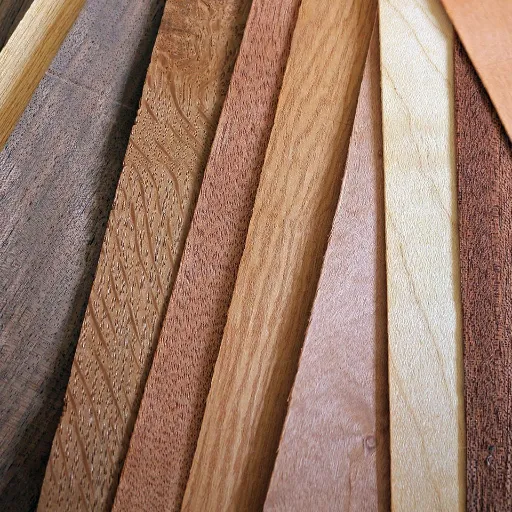
Importance of Veneer Quality Control
Without a doubt, quality control in the veneer industry is one of the most vital as it guarantees not only the requisite visual and functional qualities of the product but that it also meets the requirements of the global markets. The usage of high-quality veneers is also accompanied by the pros of longevity and aesthetic appeal of furniture, cabinets, and interior spaces in general, hence stringent measures during the production process are inevitable. The recent records within the industry indicate that defects in veneers such as uneven thickness, cracking, and discoloration can result in an increase of 20% – 30% in the production cost due to either waste material or rework.
The quality control practice includes monitoring the moisture content of wood and if the moisture content is not at the right level then it will lead to eventual warping or splitting of the wood. Wood veneers are normally seen to have the best moisture content when the relative humidity is between 6% to 8%, this is to allow the wood to be stable in various humidities. Moreover, the surface testing methods that include evaluating gloss level and texture analysis are gradually becoming more sophisticated with the adoption of digital imaging technology enabling the manufacturers to pinpoint the imperfections almost perfectly.
Veneer Grading and the Effect on the Life Span of the Product
Veneer grading plays a crucial role in determining the aesthetics and durability of the end product. The veneers are classified into different grades, A, B, C, and D, where each grade denotes a specific quality, the appearance and the use of that particular veneer.
Grade A Veneers always come with the highest caliber and a faultless surface. These veneers are free of knots, stains, or any other noticeable flaws hence they are primarily used for the manufacture of very professionally made and adorned furniture. The lifespan of the products produced from Grade A veneers can easily reach up to and exceed 100 years due to their remarkable uniformity and durability.
Grade B Veneers are the second tier of good quality and they might be characterized by small flaws that are very hard to detect such as tiny knots and minor shade variations. Nevertheless, these veneers are strong enough for both structural and aesthetic use, are economical, and have a long life span.
Defects like larger knots, cracks, and mismatch of colors are characteristic of Grade C and D Veneers. These grades can never reach the standard of the previous one, hence they will not be accepted in applications that are highly visible. Still, they manage to get their place in the construction industry or as core materials where strength is more important than beauty.
Common Defects and How to Detect Them

Identifying Common Defects in Hardwood Veneer
Splits and Cracks
Splits often happen because the wood was not dried correctly or it was not able to cope with the natural stresses. Cracks can show up as thin lines or parts that have come apart and are more pronounced. A number of studies have shown that manufacturing, especially peeling and slicing, often causes about 15% of the veneer waste due to splits. Consequently, the use of regular visual checks and advanced drying practices will certainly help in a major way.
Knots
The knots are the places in the wood where branches were, and the veneer made from such wood is referred to as having quality issues. A few years ago, smaller sound knots were sometimes seen as good-looking; however, on the other hand, loose or dead knots are still considered a problem. Among all, the digital imaging and ultrasonic scanning are the only non-destructive testing methods that are increasingly being used to detect and classify knots.
Wavy Grain (Buckle)
Wood that has excessive wave pattern or defect will suffer from poor bonding with the substrate. This problem usually occurs due to the stress changes during the cutting of wood into thin sheets. Some information indicates that about 8-12% of such sheets are produced in this manner during the slicing process. It is of utmost importance to constantly and properly manage the tension so that the issue does not arise.
Stains and Discolorations
Mineral streaks or unevenness in sapwood are some of the common reasons for staring or discoloration, which vanish the visual beauty of the veneer. The cause of wood stains and discolorations is primarily the tree’s fungal infection, environmental conditions, or mineral deposits in the tree. For identifying problem sheets and maintaining the quality, infrared scanners and advanced color detection systems are necessary.
Techniques for Veneer Checking
Manual Inspection
Inspectors will be people who rely on their eyesight and touch to sift through the veneers for analysis—most notably, the detection of defects like knots, cracks, and discoloration, unevenness in the veneer thickness, etc. The manual inspection is of great benefit in evaluating the aesthetic elements but it is generally slow and may be subject to human error or the inspector’s personal bias.
Automated Optical Scanning
The optical methods resulting from the automation of the veneer quality control process are very accurate and uniform in the detection of defects. The system comprises high-resolution cameras combined with artificial intelligence (AI) algorithms that can identify swelling of the surface and variation in color. A survey recently conducted found that the use of this technology can speed up the process of defect detection by 40% as compared to the manual method.
Ultrasound Testing
This technique is a method for revealing hidden defects inside the wood that are not visible on the outside surface; such as cavities or weak spots. A scanning device produces ultrasound that goes through the veneer and inconsistencies are depicted in the structure. This is a method that can be used when the veneer must achieve a high level of structural integrity.
Moisture Content Measurement
The moisture content control is the main factor that determines the quality of veneer. The latest moisture meters that use either pin or pinless technology offer water content measurement that guarantees the longevity and stability of the veneer. If improper moisture control is neglected, research has revealed that the number of defects caused by warping or splitting can still be reduced by up to 15 %.
Advanced Techniques in Quality Assessment

Innovative Testing Methods for Wood Veneer
1. Acoustic Testing
The non-destructive testing that is acoustic-based examines and interprets the very sound waves that have passed through the wood veneer. This is done so by detecting the presence of internal defects such as voids, splits, or even variations in density. They can make such judgements on these waves’ characteristics by their frequency and speed. A very recent study has evidenced this technique not only lessens the damage but also detects the defects with a whopping 90% accuracy.
2. Laser Scanning Technology
The laser scanning systems apply precise light beams to map and measure the veneer surface. The devices have the capability of discovering and noting variations and defects 0.01mm thick. Many of the prominent companies have welcomed 3D laser scanning into their manufacturing processes, thus increasing the quality control by 25% and making the production line more efficient. The instant high-resolution scans provide visual data, thus enabling the immediate corrective actions.
3. Artificial Intelligence (AI) Integration
The AI-infused tools are now very much at home in the veneer testing area. They have had their impact through real-time defect detection and predictive maintenance. Machines learning algorithms are analyzing surface patterns and internal structures thereby identifying more than 95% of the possible flaws in the specimen at a great speed. The AI systems are designed to simulate the wood’s performance under varying conditions so that optimum material selection and durability forecasting can be made.
4. Moisture Content Analysis
Moisture content is considered to be the major quality indicator of veneer. Through the use of such modern testing devices as electromagnetic sensors, the moisture levels can be detected with a very high degree of precision thus avoiding spoilage of the veneers from shrinkage, warping, or cracking after production. The modern tools boast about a 30% increase in the accuracy of moisture content measurement over traditional methods.
Utilizing Technology in Veneer Quality Control
Veneer Quality Control by the means of technology has come a long way and the production process has become highly precise and less pollution-generating, very much so due to the advances in technology. One such high-tech example is the use of the vision machine systems together with artificial intelligence (AI) to achieve the same. These systems are already very apt at spotting the surface defects of, e.g. cracks, knots, or variances and still are working with great precision such as being able to accurately identify up to 95% of the defects. This process is not only a means of cutting down on human error but also assures the production of a uniformly high-quality item.
To add to it, Non-Destructive Testing (NDT) techniques like ultrasonic and laser scanning have become absolutely necessary in the production chain. These methods tare the assessments of internal structure and density of veneers without any damage to the material. As per the latest research, laser scanners can attain a measurement accuracy of up to 0.1 mm for the thickness of veneers, thereby significantly reducing the material errors and enhancing the effectiveness of the production process.
The use of Internet of Things (IoT) gadgets for the quality control of veneers is another breakthrough. The inter-connected monitoring systems ensure a steady flow of updates concerning moisture content and temperature throughout drying and pressing procedures. This very technology not only assists in setting the best parameters but also helps in increasing the yield rates of materials by around 25%.
Future Trends in Veneer Quality Control

Emerging Technologies in Veneer Inspection
The veneer industry is almost experiencing a revolution regarding inspection as the latest tools and methods along with gripping of inspection technologies usher in the new era. The synergies of the various technologies namely integrating high-end machine vision systems, AI-driven analysis, and 3D imaging are all to be credited. No doubt these development have had an impact on defect detection in veneer materials making quality control more precise and reliable.
Real-time scanning of the woods through machine vision systems that employ high-resolution cameras and sensors comes to the aid of the transmitting situation of the defects very close to the surface. Detection of even the smallest of the defects such as knots, cracks, or blemish imperfections which might be missed out during manual inspections is possible through these systems. AI, besides bumping up the speed of the whole process, is also making it more reliable. AI models work on the entire data set and unravel the trends as well as foresee the likely complications which cut down the human error rate.
The Flow of Changes in Consumer Preferences and Their Impact
Veneer in the industry is being increasingly less preferred by the customers and the major reason for this is the shift towards the environmentally friendly and thus the incidence of the demand for sustainability. The last two years saw a 40% increase in the interest in “sustainable wood veneers” and “eco-friendly furniture materials” according to Search trends. The modern users prioritize the eco-friendly materials and this trend is imposing on the manufacturers not only environmentally friendly processes but also certified, sustainably managed forests for the wood supply.
Besides that, the customers want more and more variety along with tops in quality surfaces. Personalized designs and luxurious looks have become the features that are increasingly being requested and thereby pushing the veneer manufacturers up to the level of their technological skill to handle the custom orders. The data show that interest in “custom veneer designs” is growing by 25% yearly, meaning that the demand has gone up.
Actionable Steps for Improving Veneer Quality Control
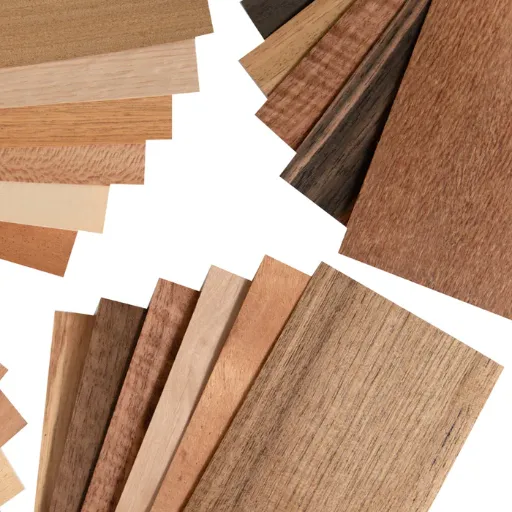
Implementing Best Practices in Your Organization
The enhancement of the evenness of veneer quality is solely a matter of correct practice application in the production and quality control sectors. The data-oriented techniques and the adoption of the latest tools which assure that the output will be of uniform, top-quality have recently gained the prevalence among the top companies. The case of the employment of AI-driven machine vision technology for automated defect detection systems is an example of where the production process can successfully identify and rectify the imperfections with higher precision. A report by Grand View Research in 2023 predicts that the global market of AI in manufacturing will see an increase of 42.2% CAGR by 2030, thereby automation’s contribution to industrial efficiency would also be rising hand in hand with the tech trend’s start.
Sustainable sourcing indeed occupies a central position in this discussion as one of the most significant best practices. The Forest Stewardship Council (FSC) claims that the growing consumer demand for responsibly-sourced timber was behind the 12% rise in 2022-certified wood usage in the veneer sector, thus, the certified woods to be used are still a lot. Companies and consumer segments who are eco-friendly are not only improving their products’ attractiveness to the consumers but also to the tougher regulations on environmental protection.
Quality Control Processes Improvement
The constant enhancement of quality control processes is a must for the veneer industry to retain the high standard and meet the demand of the market. In case an organization has smart systems, it will be able to find out the area of its operation where it has become inefficient and can also correct it instantly. For example, the introduction of automated defect detection systems using machine learning has increased the accuracy of grading veneer to 98%. This not only minimizes the waste of material but also creates a situation in which product quality is consistently assured.
The latest report by an industry analyst suggests that predictive analytics when applied to the production lines can result in a drop of as much as 30% in downtime due to early problem detection and consequently less time consumed for repairs. Also, the manufacturers who have adopted the Six Sigma methodology claim that they can produce 20% more than in the previous period. Training the workers in the correct manner on how to operate the new machines leads to achieving the goal and hence, the process improvement is sustained.
Reference Sources
-
Physical and Mechanical Properties of Laminated Veneer Lumber Manufactured by Poplar Veneer
- Key Findings: This study investigates the impact of heat treatment on the physical and mechanical properties of laminated veneer lumber (LVL) made from poplar veneers. Heat-treated veneers showed improved properties compared to untreated ones.
- Methodology: Veneers were subjected to heat treatment at 180°C for 5 hours before manufacturing LVL. The treated and untreated samples were then compared for mechanical strength and durability.
-
Thermo-Vacuum Modification of Poplar Veneers and Its Quality Control
- Key Findings: The research explores thermo-vacuum modification as a method for upgrading veneer quality. It emphasizes the importance of quality control during the treatment process to ensure consistent product performance.
- Methodology: The study used thermo-vacuum processes to treat poplar veneers and implemented quality control measures to monitor and predict product quality during production.
Frequently Asked Questions (FAQs)
What are the normal wood and veneer types which are commonly used in veneer quality control?
The most common ones are maple, walnut, birch and fir along with numerous softwood and hardwood veneers. Each type of wood presents its own specific traits in terms of heartwood hue, grain pattern and the possibility of checks occurring in the lathe. The programs that are in place for quality control have to deal with the differences in color, grain pattern, moisture content in the veneer, and the number of sheets that can be produced from a log.
How cutting and the type of cut impact the quality control of raw wood veneer?
Veneering is done through rotary cutting, plain slicing, rifting, or quarter slicing. The rotary method results in the production of rotary cut highlights or rotaries (huge continuous sheets) which are the end product; while, plain slicing gives the output of face veneer with distinct patterns. The behavior of thin and thick veneers in relation to moisture is opposite; the rotary cut usually presents broad crown patterns and more color variations, thus the quality control department does continuous monitoring for thickness, lathe checks and the evenness of the grain patterns in the slices of veneer to get them approved for plywood or decorative panels.
What should I learn about wood moisture content and humidity conditions for dependable veneer quality control?
The moisture content of the veneer and the relative humidity at the time of cutting, storage, and panel pressing are very important factors. The veneer could either absorb or give off moisture due to variations in humidity, hence causing movement, warping, or checks. The industry norms lay down the moisture content ranges that are acceptable before the glue spread and cold pressed lamination. The quality control department is required to carry out moisture content measurements, manage the relative humidity of the storage area, and give time for the removal of moisture or acclimatization so that the final product does not lose its stability over time.
In what ways do species differences in veneers affect the selection of adhesives and bonding quality?
The densities, resin contents, and surface chemistries of veneer species affect their glue compatibility. Veneers from hardwoods such as maple and birch might be treated with different adhesives or glue spread rates than those from softwoods. The species that have a higher content of natural oils or resins may either need special adhesive preparation or different cold pressed cycles to be sure of the bond being consistent for plywood, particleboard facings, or furniture panels that meet the specifications and are also cost-effective and durable finished products.
What is the process of veneer matching and how it is related to quality control of furniture panels?
Veneer matching is the process of arranging the sheet of face veneer to make the furniture panels have the same grain patterns or the desired visual effects over them. Quality Control checks for color variation, grain pattern alignment, and veneer matching uniformity among several sheets. Matching affects glue spread, number of sheets used and may require selection for heartwood vs sapwood to minimize visible variability and preserve the unique characteristics customers expect from natural product panels.