
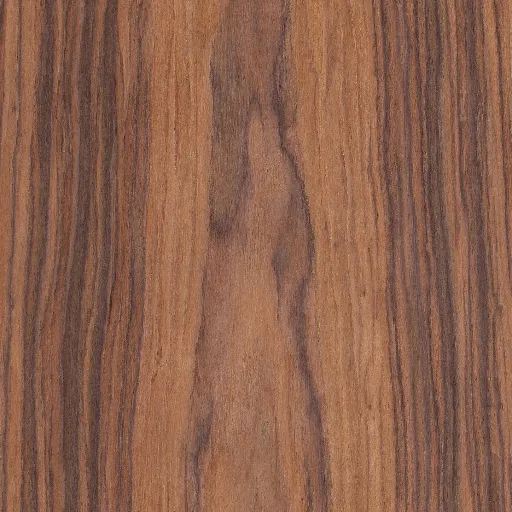
Exotic Wood Veneers: Zebrawood, Ebony, and Rare Species Guide
When it comes to making one-of-a-kind furniture, cabinets, or designs, the choice of materials can play an essential part. Uncommon wood veneers such as zebrawood, ebony, and other not-so-common types deliver beauty, and elegance that is beyond comparison, and they turn regular projects to be nothing less than the artworks of their own. This article is a guide that takes the reader to the very top of these stunning veneers and uncovers their sources, the special features that come with them, and the methods through which they can raise the bar of your design. If you are a woodworker, designer, or just someone who appreciates fine materials, this piece will not only ignite your passion but will also equip you with the necessary knowledge to select the ideal wood veneer that would actualize your vision.
Introduction to Exotic Veneers
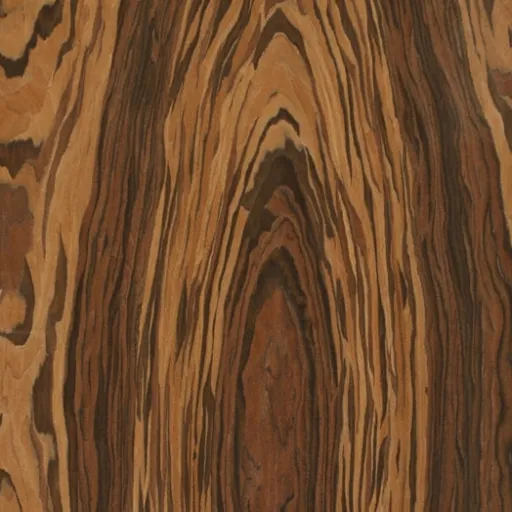
Definition of Exotic Veneers
Exotic veneers are among the most sought-after and at the same time most expensive wood slices from rare and sometimes unique tree species. Their main appeal comes from their characteristic patterns, lively colors, and superb wood support. Such veneers, coming from all parts of the world, are also involved in the making of high-priced furniture, cabinetry, and lavish interiors. The most common woods for exotic veneers are ebony, rosewood, zebrawood, and burlwood, with each offering its particular visual allure that cannot be substituted with regular wood types.
The global veneer market is predicted to grow by 5.2% annually during the years 2023-2030, which indicates the increasing use of high-quality materials in elegant and environmental-friendly designs. Exotic veneers properties like introducing uniqueness and beauty are, in fact, their reasons for being used in different applications and more so making them the centerpiece in custom-made designs. Nevertheless, responsible sourcing and certification, like FSC (Forest Stewardship Council), are gradually becoming the major factors in the realization of sustainability and forest conservation since some species are already getting protected or are at the brink of being endangered.
The Beautiful Side of Exotic Wood Veneers
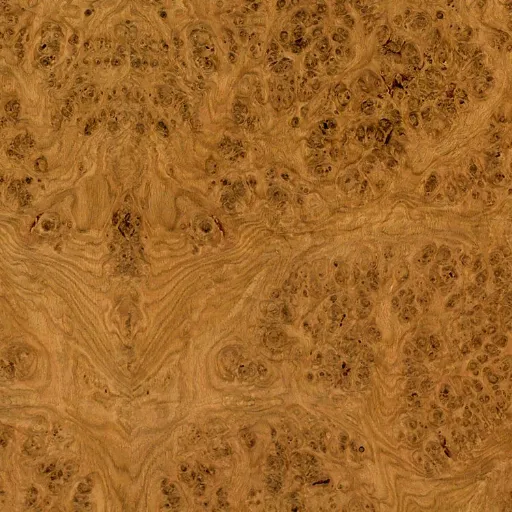
One cannot do anything but surrender to the irresistible force of the exotic wood veneers, and thus they conquer the minds of designers, architects, and craftsmen all over the globe. Their rarity, superior quality, and distinct wood characteristics together create the luxury, which is why they are first choice in the manufacture of high-end furniture, luxury interior, and custom designs. Specimens of ebony, rosewood, and burl maple for instance have been well-known for their complex textures and gorgeous appearances which can elevate the aesthetic appeal of any project considerably.
The latest data indicates a steadily increasing global demand for exotic veneers in the premium furniture market that is projected to reach $30 billion by 2027 and expand at a compound annual growth rate (CAGR) of 4.5% during 2021-2027. This whole scenario is certainly indicating a customer preference that is trending towards the selection of materials that are both luxurious and sophisticated at the same time. The distinctive and intricate craftsmanship that these veneers enable in the case of custom designs is highly valued by the consumers whether such designs are in domestic or commercial spaces.
Types of Exotic Veneers
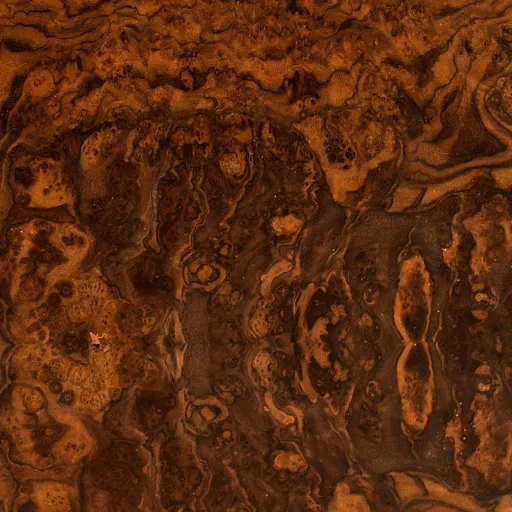
Zebrawood and Its Unique Characteristics
Zebrawood veneer, an extravagant and costly veneer, is expected to have a very high demand and a very tremendous visual effect. It is very easily recognized and separated from others due to its unusually large and expressive grain patterns. The black and brown stripes like a zebra are the ones that have given it the name; they are the ones that run along the stock and hence, make the whole thing look very beautiful and, at the same time, very exotic. This wood is chiefly obtained from West Africa with Gabon and Cameroon being the major countries of origin.
Zebrawood is not only recognized for its distinct look but also hardness and longevity. It is a very tough wood with a Janka hardness rating of approximately 1575 lbf, which is more than maple and other such woods. That is why it finds its application in places with heavy traffic or where it would be used frequently. Due to the wood’s hardness, very careful and delicate milling and finishing can be done to it and that is one of the reasons it is much preferred for veneers, furniture, and decorative paneling.
In addition to that, zebrawood is a wood of high versatility and can be used in any woodwork project. It is not only used for cabinetry, flooring, and luxury car interiors but also for musical instruments. It can be said that the aesthetic appeal of matching the new grain patterns with the contemporary or minimalist designs is thus created by the zebrawood which is still superbly attractive.
Ebony: The Premium Choice
Ebony is that wood which has always been considered one of the most luxurious and high-quality woods in the world. Its dark, dense, and smooth-textured appearance makes it a premium choice for high-end furniture, musical instruments, and interior designs. Very rarely does the absolute black coloration of the wood not get complemented by very fine dark veins and that adds elegance to the wood and to the products made of it.
Ebony wood is scientifically classified as belonging to the genus Diospyros, which means that it comes from tropical areas that were at least Africa, Asia, and India. Among the leading species in trade are African ebony (Diospyros crassiflora) and Makassar ebony (Diospyros celebica). Besides its extreme hardness, which is measured to be 3,220 lbf on the Janka Hardness Scale for African ebony, it is very durable and thus, good looking and strength demands can be met for such kinds of products.
However, the high price of ebony has made its harvesting fast and easy of being a concern to the environment. This has led to some ebony species being classified as endangered by the International Union for Conservation of Nature (IUCN) which, in turn, has resulted in the worldwide demand for more sustainable sourcing. One of the steps that have been taken to protect the ebony population is through certification schemes, such as those run by the Forest Stewardship Council (FSC).
Benefits and Drawbacks of Using Exotic Wood Veneers
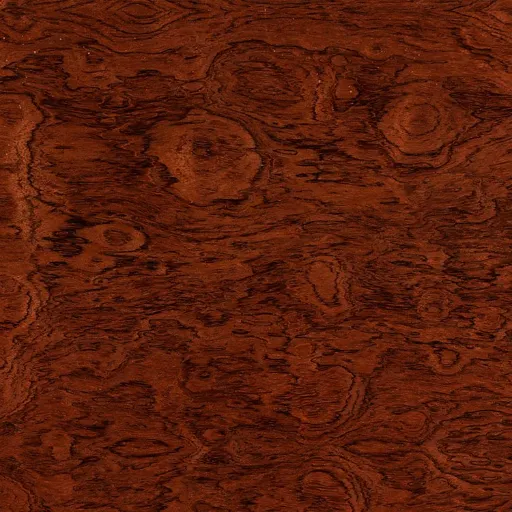
Advantages of Exotic Veneers in Cabinetry
The exotic wood veneers furnish cabinetry with unmatched aesthetic and functional advantages which made them the favorite for luxury interiors and custom furniture solutions. The main benefit is the splendid visual appeal they give to the furniture. The exotic veneers like Macassar Ebony, Bubinga, and Rosewood with their rich, natural colors and complicated grain patterns can easily uplift the overall look of any area while contributing warmth, sophistication and uniqueness to it.
The other important benefit is the sustainable aspect of it. Exotic veneers are less harmful to the environment than hardwood solids since they are composed of thin slices of wood instead of large cuts and hence the use of precious timber resources is maximized and overall waste is reduced. Recent statistics from the industry say that the veneer production can give 30 to 50 times more surface material from the same log when compared with the production of conventional lumber.
Exotic veneers are the best in terms of variety. They can be used on different substrate materials like MDF and plywood, resulting in sturdy yet light-weight cabinetry. The same veneer application process also allows for very intricate design customization which facilitates smooth adaptation to modern, traditional or transitional styles.
Considerations and Drawbacks
Nonetheless, despite the many benefits of exotic wood veneers, there are still certain crucial considerations and drawbacks that one at least has to think about. One of the main problems has to do with durability. In general, it is the case that veneers suffer from less durability-the simple reason being that they consist of a very thin layer of wood which is glued to a panel, making them more likely to be damaged by peeling, chipping, or scratching than solid wood. Similarly, durability becomes a problem when the surface is subjected to heavy use like in the case of kitchen counters or furniture in main traffic outlets.
Another con is that the upkeep of these veneers, which is somewhat painstaking and time-consuming, is not a problem. The sensitivity of these veneers could also be compared to that of a person; just as humidity and temperature fluctuations can pull at a person’s patience so can the situation of warping or even cracking with the wood. Analogously, one should exercise extreme caution when cleaning the surface lest the wood be ruined.
In terms of the environmental impact, the waste produced during veneer production is less than that of solid lumber but it is highly likely that the solvent-borne adhesives and resins that are used in the manufacturing process of wood veneers would still emit VOCs that would lower the indoor air quality. Nonetheless, there have been some market products recently launched which have gained certification indicating they have very low emissions levels, such as UL GREENGUARD certification or CARB compliance.
Sustainable Sourcing Practices for Exotic Veneers
Understanding Sustainable Forestry
Sustainable forestry means that the forests are managed in such a way that they will meet not only the demands of the present generation but also those of the future ones. However, with this management approach, there is no denial or compromise in the areas of biodiversity, ecosystem’s health, and productivity. A single definition that encompasses all the elements is hard to provide; nevertheless it is, in a nutshell, a procedure which integrates diverse goals of ecology, economy, and society into one. The most recent data suggest that forest cover worldwide is approximately 31% of the total land area, whereas the FAO (Food and Agriculture Organization) indicates that 10 million hectares of forest are cleared annually.
Tree planting, selective logging, and adherence to environment-friendly regulations are some of the key measures employed in sustainable forestry. Timber and veneer products coming from these forests also certified by organizations like FSC (Forest Stewardship Council) and PEFC (Program for the Endorsement of Forest Certification) are considered to be of the highest quality. For instance, the forests that are regulated by FSC guarantee that thelogged timber meets strict environmental and social criteria.
Certifications and Standards to Look For
Certifications and standards play a vital role in the selection of wood products as they are the primary markers of sustainability and ethical practices in the forest sector. The most recognized certification is that of the Forest Stewardship Council (FSC). FSC certification confirms that the wood is sourced from eco-friendly and socially responsible forest operations. There are over 225 million hectares of FSC certified forests around the world that are engaged in biodiversity conservation efforts and have a strict no illegal logging policy.
PEFC (Programme for the Endorsement of Forest Certification) is another prominent certification. This global body advocates for sustainable forestry and the use of a universally accepted standard for forest certification it covers an area of about 330 million hectares worldwide. It also promotes local participation in forest management and adjusts the methods to the specific ecosystem.
Current Design Trends in Woodworking
Integration of Exotic Veneers in Modern Interiors
The integration of luxurious veneers into the interior design has now reached its peak and the luxury sector is already getting accustomed to it. Coming from the most exclusive hardwoods, such as Ebony, Rosewood, and Teak, the extravagant veneers are the only ones that confer a magnificent visual impression to the furnishings, cabinetry, and wall panels. Their natural grain patterns, vivid colors, and incomparable textures have made them the most preferred choice of architects and designers who want to create expensive and luxurious spaces.
Recent market analysis reveals that the usage of exotic veneers is continuously growing and the luxury interior segment is displaying a yearly growth rate of about 4-5% in the market. Countries that have great expertise in veneer production like Italy, Germany, and Japan are the pioneers in eco-friendly manufacturing. They are producing veneers that are so dense that they can bear the scars of time while at the same time maintaining their vintage appearance.
Trends and Finishing Types
Among different types of exotic veneers, the up-market veneers stand out because of their strains and finishes that can meet the needs and aesthetics of various owners. The high-gloss finish is the very popular one for modern and elegant looking kitchens. On the other hand, the matte finishes attract more quietly and sophisticatedly and hence they are the most demanded in minimalist and Scandinavian-style décors. Besides, the textured veneers that mimic the original grain and texture of the wood are also capturing the market because of their ability to make the interiors look deeper and more tactile.
The market studies show that walnut and oak veneers are still very much in favor with the customers and walnut veneers alone command about 35% share of the premium furniture market. In addition, engineered wood veneers are widely preferred and demanded for their durability and uniformity required in commercial interiors like office and retail Display areas. Moreover, decorative patterns of geometric and herringbone styles that combine craftsmanship with contemporary design are also getting popular.
Reference Sources
-
Persistence Market Research: This report highlights the global veneer sheets market, projected to grow from USD 20.8 billion in 2025 to USD 31.9 billion by 2032. It provides insights into market trends and growth potential. Source link
-
Future Market Insights: This source discusses the veneer sheets market, expected to grow from USD 26.4 billion in 2025 to USD 38.0 billion by 2035, with a CAGR of 3.7%. It includes trends and applications relevant to exotic veneers. Source link
-
Zion Market Research: This report provides an analysis of the veneer sheets market, valued at USD 23.81 billion in 2024 and projected to reach USD 36.47 billion by 2035. It offers insights into market dynamics and applications. Source link
Frequently Asked Questions (FAQs)
what criteria should be considered so as to choose delicate wood veneers like oak, wenge or teak for my undertaking?
Selecting a delicate veneer for a project is first determined by its final use, i.e. furniture, architectural wall coverings, or cabinetry, and also by the factors such as durability, grain, and the colors of the heartwood area. Oak and teak provide good strength and are commonly used in places where resistance to water is necessary, while wenge and bubinga are more suited for very bold design concepts and give huge dark streaks and contrast. Take into account using samples and flitch matching whereby the wood veneer sheets would be similar in grain and color; ask your shop for inventory or sample sheets to help you compare birds eye, fiddleback, curly, or zebra patterns and also to see golden brown, light brown, or medium brown tones under your intended stain or dye.
how can I measure up to compare santos rosewood, bubinga, padauk, and afromosia?
Every species has its own features: santos rosewood is the one with the biggest chocolate brown color plus black streaks that are hard to overlook, bubinga gives red or purple tints and strong figuring, padauk brings with it the heartwood that goes from orange to red and often becomes darker with age, and afromosia is the one that is golden brown and stable like teak and also known as a good-looking substitute. Let the wood veneer sheets speak for themselves in terms of grain patterns (pommele, fiddleback, or streaky), and for that, it would be better to request samples and take into account how stains or dyes will be when interacting with the heartwood and sapwood when planning finishing.
what are the prerequisites of a veneer shop or supplier I should consider before purchasing their products?
The first thing you should look into in a shop is whether it provides obvious and comprehensible stock lists and the other facilities like flitch matching and real wood samples and documentations of the species and the grading. Responsible suppliers will inform about glue compatibility in case of working with vacuum press, the edge banding options, and whether veneers have been sliced, quartered, or rotary. Make sure to ask for the sample return policies, inquire about environmentally friendly sourcing, and find out if they have architectural-grade or wood veneer products suitable for your woodworker or contractor needs that are not suitable for your woodworker or contractor needs.
are exotic wood veneers compatible with vacuum presses, and which glue would be the best?
Using a vacuum press is the best way when it comes to providing equal pressure across all those large panels and complicated curves especially if the veneers are of a curly or fiddleback type. You can use adhesives that come with wood veneer product recommendations, for instance, urea-formaldehyde for interior panels or aliphatic resin (PVA) for strength and ease of use; while for bendy lamination, contact adhesives may be the right choice. If clamping is needed during the initial tack, make sure that it is done correctly, and also check that your vacuum press setup is such that it controls both pressure and vacuum so that veneer squeezing or glue bleed does not occur.