
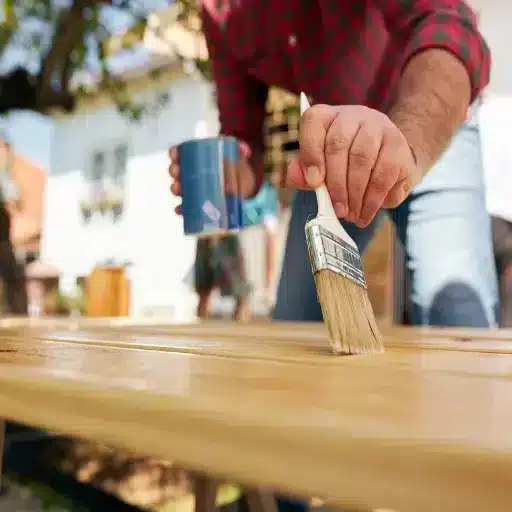
How Long Does Wood Stain Take to Dry? A Complete Drying & Curing Guide
How long does wood stain take to dry? Most wood stains are dry to the touch in 1 to 24 hours, but the full curing time can range from a few hours for fast-drying water-based formulas to 30 days for thick gel stains. The exact timing depends on the stain type, the wood species, and the temperature and humidity in your workspace.
If you’ve ever finished staining a beautiful oak tabletop only to find it still tacky the next morning, you already know the waiting game can be frustrating. The good news is that drying time isn’t a mystery. Once you understand how each stain behaves and what conditions speed up or slow down the process, you can plan your project with confidence.
In this guide, you’ll learn the real drying and curing times for water-based, oil-based, gel, and fast-drying stains. You’ll also get practical tips for testing dryness, fixing sticky finishes, and protecting your work from rain or premature use. For the complete wood staining workflow, start with our How to Stain Wood Pillars guide.
Key Takeaways
- Water-based stains dry to the touch in 1-4 hours and are ready for polyurethane in 2-6 hours; oil-based stains need 8-12 hours to touch and 24-48 hours before sealing.
- Gel stains are the slowest, often needing 24-48 hours to dry and up to 30 days to fully cure.
- Ideal drying conditions are 70°F-75°F with 35%-50% relative humidity, good airflow, and thin, even coats.
- Pine and other softwoods absorb more stain and can stay tacky longer than dense hardwoods like maple or oak.
- If your stain feels sticky after 24 hours, wipe off excess, improve ventilation, or gently warm the space before applying a topcoat.
Quick Reference: Wood Stain Drying Times by Type
Use this table as your at-a-glance guide. Always check the manufacturer’s label first, because specific products can vary.
| Stain Type | Dry to the touch | Recoat Time | Before Polyurethane | Full Cure |
|---|---|---|---|---|
| Water-based | 1-4 hours | 1-2 hours | 2-6 hours (24 hours best) | 24-48 hours |
| Oil-based | 8-12 hours | 24+ hours | 24-48 hours | 48-72 hours |
| Gel stain | 24-48 hours | 8-72+ hours | 24+ hours | 7-30 days |
| Fast-drying / hybrid | 30 min-2 hours | 1-2 hours | 2-4 hours | 2-24 hours |
These ranges assume indoor application at moderate temperature and humidity. Outdoor decks and fences often face wider swings in conditions, which can push drying times toward the longer end of each range.
Drying vs. Curing: Why the Difference Matters
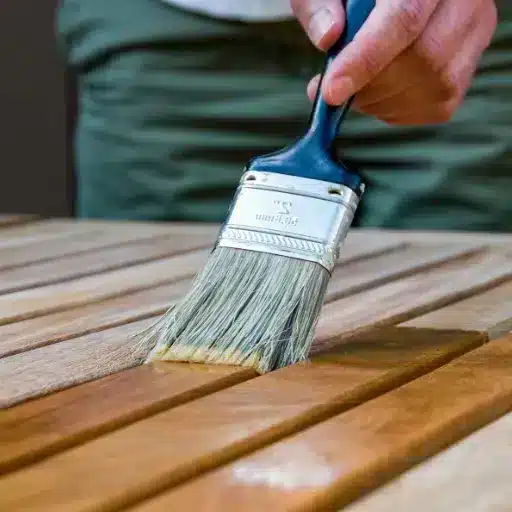
Many DIYers use “dry” and “cured” interchangeably, but they mean different things. Understanding the distinction helps you avoid the two most common staining mistakes: recoating too soon and trapping a tacky layer under polyurethane.
Dry to the touch means the solvents or water carriers on the surface have evaporated enough that the stain no longer feels wet. This can happen quickly, especially with water-based products.
Recoat-ready means the stain has hardened enough to accept another coat without reactivating or lifting the first layer.
Fully cured means the stain has hardened all the way through and bonded with the wood fibers. At this stage, it’s safe for heavy use, sealing, or placing furniture on the surface.
Think of it like paint on a wall. It might feel dry after an hour, but pressing against it or hanging a picture too soon can leave marks. The same principle applies to stain. Rushing to a topcoat before the stain is ready is a fast way to create a finish that peels, bubbles, or stays gummy for weeks.
How Long Does Each Type of Wood Stain Take to Dry?
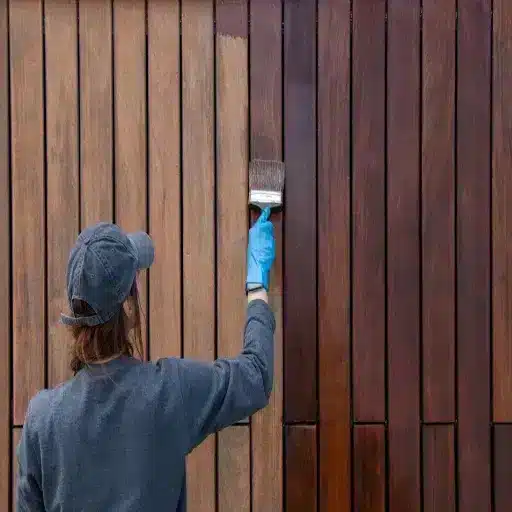
The chemistry inside the can has the biggest influence on your timeline. Here is what to expect from each major category.
Water-Based Stains
Water-based stains dry fastest because their carrier is water, which evaporates quickly. Most formulas are dry to the touch in 1-4 hours, and some fast-drying versions reach that point in under an hour. They also have lower odor and lower VOC emissions, which makes them a popular choice for interior furniture, cabinets, and any workspace with limited ventilation.
The trade-off is that water-based stains can raise the grain of the wood, leaving a slightly rough texture. A light sanding between coats solves this. Because they dry so quickly, you’ll need to work in smaller sections and wipe off excess promptly to avoid lap marks.
Oil-Based Stains
Oil-based stains penetrate deeply and tend to produce richer, more uniform color than water-based alternatives. Their carrier is usually mineral spirits or a similar solvent, which evaporates much more slowly than water. Expect 8-12 hours before the surface feels dry, and wait 24-48 hours before applying polyurethane.
Temperature matters enormously with oil-based products. Below 65°F, evaporation slows dramatically. Below 50°F, the stain may not dry properly at all. If you can still smell strong solvent fumes, the stain isn’t ready for a topcoat. Many pros plan for an overnight dry time with oil-based stains, even when the label suggests a shorter window.
Gel Stains
Gel stains are thick and sit on top of the wood rather than soaking deep into the pores. This makes them forgiving on blotchy woods like pine, birch, and maple, but it also means they take the longest to dry. Most gel stains need 24-48 hours before they feel dry, and full curing can take 7-30 days, depending on coat thickness and conditions.
Because gel stains dry slowly, they’re ideal for vertical surfaces where drips are a concern. You have more working time to blend edges and correct mistakes. Just be patient. Applying a sealer over gel stain too early can lock in a soft, vulnerable layer.
Fast-Drying and Hybrid Stains
Fast-drying stains use modified resins or hybrid chemistry to speed up both drying and curing. Some water-based fast-dry formulas are ready for a topcoat in 2-4 hours, while certain one-coat products claim recoat times as short as one hour. These are excellent when you need to finish a project in a single day, but they require quick, confident application.
Hybrid stains, which combine water cleanup with oil-like penetration, typically fall somewhere between water-based and oil-based timelines. They offer a middle ground for woodworkers who want faster results without sacrificing depth of color.
7 Factors That Affect Wood Stain Drying Time

Stain labels list ideal conditions, but real workshops and outdoor job sites rarely match a laboratory. Here are the seven factors that most often change your actual drying time.
- Temperature. Most stains dry best between 70°F and 75°F. Cold air slows evaporation; hot air can cause the surface to skin over before the underlying stain dries.
- Humidity. Relative humidity between 35% and 50% is ideal. Above 70%, water-based stains in particular can take several extra hours to dry.
- Airflow and ventilation. Gentle air movement speeds drying, but strong drafts can blow dust onto the wet surface. A fan on low speed is usually enough.
- Wood species and moisture content. Softwoods like pine absorb more stain and hold solvents longer. Dense hardwoods like maple dry faster on the surface but can reject stain if the grain is closed. Wood with high internal moisture also slows drying.
- Application thickness. A heavy coat or puddled stain will stay tacky much longer than a thin, even application. Wiping off excess within 5-15 minutes is one of the best habits you can build.
- Stain color and pigment load. Darker stains often contain more pigment and binder, which can extend drying time slightly compared to lighter, more transparent formulas.
- Indoor vs. outdoor exposure. Outdoor projects face dew, temperature swings, and direct sun. Even after surface drying, exterior stain usually needs 24-72 hours of stable weather before it is fully protected.
When Marcus refinished his dining chairs last spring, he thought leaving the garage door open would help the stain dry faster. Instead, a cool evening breeze dropped the temperature below 60°F, and his oil-based stain was still tacky 36 hours later. A small space heater and a fan on low speed got the project back on track within a few hours. His takeaway: temperature control beats open air alone.
How to Tell If Your Stain Is Fully Dry
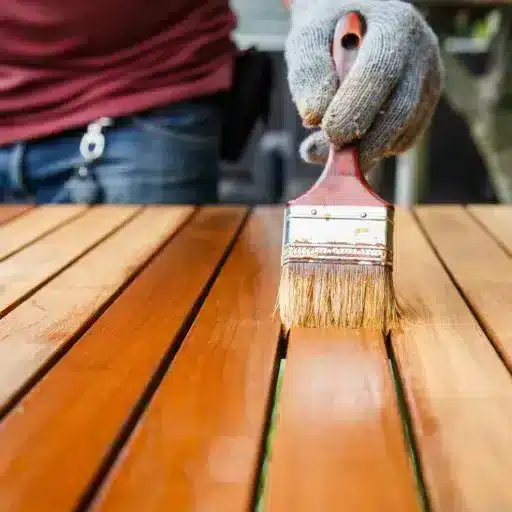
The label is a starting point, but your senses are the final judge. Use these simple tests before moving to the next step.
Touch test. Lightly press a fingertip to an inconspicuous area. It should feel smooth and dry, not cool or sticky.
Cloth transfer test. Press a clean white cloth against the surface and check for color transfer. If any stain rubs off, wait longer.
Smell test. Oil-based stains release solvent odors until they are fully dry. If you still smell strong fumes, the solvents have not fully evaporated.
Visual check. The surface should look uniform, with no glossy or wet-looking patches. A slight sheen often means the stain is still releasing its carrier.
If any test fails, give the project more time. In most cases, an extra 12-24 hours of patience costs nothing compared to stripping and redoing a botched finish.
How Long Should the Stain Dry Before Polyurethane?
This is the question that follows drying time most often. The short answer depends on the stain chemistry:
| Stain Type | Minimum Before Polyurethane | Safer Wait Time |
|---|---|---|
| Water-based | 2-6 hours | 24 hours |
| Oil-based | 24 hours | 24-48 hours |
| Gel | 24 hours | 24-72+ hours |
Applying polyurethane over a stain that isn’t fully dry can cause clouding, bubbling, or a finish that never fully hardens. If you’re unsure, extend the wait time. For more details on choosing and applying a protective finish, read our guide on how to seal stained wood.
When Lisa built her first bookshelf, she applied polyurethane eight hours after staining because the surface felt dry. Within a week, the finish started peeling in spots where the underlying oil-based stain had still been releasing solvents. She sanded those areas back to bare wood, restained, and waited a full two days before sealing. The second attempt held up perfectly.
How Long Before Rain, Foot Traffic, or Furniture?
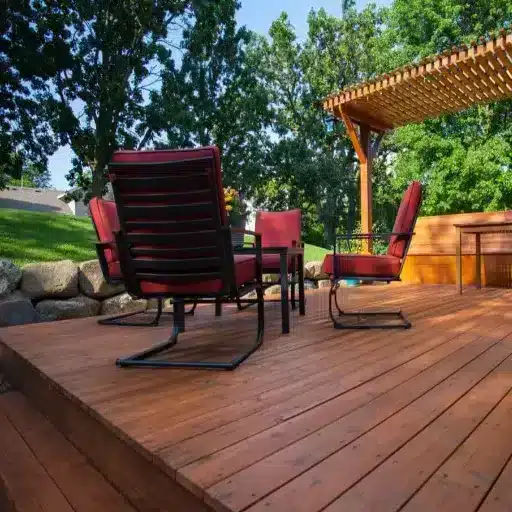
Project type also affects how long you should wait before returning the piece to normal use.
Before the rain on decks and fences. Allow at least 24 hours of dry weather for water-based stains and 24-48 hours for oil-based products. Light rain on a fresh stain can cause water spots, milky film, or premature peeling. If the forecast is uncertain, wait for a better window. Olympic’s stain-drying guide covers exterior-specific timing in more detail.
Before walking on a deck. Water-based deck stains are usually ready for light foot traffic in 4-6 hours. Oil-based deck stains need 24-48 hours before they can handle regular use.
Before replacing furniture. Wait until the stain is fully cured, not just dry to the touch. For oil-based interior stains, that means 48-72 hours. For gel stains, it can be a week or longer.
Before stacking or wrapping. Freshly stained boards shouldn’t be stacked face-to-face until fully cured. Otherwise, they can stick together and mar the finish.
Why Is My Wood Stain Not Drying? (And How to Fix It)
A sticky or slow-drying stain is one of the most common finishing headaches. Here’s how to diagnose and fix the problem.
| Problem | Likely Cause | Quick Fix |
|---|---|---|
| Still tacky after 24 hours | High humidity | Run a dehumidifier or wait for drier weather |
| Stain feels cold or wet | Low temperature | Warm the space above 65°F with a space heater |
| Surface is glossy or thick | Excess stain left on wood | Wipe with mineral spirits (oil-based) or water (water-based) |
| Strong fumes won’t fade | Poor ventilation | Open windows or run a fan on low speed |
| Dense wood won’t absorb | Closed grain or resin | Wipe with solvent and allow extra dry time |
If the stain is still tacky after 48 hours and none of these fixes help, you may need to strip the surface and start over. The Spruce’s stain drying troubleshooting guide offers additional perspective on common drying problems.
Tips to Make Wood Stain Dry Faster
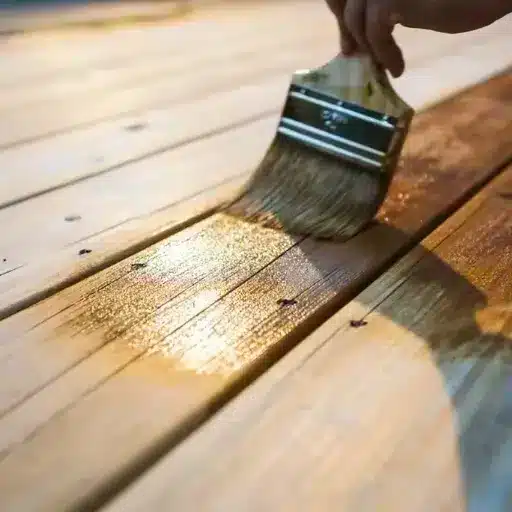
Sometimes you simply can’t wait the full recommended time. These strategies can safely speed up the process without ruining the finish.
- Work in ideal conditions. Aim for 70°F-75°F with 35%-50% humidity.
- Apply thin coats. Less material on the surface means faster evaporation.
- Wipe excess promptly. Set a timer for 5-15 minutes after application.
- Improve airflow. A fan on low speed can cut hours off drying time.
- Use a fast-drying formula. Water-based and hybrid stains are your best bet for same-day sealing.
- Warm the space, not the wood. Space heaters help; heat guns or hair dryers can scorch or blister the finish.
For the best application technique that also promotes even drying, see our article on wood stain application basics.
Frequently Asked Questions
How long does wood stain take to dry on pine?
Pine is a softwood that absorbs stain unevenly and can stay tacky longer than hardwoods. Oil-based stain on pine may need 18-24 hours or more before it feels dry. Using a pre-stain wood conditioner helps control absorption and can lead to more predictable drying.
Can I apply a second coat of stain the same day?
Only with fast-drying water-based or hybrid stains. Most oil-based stains need at least 24 hours between coats, and gel stains often need 24-72 hours. If the first coat is still glossy or tacky, do not apply another coat yet.
What happens if it rains on freshly stained wood?
Rain can cause blotches, water spots, or a milky film. For water-based exterior stains, light rain within a few hours may ruin the finish. For oil-based stains, rain within 12-24 hours can still cause damage. Always check the forecast and allow 24-48 hours of dry weather when possible.
Can I speed up drying with a hair dryer?
It isn’t recommended. Concentrated heat can dry the surface too quickly while trapping solvents underneath, leading to a soft or bubbled finish. Use gentle, indirect warmth and airflow instead.
How long should I wait before sealing stained wood?
Wait until the stain is dry to the touch and no longer transfers to a cloth. For water-based stains, this is usually 2-6 hours. For oil-based stains, wait 24-48 hours. For gel stains, wait at least 24 hours, and sometimes several days.
Does the stain need to be fully cured before use?
For light handling, dry to the touch is enough. For heavy use, placing furniture, or stacking pieces, wait for the full cure. That can be 24-48 hours for water-based stains, 48-72 hours for oil-based stains, and up to 30 days for gel stains.
Conclusion
How long wood stain takes to dry depends on more than just the label on the can. Water-based stains can be ready in hours, oil-based stains usually need a day or two, and gel stains can take days or weeks to fully cure. Temperature, humidity, wood species, and how thickly you apply the stain all push those numbers up or down.
The best approach is simple: give the stain the time and conditions it needs, test dryness before sealing, and don’t rush to polyurethane. A little patience at this stage saves you from sanding, stripping, and starting over later.
At VitalWood Global, we believe that a great finish starts with great wood. Whether you’re building furniture, refinishing a deck, or selecting materials for a commercial project, our sustainably sourced wood products give you a reliable foundation for results that last. Explore our how to stain wood pillar guide for the full finishing workflow.