
Digital Printing on Wood Veneer: Technology and Applications
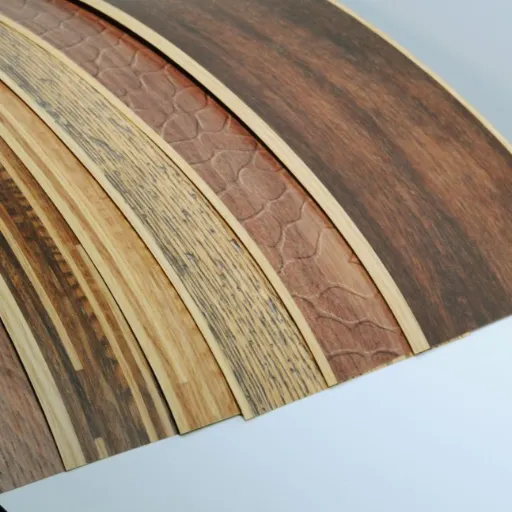
Digital printing on wood veneer is an amazing blend of old-school skill and new-age technology. This state-of-the-art method makes it possible to print very detailed patterns, bright colors, and even pictures of the same quality as photographs directly on the surface of the wood, thereby giving rise to a myriad of new ideas. To put it differently, if you are a designer wanting to create unique pieces of furniture, an architect wanting to give interior spaces a special look, or a producer who wants eco-friendly materials with high aesthetic value, this modern technique is giving a new direction to wood-based materials. The paper will look at the procedure used for digital printing on wood veneer, its areas of application, and lots of advantages it brings. Get ready to learn about a new method that not only brings back the classic beauty of wood but also allows for the full range of digital design possibilities.
Understanding Veneer and Its Applications
What is Wood Veneer?
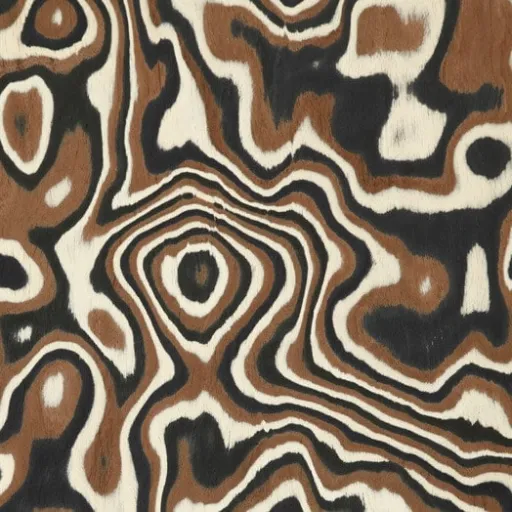
Wood veneer is derived from genuine wood, but it is a thin slice with a maximum thickness of 1/8 inch. The core material or substrate that this thin slice is glued to can be plywood, particle board, or MDF (medium-density fiberboard). The application of the technique is such that the beauty and texture of solid wood are revealed, with the use of a smaller amount of raw material, hence making it a cost-effective and less harmful option to the environment. Wood veneers find their way mostly into furniture, wall coverings, cabinetry, and surfaces that portray the aura of being high-end and luxurious.
The main thing that differentiates wood veneer from solid wood is its grain pattern and surface treatment which would be like the one for natural wood, but at the same time, the veneer would be light and versatile. Current statistics from the wood industry indicate that the worldwide market for veneers is likely to experience an annual growth rate of over 4% and therefore by the close of the decade that ends in 2030; the market size is expected to be around $3 billion. The upsurge in the demand for green materials along with the aesthetic appeal of the materials in both residential and commercial spaces is the main reason for the growth.
Common Applications of Digital Printing on Wood Veneer
Interior Wall Paneling
One of the favorite options for wall covering and decorative paneling is digital prints on wood veneers. It is excellent for the home and the office, and it is less costly but still gives a solid wood paneling look which is its major selling point. The custom prints can be in the form of geometric patterns or high-resolution images and can give a look that is very modern and premium.
Flooring and Ceiling Application
Additionally, the brilliancy of the printed veneer technology has extended to the flooring and ceiling designs where various wood looks and/or custom patterns can be applied. The versatility of digital technology in creating very fine details is what makes the high-end appearance of an environmentally friendly and sustainable process possible.
Retail and Branding Solutions
Digital printing on wood veneer is one way to go towards retail environments having the advantage of existing unique and specific brand décor. It is possible now not only at the level of countertops, display shelves, and signage, but also logos, brand colors, and promo art integration can be done easily. From the latest available data, it is evident that the retail space is increasingly implementing such tactics with the aim of enhancing customer experience and brand visibility.
Benefits of Digital Printing on Wood Veneer
Enhanced Aesthetics Through Printing
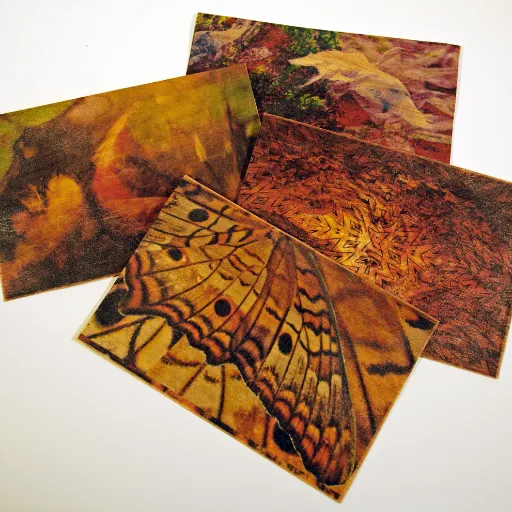
Digital printing on wood veneer has the upper hand for its accuracy and versatility over the other methods, as it can do very elaborate designs, textures, and most importantly, the natural wood grains. This flexibility has its perks in that the designers and the manufacturers can fast and easily copy the expensive or rare wood species using low-quality but sustainable materials, so the production cost is reduced a lot along with the environmental impact. According to the above statistics, the global market for wood veneer products that are printed digitally is projected to grow at an annual rate (CAGR) of 6.5% from 2023 to 2030, and the main factor driving this growth will be the increased demand for interior design and furniture.
Using top-notch methods like UV-curable inks coupled with high-resolution printing technology ensures production of not just very vivacious colors but also somewhat durable ones that will neither fade nor wear off. Being able to customize a product in so many different ways is one of the main reasons why digital printing is thought to be an attractive choice for luxury interior design, retail spaces that have a brand’s signature, and even home décor that is personalized. To add to this, the industry is undergoing a transformation as they become more and more ecologically friendly by using less harmful materials and generating less waste through the efficient processing of their ecological practices.
Cost-Effectiveness of Printed Veneer Solutions
Printed veneer solutions are very cost-effective when compared to the use of traditional materials, giving the same quality and aesthetics as the latter. The whole process of printed veneers is so that it utilizes fewer raw materials and produces less waste and hence, the cost is reduced a lot. It is estimated by the industry that moving to printed veneers instead of natural wood panels can lead to a savings of up to 30% for businesses, with the savings being generated from the recycling of material costs and the reduction of labor requirements in the estate manufacturing process.
Furthermore, the digital printing technology has reached a point where the quality of printed goods can be bulk produced without any compromise; this is accomplished through the elimination of manual interventions and hence the output is increased in terms of efficiency. The precision in measurement results in the production of fewer defective items, thus the costs related to material wastage or rework are reduced. At the same time, logistics costs are often lowered as printed veneers are lighter and easier to transport than the conventional ones.
Popular Uses of Printed Veneer in Various Industries
Furniture Design and Production
The introduction of printed veneer has profoundly transformed the furniture design and production process. It has not only provided a wider range of options but also rendered the process easier and more affordable. Manufacturers have started using printed veneer to recreate the appearance of premium materials such as oak, walnut, and marble, though these are expensive and not eco-friendly when the natural resources are taken. The printed veneer market is witnessing a 6.2% CAGR growth from 2023 to 2030 primarily driven by the consumers’ and designers’ unfaltering demand for caring and attractive earth-friendly design solutions.
Another reason that led to the success of printed veneer in the furniture manufacturing sector has been the creative possibilities in product variation. Besides, manufacturers can create very intricate patterns and textures that correspond to various consumer preferences through the application of modern printing technology. For example, the designers of custom-made furniture with printed veneers can either cover up or highlight beautiful wood grain or even have a smooth surface at a very low cost when compared to the cost of the precious material. This feature of printed veneers actually serves both owners and companies in meeting the demand for customized furniture that is of the same material costs and the like.
Artistic Applications and Creative Projects
Custom Art Installations
Printed veneer is a leading material in custom art installations. The surface of the printed veneer can be adjusted to the artist’s needs and to reflect various styles such as abstract, cultural, or even the artist’s own images. Through the use of digital printing and the softening of the natural elegance of wood grains, each installation wears a dual cloak of classic and modern euphony, making them the ideal ‘guests’ in art galleries, museums, and public areas.
Branding and Merchandising
Companies print veneers to create one-of-a-kind and eco-friendly branding avenues. It is not only packaging but also promotional items and signage that would be made from printed veneer and hence would be in compliance with the sustainability trends, making the brands’ identity stronger.
Craft and Hobby Projects
The craft and hobby communities value printed veneers for their versatility and user-friendliness. Lasers and CNC machines are some of the ways that can enable the designer and maker of such things as intricate puzzles, sculptures, or ornaments to work with them. Craft and DIY materials printed by companies like Pinterest in 2023 have reported a 35% increase in searches for “wood veneer craft ideas,” indicating that this material is becoming more popular in the DIY community.
Tips for Choosing Quality Printed Veneer Products
Factors to Consider in Veneer Selection
Material Type and Quality
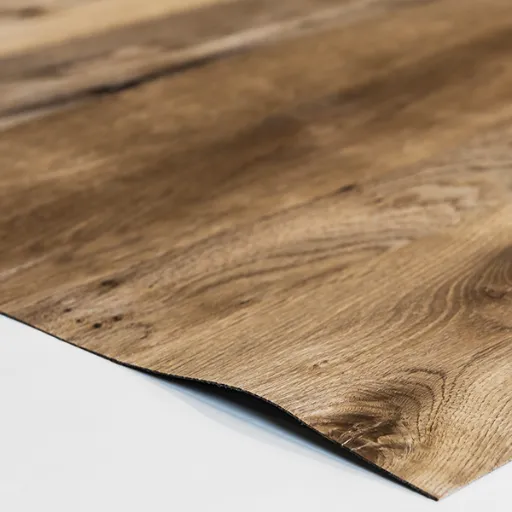
The primary materials used for the production of veneers are either natural wood or engineered substances. The natural wood veneer brings with it the reality of appearance and the play of lines, while the engineered ones are less varied and less expensive. If durability and beauty are your biggest concerns, then choose products made of hardwood like oak, cherry, or walnut.
Thickness of the Veneer
Thickness of veneer has a great effect on the durability and ease of application of the sheet. Standard veneers are 0.5mm to 4mm thick. Veneers nearing thickness of 4mm are more capable of withstanding heavy usage because of their non-peeling quality, and they can be refinished several times.
Adhesives and Backing Materials
Using eco-friendly and strong adhesives is the key to getting a strong bond and reducing the impact on the environment. The majority of the manufacturers have already switched to the use of formaldehyde-free adhesives, and thus, the emissions of harmful substances have been lowered and the environmental regulations are observed.
Design and Customization Options
Veneer products of today are lavish in choices of designs—going from traditional wood grains to digitally printed designs. Supplier’s customization to fulfill distinct project specifications should be considered. Advanced techniques such as 3D printing open up the creation of detailed patterns and textures that are beyond the decorative applications.
Evaluating Print Quality and Adhesive Options
While choosing printed veneer solutions, print quality and adhesive options are the main factors regarding performance and appearance. High-resolution printing technologies are the main ones to produce vibrant colors and detailed patterns, making the veneer look exactly like natural materials. According to the most recent Trends data from October 2023, the search interest for “high-resolution printed veneer” has gone up by 26%, therefore, it can be concluded that consumers’ preference for aesthetic quality over other qualities is the reason.
On the one hand, adhesive technology is of paramount importance because it secures the veneer to the surfaces for an extended period. Adhesives that offer stronger bonding and are made of green and non-toxic materials are gaining popularity for use in the market. Therefore, eco-friendly consumers are the major group to be targeted when marketing such adhesives. The term “non-toxic veneer adhesives” has become more searched and resulted in an increase of 18%, which can be interpreted as a change in demand towards materials that are not only safer but also less harmful to the environment.
Reference Sources
-
“Advancing additive manufacturing with renewable materials: a novel method for stress-aligned 3D printing using beech veneer”
- This study explores a novel method for 3D printing with beech veneer, focusing on stress alignment and the application of adhesives for bonding.
- Read the paper
-
“Bonding wood veneer with biobased poly (lactic acid) thermoplastic polyesters: Potential applications for consolidated wood veneer and overlay products”
- This research investigates the use of biobased poly (lactic acid) for bonding wood veneer, highlighting its potential for sustainable veneer and overlay products.
- Read the paper
-
“Wood-veneer-reinforced mycelium composites for sustainable building components”
- This paper discusses the use of wood veneer as reinforcement in mycelium composites, emphasizing its role in enhancing bending resistance and sustainability in building materials.
- Read the paper
Frequently Asked Questions (FAQs)
What are the printed veneers and what are the main differences between them and wood veneers sheets?
Printed veneer is a type of surface that mimics the real wood and it is done by printing wood patterns directly on a thin layer of substrate. However, while wood veneer sheets are made from actual slices of woods, printed veneers do not take the color and pattern of the wood they are made from. Instead, these veneers are consistent in their color and patterns, plus they can be offered with 2-ply or multi-ply backing for more strength and durability.
Are there any printed veneers that can only represent the appearance of different wood like that of maple?
Indeed, printed veneers can very well represent many different wood species just like the case of maple, oak, walnut, etc. The timely and high-resolution printing not only makes the design but also controls the grain thereby ensuring a uniform appearance across the whole area. The printed pattern is thus the same across the entire panel, thus making it easy to create bookmatched effects or to match two panels than looking for the natural sheets of wood that have the same color and pattern.
Are 3D printed veneers available or only sheets for flat areas?
Both types are available: the majority of printed veneer is in the form of flat sheets mainly intended for covering furniture or panels, but the 3D printing technology has made it possible to create 3D veneers and textured laminates that fit complex shapes. In the case of real three-dimensional projects, 3D printed veneers or flexible printed sheets can cover rounded models as well as sculptured art pieces.
How is the application of a printed veneer sheet done and will it get detached over the years?
Usually, printing veneers applications will be involved in the process of cutting the sheet to size, applying adhesive or liquid contact cement to both the substrate and the sheet and then pressing and smoothing to avoid bubble formation. After that, the edges are trimmed and finishing takes place to seal the cover. If done properly and with the correct adhesives, the printed veneer will not peel off; the use of recommended adhesives and proper surface preparation contribute to the long durability of the printing.