

How to Start a Wood Veneer Manufacturing Business: Complete Guide
The establishment of a wood veneer manufacturing business can be a thrilling and lucrative expedition for those raising hands to the flourishing sector. The uses of wood veneers are extremely vast and vary from furniture, cabinetry, and decorative applications thus making them a common and necessary product in both the residential and commercial markets. But, being in this kind of business would mean having to possess such a very good understanding of the production process, the market requirements, and the logistics of operations. In the subsequent sections, we will lead you through the whole process of setting up a wood veneer manufacturing business—right from the acquisition of materials to the installation of your production plant. You can be a beginner entrepreneur or simply a person with previous experience in wood-based industries; this article will furnish you with the knowledge and the necessary steps to make your dream a money-making reality.
Understanding the Veneer Industry
Overview of Wood Veneer Types
Wood veneer is basically the very top layer of wood that gets sliced off from the trunk of a tree, and it becomes a versatile and less pricey option than solid wood. There are different kinds of veneers to choose from, according to the style or application you intend to use them for.
- Raw Wood Veneer: Raw wood veneer is the first slice and is just cut from the logs along the grain without any processing done to it. This one has plenty of uses and can be applied to both sides since it has no front or back; thus it is perfect for any woodworking project.
- Paper-Backed Veneer: Paper-backed veneers are attached to the surface of a strong and thick layer of paper, which makes them more flexible and a lot easier to work with. They are mostly used in the making of furniture and in the decoration of interiors, as they can very easily be applied even on the curved or uneven surfaces without breaking.
- Reconstituted Veneer: Reconstituted veneer is an artificial product made from wood fibers that look similar to specific grain patterns after they have been arranged. It has good reputation for its evenness in color and texture, thus tailored to modern designs and cabinetry where consistency is the key sought.
So, knowing these different types of veneers along with their properties, you are now in a position to choose what’s best for your product in terms of quality and aesthetic appeal.
Market Trends in Veneer Products
The demand for the veneer industry is on the rise due to the global focus on sustainability and eco-friendly materials. Veneer, being made of natural wood, not only meets the requirement for renewable and eco-friendly materials but also becomes a great market product due to this situation. Moreover, the trend of gradual extinction of non-sustainable forestry practices has also gone a long way in ensuring that the final products are certified by green building.
One more major trend is the growing acceptance of custom-made veneers. The consumer and business market are willing to pay for the unique looks, while the manufacturers are supplying the market with the options to an extent that they can be made according to the demand. Digital and modern finishing techniques enable a huge variety of colors, patterns, and textures, thus making veneers compatible not just with contemporary interior décor but also with very specific tastes for furniture and cabinetry.
Finally, the market is getting powered by the developments in the engineered veneer that are durable and precise in design. These veneers are perfectly suited for large-scale applications in construction and installations that are regarded as the best. Their dependability and multifunctional use are the reasons why they keep winning the approval of the architects and designers who want their work to be of good quality and last longer. The topping of sustainability, customization, and creativity keeps directing the flow of the veneer products market.
Key Species Used in Veneer Manufacturing
The production of veneer is mainly interrupted by the presence of certain tree species whose properties range from being aesthetically appealing, to being durable and strong. Oak, maple, cherry, and walnut are the most widely-used hardwoods among others. These woods are chosen mainly due to their sturdiness and vibrant grain patterns, and therefore can be used in both functional and decorative purposes. Their availability and ease of processing also lead to their widespread use in various projects.
Exotic varieties such as teak, mahogany, and ebony are also among the sources of premium veneers, though, such woods have been predominantly used for luxury veneers. Their high price tag stems from their unique characteristics like color and texture plus the high resistance to damage and decay. All these qualities combined make them suitable for luxury furniture, paneling, and other elite woodworking projects. Nevertheless, sometimes the use of these timbers is judged based on their environmental impact, thus highlighting the need for responsible sourcing and certified forestry practices.
The softwoods species include pine, cedar, and spruce frequently used for constructing veneers, making plywood, and laminates. The light nature and cheapness are the distinctive traits of these species that are also the reason for their usage. Compared to hardwoods, softwoods are less eye-catching, but they do offer functional benefits, especially in construction and industrial applications where appearance is less important but strength and affordability are major factors.
Setting Up Your Veneer Business
Choosing the Right Location and Facilities
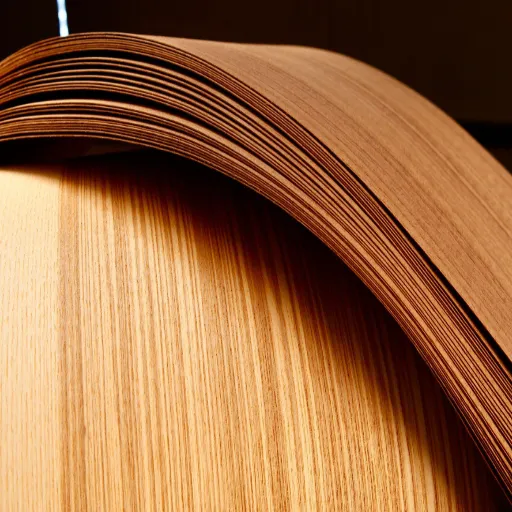
The first thing that came to mind when I considered the venue for my veneer business was the closeness to the raw material sources. The proximity with the suppliers helps not only in cutting down the transportation costs but also in getting the best quality of softwoods in a continuous stream. I scrutinized regions that offered dependable and prompt access to pine, cedar, and spruce to avoid any hold-ups and to keep the production process running smoothly and quickly.
The next major factor to consider was the accessibility of the appropriate facilities. I was looking for a relatively large area that could be used for veneer processing machines and an equally large storage area for the raw and finished products. A very airy and safe place was a must, being that wood is very sensitive to temperature and moisture changes. Good planning indeed helped me to identify a location with enough space for business expansion as the business grew.
Logistical convenience was the last thing I considered. I chose an area that was not only easily accessible to the main highways but also had other advantages like the proximity of customers to whom I could easily distribute my finished products. The presence of nearby utilities like electricity and water was also very important since they have a direct effect on the operational turnout. By taking all these factors into consideration, I was able to locate a very good place for my veneer business, one that was going to be successful.
Required Equipment for Veneer Production
In order to produce veneer of high quality and in large quantities, several indispensable pieces of machinery are needed. The machines and utensils that are mainly used in the production of veneer are listed below, allowing for both accuracy and large production:
- Log Debarker: This device is meant to take the bark off the logs, and thus, it will contribute to having a clean surface for the next processing step. This machine is important for the quality of the veneer while at the same time it prevents any wear and tear of the other machines due to the bark.
- Veneer Peeling Lathe: A lathe that peels veneer is very important for log cutting into thin slices of veneer. The lathe spins the log against a sharp blade which then cuts the veneer to the exact thickness required, thus ensuring the precision and the same amount of output.
- Veneer Dryer: After peeling, the sheets contain too much water which must be taken away in order for them to be usable. The purpose of the veneer dryers is to dry the sheets in a way that they all get the same amount of moisture removed and at the same time their structure is kept intact thus making them ready for further processing.
- Hot Press Machine: The hot press machine is used to glue the veneers together and it does so by applying heat and pressure which in turn creates a bond that is very strong and thus the machine plays a very important role in the production of good quality veneered products like plywood and furniture panels.
- Cutting and Slicing Machinery: The specialized cutting machines not only deliver the necessary dimensions for the veneers but also they do so in a manner such that the sheets are either of certain sizes or have decorative patterns. Cutting with precision is very important to get a final product that looks polished and professional.
- Glue Spreader: A glue spreader is a machine that guarantees the adhesive is applied evenly over the surfaces. This is a very important step for the production of laminated veneer where strong bonding is required.
- Conveyors and Material Handling Systems: Material handling systems that are efficient will make the production process faster, as they will enable the smooth transfer of raw logs, veneer sheets, and finished products from one production stage to another.
- Quality Control and Inspection Tools: Quality control measuring instruments, such as scanners and moisture meters, help maintain the established quality standards. These tools assure that no veneer sheets are produced that do not meet the prescribed specifications and are not defect-free.
Veneer manufacturers, by relying on high-quality and dependable equipment, can regulate the production process, make the output more consistent, and reduce the amount of idle time. In addition, the combination of these machines with labor that has received proper training and modern production techniques guarantees a competitive advantage in the market.
Regulatory Considerations for Veneer Manufacturing
Obeying rules and regulations in the veneer industry is of utmost importance to comply with laws, protect the environment, and keep the workers safe. The major regulatory structures generally cover such things as controlling emissions, managing wastes, and ensuring the health and safety of workers. Usually, the manufacturers have to limit the amount of volatile organic compounds (VOCs) released into the air during the processes of adhesion and finishing, thus obeying the environmental regulations that want to cut down the amount of air pollution. On the other hand, proper disposal and treatment of wood waste and by-products are practices that are required not only to avoid causing harm to the environment but also to help in the efficient use of resources.
Moreover, the safety of the workers is another area that is regulated and very important in the production of veneer. The regulations usually involve the provision of training for operators of machines, wearing of personal protective equipment, and putting in place devices on the machines to prevent accidents. Compliance with these regulations is not only a matter of obeying the law but it also leads to a more secure and productive work environment.
In addition, the FSC (Forest Stewardship Council) and the PEFC (Program for the Endorsement of Forest Certification) certification schemes are gaining more and more importance. The certifications confirm that the supplies are from sustainable sources, which is in line with the consumers’ preference for eco-friendly products. Besides, being in the know about the changing laws and regulations and taking the initiative to incorporate best practices, the manufacturers manage to enjoy compliance and at the same time, their reputation in the market is further enhanced.
Veneer Manufacturing Process
From Log to Sheet: The Cutting Process
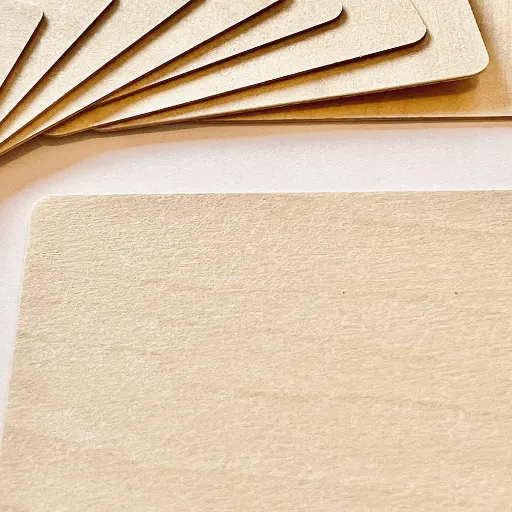
The whole process of making veneer starts with the picking and preparing of logs with great care. The logs, which come mostly from environ-friendly forest sources, are put in tanks filled with water and are to be kept at specific temperatures to be sure that the logs do not lose their moisture content. By going through this process, the logs become so soft and pliable that they can be cut through easily and consequently, less material is wasted in the course of the whole process. The manner in which the logs are treated at this point is a crucial factor in getting the best quality of the veneer sheets to be produced.
After the logs are all set and ready, the bark is removed from them to get rid of the outer layer and get to the main wood that is already cleaned and is thus usable. After this comes the step where the logs are clamped up to the special lathes for wood cutting. According to the expected outcome, one of the three usual cutting methods will be used – rotary cutting, slicing, or half-round cutting engraving. In rotary cutting the log is rotated against the cutting edge of the blade which runs very sharp, thus producing long, continuous sheets of veneer that are used often for the manufacturing of plywood. Slicing creates thinner sheets, on the contrary, actually cutting off the log’s width or length thereby emphasizing the planks’ distinctive wood grains which makes it popular for decorative applications. Halved-round cutting offers the best of both making a compromise of the grain pattern and yield.
The fresh veneer sheets are then subjected to drying to bring the moisture down to the level that is most suitable for the next stage of production. This drying process is very important as it helps to prevent warping and ensures that the sheets keep their strength. The modern era of veneer manufacturing is characterized by the gradual introduction of new technologies that sophisticatedly deal with the already existing processes, such as laser-guided lathes and automated drying systems, all to enhance precision and efficiency. These innovations work in a way that they increase the yield of the material be used, while reducing waste and igrowing the process synonymous with utsustainability goals. The continued union of the traditional techniques and the latest technologies has let the veneer manufacturing process move on to meet the requirements of the contemporary market and thus it continually evolves.
Quality Control in Veneer Production
Quality Control (QC) is regarded as an indispensable factor in the realization of compliance with both industry standards and customer expectations as far as veneer products are concerned. The first step of quality control is the selection of raw materials which is done very carefully and only the best logs with least defects are picked out to guarantee consistency and power all through the process. In the course of the manufacturing process, imaging and scanning which are among the most advanced inspection technologies, will be the means of detecting flaws like cracks, knots and thickness inconsistencies. Moreover, these systems empower manufacturers with the ability to perform real-time changes and decrease the volume of materials getting rejected.
The content of moisture is yet another very important element in the production of veneer. Automated sensors and monitoring tools are among those that keep the moisture content of the veneers at optimal levels so as to prevent warping or splitting during the application. Also, the adhesives and the bonding processes will be subjected to the most rigorous testing to validate their durability and safety, and one of the most popular testing methods for this is the bond strength assessment and heat resistance evaluation.
In this way, manufacturers are able to come up with constantly similar results while at the same time consuming less time and using less energy by the combination of modern equipment and detailed quality protocols. A good number of manufacturers also seek certification as compliant with ISO standards as a way of obtaining a very high international quality level, thus, attracting the trust of the market in their products. Quality control gets its power from both systematic checks and innovative technology, thus not only driving superior veneer performance but also promoting sustainable and waste-reducing practices.
Finishing Techniques for Premium Veneers
To execute a perfect finish for high-class veneers, one needs to be very precise, skilled, and to use advanced techniques. One of the basic steps is sanding, which is a very important factor in making the veneer surface smooth and ready for the next processes. Professionals working with very fine-grit papers take great care in removing faults and at the same time keeping the natural grain patterns. In factories, the use of automated sanding machines is common to ensure that the product is uniform at every stage of production. The smooth veneers not only look nice but also become a suitable surface for finishing application which holds well.
After sanding, coloring, and sealing are done to not only improve the visual quality of the veneer but also the durability of the product. The colors used are very carefully picked to either go along with or draw attention to the natural color of the wood and thus the fantastic grain is promised to be seen as well. Spray application among others, has been, and using one or the other will determine how well the stain goes. Next is sealing which is the foremost step that creates a barrier protecting for instance, water, scratches or UV rays. Water-based sealers are often selected because they are environment friendly and they produce the same quality you would get from chemical-based ones, but without the addition of harmful VOCs (volatile organic compounds).
The last finishing of premium veneers usually ends with polishing or top-coating depending on the level of sheen desired, which may be matte, satin, or gloss. Besides the regular high-performance polyurethanes and acrylics, the makers have also added UV curing as a step to their drying process. Not only does this curing produce long-lasting protection that enhances the visual depth of the fired veneers, but it also adds a lot of durability. The manufacturers guarantee that their products will not only be eye-catching but also capable of withstanding the test of time, thus they have set the standard for quality in the market.
Challenges and Solutions in the Veneer Industry
Common Operational Challenges Faced
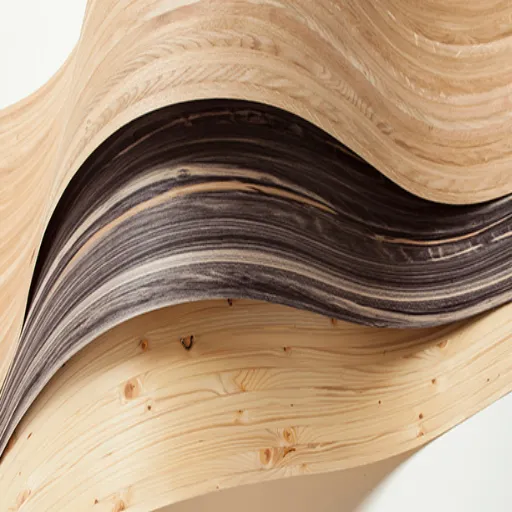
The veneer sector is a processor of many operations, one of the main ones being sourcing high-grade raw materials, which could affect the overall product quality and production. The foremost of the problems is that of wood. Acquiring timber that has been cut down sustainably and good quality has become harder and more expensive. Variations in wood, along with the constantly changing global market for fine wood, are another aspect of the industry’s difficulty keeping up with the production process changes. Variations in wood might result in different textures, grains, and colors, which in turn would complicate adjustments meant to ensure uniformity across the production batches. It is indeed a tightrope walk between nature and sound products.
Another tremendous hurdle is the adoption of and assimilation of state-of-the-art technologies into the production process while making sure that it is cost-effective. Still, while digital designing and the like can bring about the desired quality, the manufacturers would have to take the plunge into the high costs of initial investment first. Besides that, training of employees to handle the new machines, let alone ensure proper maintenance, is a concern for the factory management. Small and medium-sized manufacturers are especially the most susceptible to such costs, as they cannot easily pass it on to the customers; thus, their competitiveness with the larger, well-capitalized entities which can afford to implement advanced technologies might be limited.
The problem of supply chain management and fluctuating market demand is one of the logistical challenges that the veneer industry still has to overcome. Among the reasons causing the delay of materials supplier is the geopolitical situation, which contributes to increase in transportation cost, thus, all these come together to create a bottleneck in the production process. In addition, the company will need continuous investing in research and development, as well as inventory management, to be able to shift its focus, like moving from the production of normal veneers to eco-friendly or customized veneers, which are gaining popularity among the customers. In fact the company will be required to engage in strategic planning, heat the industry to the point of collaboration, and even commit to sustainable practices in order to be resilient in the highly competitive market nowadays.
Innovative Solutions for Sustainability
The industry is now investing in high-tech solutions that are not only efficient but also eco-friendly. The method that is the most popular so far is the application of the principles of the circular economy, which eliminates waste by using, reusing, recycling, or upcycling of materials. These principles are prevalent in manufacturing and constructing industries, where there is much resource saving from new uses invented for the by-products.
In addition, the developments in renewable energy are giving cleaner and more efficient resources to the businesses over the traditional ones. The sun, the wind, and the biomass ones are already being made ready and more affordable for companies that want to go green. The energy consumption of the companies will be lower thanks to the optimization of resources done through AI and machine learning, which will pinpoint the inefficient practices and forecast the long-term environmental costs.
Industry cross-collaboration is yet another way to assist in the development of collectively beneficial solutions. Being in a partnership with research bodies and environmental organizations not only pushes the companies to become leaders in sustaining the eco-trends but also indirectly makes them adopt eco-friendly materials or practices based on latest research. It is a matter of time that the unison of technological breakthroughs, sustainable practices, and the establishment of collaborative networks also makes businesses stronger in both making profits and being environmentally conscious.
Strategies for Managing Supply Chain Disruptions
Using a proactive and multi-faceted methodology to manage supply chain disruptions is necessary to achieve business continuity and resilience. One of the first steps companies can take is to switch to a diversified supplier base which minimizes the risk of disruptions caused by local or regional issues. This happens since it is not relying on a single source anymore thus reducing dependency. Giving the opportunity to associate the issues with that specific region or local area. In support of this, aggressive supply chain analytics and predictive modeling tools can be very beneficial in examining the business’s weaknesses and granting concessions to disruptions before their occurrence, thus, making preparations and responses more efficient.
Moreover, creating solid partnerships with suppliers and community building through providing honest channel is another important tactic. This makes it possible for the companies to be notified of possible disruptions in the supply chain or problems and work together on possible solutions. Company implementing inventory management just-in-time that is backed up with buffer stock strategies are going to manage the supply fluctuations efficiently while maintaining the same levels of performance.
On top of that, improving digital transformation through such technologies as blockchain, IoT, and AI will help the companies to gain visibility all over the supply chain and thus identify, for example, real-time tracking and the quality of the decision-making process improvements. In addition, the organizations might think about relocating parts of their operations back home or close to the border to decrease the complexity and risk factors the international logistics operations entail. Through the application of all these methods, the enterprise can build a more flexible and robust supply chain that is always prepared for unexpected challenges.
Future Opportunities in the Veneer Market
Emerging Trends in Sustainable Veneer Production
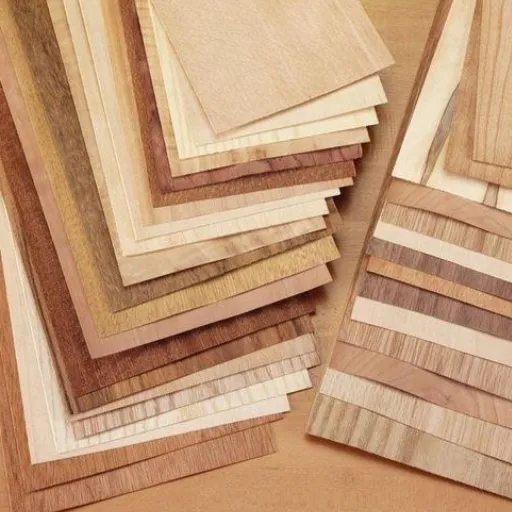
The future of veneer production is being continuously influenced by sustainability as both consumers and industries put a strong emphasis on eco-friendly practices. One of the main movements is the enhanced taking up of certified sustainable wood sources, for example, those certified by the Forest Stewardship Council (FSC). These certifications guarantee that the basic materials used in veneers are procured in a manner that is not detrimental to the environment; this includes among others, the positive impact on forests by conserving them and the reduction of harm to the ecosystem.
Moreover, the changes in the manufacturing processes are also having a huge impact. For example, cutting-edge technologies are now opening the door for the effective use of wood resources, thus, cutting down the waste in the veneer production process. Plus, the manufacturers are considering the usage of different materials like bamboo and ones that grow fast such as timber species, as they are regenerated quickly and thus the stress on the environment is lesser as compared to that of the traditional hardwoods.
On top of that, the major point is the transparency in the supply chain that now is getting more attention. Companies can share information in detail about the sourcing and production of their veneers through the use of digital solutions such as blockchain technology, thus, increasing consumer trust and complying with changing regulatory requirements. Besides, these initiatives correspond with the wider consumer expectations of the market for ethical production and corporate responsibility.
Implementing sustainable practices not only aids in the attainment of environmental objectives but also opens new avenues for the producers of veneers to set themselves off in competitive markets. The sustainability theme has shifted from being just a niche concern to becoming the very heart of innovation and growth in the veneer industry.
Exploring New Applications for Veneer Products
The veneer sector has experienced a broadening of its product applications which has been fueled by innovation and the changing preferences of consumers. Apart from the classical applications like furniture and interior design, veneers are sliding into new sectors such as car interiors, sound-insulating materials, and biodegradable packaging. These cutting-edge lines of applications not only serve numerous industries but also highlight the diversity of veneer materials.
For example, luxury car makers are increasingly turning to veneers for the interior of high-end cars, thus offering a sophisticated while a more sustainable substitute to synthetic materials. Furthermore, for creating sound-absorbing and visually attractive panels in offices, theaters, and living spaces acoustical engineers are making use of veneer’s natural property for sound absorption. Besides, luxury packaging has become a new trend where veneers are going to be used, especially for the elite brands that are looking to portray elegance in an environment-friendly manner.
All this indicates that the wood industry has a great capability to change for the better and be able to still provide a blend of the functional, the sustainable, and the nicely designed products that the market requires. Actually, discovering such new applications allows the wood manufacturers to reach the markets that were always being not important, and thus they earn themselves a place in the always changing global economy. The wood industry can easily identify trends and supply the right solutions to its clients, thus it will not only face the changing consumer expectations but also will continue to prosper.
Investing in Technology for Competitive Advantage
Verticals to remain competitive must always adopt and implement latest technologies. In the case of the veneer industry, the use of modern machines and automation is the main factor to make production more efficient, less wasteful, and better and bigger in quality. On the other hand, innovations like AI-powered quality control systems and precise cutting tools not only make the manufacturing process faster and easier but also guarantee that the end-product is of the same consistent high quality that the industry expects.
Technology integration also provides businesses with tools to glean data analytics on a continuous basis which can lead to better understanding of consumer behavior, market needs, and operational shortfalls. In addition, companies can refine their strategies to be in sync with changing customer needs and at the same time, they can save on resource consumption by optimally utilizing the data at hand. Most importantly, cutting-edge practices help organizations to be more eco-friendly, thus making it possible for them to reduce carbon emissions and gain acceptance among ever-growing green consumers.
For example, the implementation of real-time monitoring systems in production lines may serve to uncover inefficiencies and consequently, taking measures to avoid unnecessary downtime while, at the same time, having state-of-the art digital tools to foresee maintenance needs, thereby keeping the machines in top-notch working condition. The firms that focus on such technological advancement not only survive the harsh conditions of the market but also become the growth factor, as they are at the very front of the industry.
References
- Purdue University Extension – Manufacturing Fine Hardwood Face Veneers: Discusses the manufacturing process of fine hardwood face veneers and its applications in furniture and cabinetry.
- Click here to read more.
Frequently Asked Questions (FAQ)
Q: What is a veneer business and which items do they primarily provide?
A: The main concern of a veneer business is to provide wood veneer materials, i.e., wood veneer sheets, wood veneer panels, and high-grade wood veneer intended for residential, commercial, and architectural projects. The suppliers of wood veneer sheets also include the domestic and exotic wood species like white oak, poplar, bubinga, and rare burl veneers. Additionally, they may offer custom matching, wood veneer sheets and panels, and real wood options to suit the preferences of designers, shops, and finishers.
Q: What processes are used by wood veneer sheet manufacturers to achieve consistency and matching across panels?
A: The companies that deal with wood veneers apply grading, sequencing, and matching methods to get visually matched runs throughout the wood veneer panels. The exotic and domestic veneers are very carefully chosen and sliced—quarter-sawn, rotary, or plain-sliced—and often the manufacturers will have a gallery or shop service to be able to match grain and color, thus guaranteeing the best relationship between sheets for big projects. The use of the same core materials and sequencing of labels helps to ensure that the end product will be both beautiful and satisfying.
Q: Can a veneer business provide bespoke and architectural veneer solutions?
A: A number of veneer businesses, yes, do custom applications for architectural purposes, suggesting custom sizes, patterns, and rare woods. They co-operate with architects and manufacturers to provide architectural wood veneer panels, and they offer matching services to allow for the full scope of design possibilities and project demands.
Q: How do I make the decision between wood veneer sheets and the real wood solid panels for my project?
A: Solid wood and wood veneer sheets choice depends on the same factors that are associated with budget, sustainability, dimensional stability and desired look. The quality and beauty of real wood is present in the wood veneer panels and sheets while the efficient use of rare or premium wood species is allowed at the same time. Their offering usually comprises of various cores and engineered options to perfectly balance strength, cost, and the finest of aesthetic results.
Q: What do I need to expect when working with veneer business manufacturers regarding lead times and satisfaction?
A: Lead times differ with product, species, and level of customization. Generally, U. S. manufacturers of wood veneer sheets offer faster processing than rare or exotic imports. Good veneer businesses keep customer satisfaction in focus and maintain it by opening up communication about, for instance, product availability, matching galleries, sample options, and finished panel cores to be sure that the products delivered match the project time schedule and quality standards.
Q: Does a veneer business carry any sustainable or domestic options?
A: Many veneer businesses think sustainability is important and they offer sheets made of domestic and sustainably harvested woods. Customers have the option of going for north american species and american hardwoods to limit import impacts, and some suppliers can offer certified or responsibly managed wood species as a way to meet both ecological and architectural sustainability objectives.
Q: What is the general handling of rare or special-order materials like burl and bubinga by veneer businesses?
A: For precious materials such as burl or bubinga, veneer manufacturers usually keep a small stock and also provide special-order services. They might have a display board of the available cuts and let customers choose, either from the existing ones or by making custom cuts. Since these types of goods are hard to come by, veneer suppliers work in close contact with customers regarding such aspects as possibilities, prices, and delivery timelines to ensure top quality.
Q: What influences the core type and the panel construction besides the buying of wood veneer sheets and panels?
A: Core type and panel construction are the major factors influencing performance and application. Vendors of veneers offer panels with a variety of cores such as MDF, plywood, or specialty engineered core; each core has its own set of stability, weight, and finishing characteristics. Choosing the right core means ensuring the core’s long-lasting satisfaction, the right installer, and the right architectural or furniture application compatibility.