

The Future of Wood Veneer: Industry Trends 2025-2030
The wood veneer industry is on the brink of a change brought about by advanced technologies, customer preferences, and eco-friendliness. In the process of accommodating the needs of an eco-friendly market that is modern, designers and manufacturers alike are coming to realize the advantages of wood veneer as a highly adaptable, attractive, and green material. But what does the future hold for the industry? This article explores the major trends that will lead to the future of wood veneer, discussing how innovation, design transformation, and the adoption of eco-friendly practices will reassign its position in architecture, furniture, and interior design. If you are a professional in the domain or simply a design and material enthusiast, this preview of the future of wood veneer is sure to offer useful insights for the coming decade.
Introduction to the Veneer Industry
Overview of Wood Veneer
Wood veneer is a thin slice of wood that is commonly less than three millimeters thick. It is used to improve the look of surfaces with the imitation of real wood. Veneers are frequently employed in furniture, cabinetry, and other applications involving interior design as a means of realizing an aesthetic finish that dominated by the natural beauty of the wood grains, thus, being more cost-effective and sustainable than the use of solid wood. They are valued for their versatility with different patterns, colors, and textures.
The sustainability is the main benefit of wood veneer. Manufacturers by cutting wood into thin milled sheets utilize less wood than what would be needed for solid wood applications. With this technique not only less waste is produced but also the trees get preserved that are of high-quality wood. Moreover, many veneer products are made using eco-friendly adhesives and finishes, which speaks in alignment with the growing demand among the industry and consumers for sustainable practices. Commonly species such as oak, walnut, and maple, while the exotic ones are capable of being turned into stunning veneer sheets.
The creation of wood veneer is not only a matter of technology but also a skilled human being. Select the logs, and the methods of rotary cutting, slicing, or sawing process them to reach the desired thickness and design. After this, the veneers are attached to different substrates, e.g., plywood, MDF (medium-density fiberboard), or particleboard, and thus, durable and attractive surfaces are created. This not only prolongs the lifetime of wood products but also their easy usage, making the veneering a necessary part of the modern-day craftsmanship and design.
Importance of Veneer Sheets in the Market
The market has given quite a lot of importance to veneer sheets because they are multifunctional, economical, and visually pleasing. They are a cheap substitute for the solid wood and yet, the natural wood look is not sacrificed. It is one of the reasons why they are often chosen for the projects where the furniture, cabinetry, and interior design are to be handled in an upscale manner but within budget limits.
Another big plus of veneer sheets is the distinction they make in woodworking and furniture production to sustainability practices. Production of the wood veneer by slicing logs into thin wood saves the raw material and promotes natural resource wise usage through waste reduction. And such situation is very good aligning with the demand for environmentally friendly products in today’s markets.
Furthermore, the sheets of veneer boost the product’s customization and flexibility. They come in an extensive variety of wood types, colors, and grains enabling the designers and manufacturers to get a specific project done just right. Their versatility makes it certain that the veneered products meet a large number of consumer preferences and are still in the race within the highly design-oriented market.
Current Market Trends
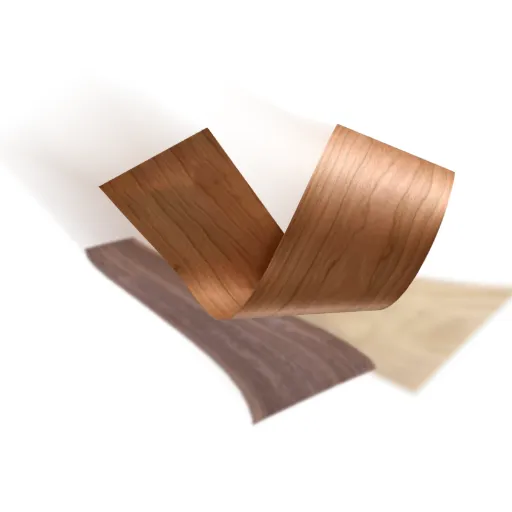
Shifting Market Demands for Veneer Products
The veneer market has been undergoing constant transformation, by the virtue of diverse consumer needs, and different industry adaptation to global trends. One of the trends that stand out is a shift towards demand for eco-friendly and sustainable products. With the increased awareness of environmental issues, buyers have set their precedence on the veneers that are either coming from the responsibly managed forests or recycled wood materials. The certifications like FSC (Forest Stewardship Council) have become the most important purchasing factors as consumers and buyers are looking for and seeking the proof of ethical sourcing and sustainability practices. This has made it necessary already for the major players in the industry to be greener the others through their production methods and along with that to be more transparent through their supply chain.
The increasing demand for engineered wood veneers is another trend that is influencing the market. The main reason which makes these products attractive is their ability to achieve high-end natural wood grains with the use of modern technology along with durability, versatility, and cost-effectiveness. Engineered veneers can give the look of rare wood types without eliminating the valuable natural being that’s why being so popular because these are both fashionable and practical. Interior designers, architects, and all other categories of the construction profession are advocating for such alternatives as they coincide with the modern trend that focuses on functional beauty and environmental responsibility.
At the same time, the diversity of consumer choices regarding veneers has resulted in a dramatic increase in customization and aesthetic innovation across the product range. Customers want personalized designs for a wide range of items, from furniture to wall panels, which in turn means that the manufacturers have to integrate state-of-the-art technology to enable customizations with utmost precision. With the growing impact of digital tools, manufacturers are employing computer-aided design (CAD) and CNC-type machinery to meet the requirements of individual customers, thus ensuring accuracy as well as the possibility of getting artistic taste published. These movements, together with sustainable practices that have been championed, are the powerful reasons that the veneer market is evolving to be able to keep pace with the times and, at the same time, be in sync with the values of contemporary consumers and the global environmental goals.
Emerging Technologies in Veneer Production
The veneer trade has experienced quite a large change in its scope regarding not only the production but also the customer satisfaction level with its use of modern technologies with precision and efficiency at the highest possible level, also with the least possible impact on the environment. Laser-cutting machines and automated veneer splicers are some of the leading causes of the revolution that has taken place in the manufacturing area because they contribute greatly to the processing in terms of speed and precision. Another benefit driven by IoT (Internet of Things) technology is the possibility to monitor production lines constantly and take waste reducing measures while at the same time guaranteeing quality over time. Artificial intelligence (AI) is starting to be a huge factor in this whole process, as it works out the cutting patterns so as to make the most of the raw materials, thus lessening the ecological footprint caused by this sector even further.
Moreover, the paper industry is also taking on 3D printing technology to produce veneer products. This application of the tech allows the making of extremely thin veneers with intricate patterns that are also being preserved in their durability. More so, augmented reality (AR) technology is also being used to provide interactive depictions of how veneers can be applied in interior design projects thus improving customer experience and assisting in their decision-making.
In a nutshell, the use of these new technologies helps to stimulate creativity in the veneer industry as even the most exacting consumer standards for sustainable as well as tailor-made solutions will be met while production of the whole process will gradually be aligned with current market demand.
Impact of Green Building on Market Trends
The gradual increase of green building practices has a remarkable impact on market trends in different industries, including plywood. Along with the gradual adoption of eco-friendly materials and construction practices, a company’s core is to provide products and services that meet the requirements of green building. Here are five ways in which green building trends have influenced market dynamics:
- Demand for eco-friendly materials is on the rise: The consumers along with the builders are giving priority to the environment-friendly construction materials such as the veneers made from certified timber that is sourced from sustainable forests. A recent market report states that the global market for green building materials is likely to be valued at $610 billion by the year 2030 with an annual growth rate (CAGR) of 11.2%.
- Use of VOC-free adhesives and finishes: Volatile Organic Compounds-free adhesives and finishes have become a rage among manufacturers because of the strong eco-regulatory environment and health concerns. The trend has forced manufacturers to create low-emission versions of their veneers in addition to the existing ones.
- Incorporation of Energy-Conserving Methods in Production: The green building movement is pushing companies in the veneer industry to implement eco-friendly practices that would not only make their production methods more environment-friendly but also lead to less pollution through reduced electricity consumption, the use of renewable energy sources, and efficient manufacturing processes.
- The demand for certifications and eco-labels has surged: The certifications e.g., LEED (Leadership in Energy and Environmental Design) and FSC (Forest Stewardship Council) are growing to be the must-have certifications for being competitive in the market. Companies with these certifications are more likely to attract customers’ trust and market access that is characterized by high-volume demand.
- The surging demand for modular and prefabricated building: The trend of going green in building has quickened the transition towards modular and prefab building where plywoods are used playing their essential role in enhancing the aesthetics and strength of the construction. The market data shows that the modular building market is expected to be worth $130 billion in 2026, which will also result in an increase in the demand for wood veneers.
All of these factors taken together clearly show that green building philosophies are not only changing the markets but also driving the innovation of products that are in compliance with such sustainable and responsible practices.
Sustainability in the Veneer Industry
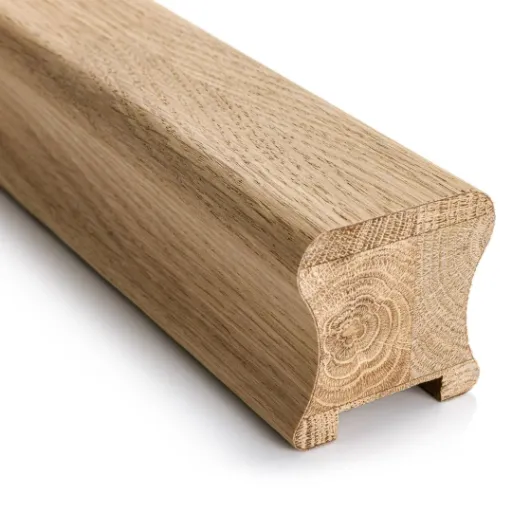
Eco-Friendly Practices and Materials
The veneer sector has gone green and incorporated various environmentally friendly practices in order to obtain the necessary ecological building materials. The responsible sourcing of timber is the topmost project; most manufacturers are investing in timber from certified sustainable forests. Timber certifications like FSC (Forest Stewardship Council) and PEFC (Program for the Endorsement of Forest Certification) guarantee that the wood for veneers is from well-managed forests which are meeting strict environmental, economic, and social standards.
Moreover, the advanced technologies in manufacturing further contribute to the reduction of waste during the production of veneers. The techniques like thin slicing ensure resource efficiency to the maximum by getting rid of less usable material from each log, thus resulting in fewer offcuts and remnants. In addition, the industry has also switched to low-VOC (volatile organic compounds) adhesives for stopping the emissions of harmful gases, hence making the products safer for both the construction workers and the residents of the completed buildings.
Moreover, recycling and upcycling are now widely accepted and even practiced by the veneer production industry as major strategies. The furniture and interior design industries are increasingly able to conceptualize smaller craft products like decorative panels or accessories out of repurposed veneer remnants and offcuts, thus cutting down the demand for virgin materials. On top of that, the industry is seeking new and inventive materials like engineered veneers which come from the use of sustainable alternatives and either still provide or can be designed to provide the same or a higher level of soundness and beauty without exhausting the natural resources.
Challenges in Sustainable Sourcing
Sustainable sourcing of veneer materials poses difficult challenges which cannot be avoided and thus should be considered carefully. One main problem is the restricted availability of certified sustainable timber. The trees in the forests that are not always economical and/or manufacturers are not always capable of accessing to such forests that fully meet the strict sustainability standards laid down by the Forest Stewardship Council (FSC) or the Programme for the Endorsement of Forest Certification (PEFC). This situation may lead to the use of uncertified or lower-quality materials, thus negating the attempts made to create an eco-friendly supply.
Complexities in the global supply chains are another problem. It is hard to trace wood’s history and prove that it has been sustainably harvested, especially when it has passed through several middlemen. Also, illegal logging still poses a threat, as it is one of the factors, alongside deforestation and loss of biodiversity, contributing to these problems.
Another hurdle that companies may face is the balancing act between cost-efficiency and sustainability principles. The use of sustainable materials, certification, and even auditing processes all come at a cost which might discourage small businesses from going green. Hence, educating the customers about the importance of these practices will indirectly be an important factor in the demand for responsibly sourced veneers.
The approach to overcoming such obstacles is through the mobilization of the various stakeholders, the application of technology for traceability and the passing of responsible policies that command immense adoption across the board.
Challenges Facing the Veneer Industry
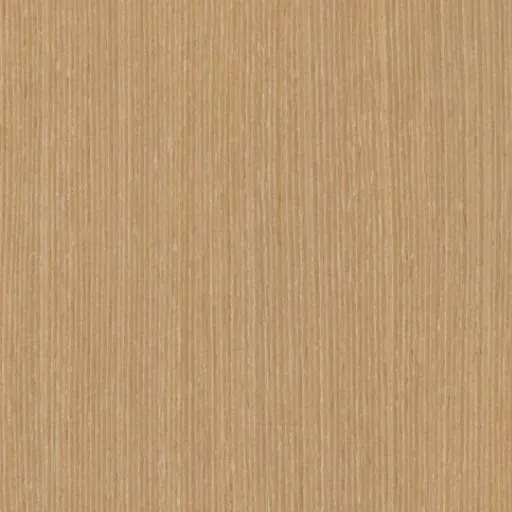
Supply Chain Disruptions
The say the least, the veneer industry has been facing serious challenges due to supply chain disruptions, a situation that has increasingly gained prominence in recent times. The COVID-19 pandemic and international politics are some of the global events that have caused raw materials, production, and shipping to be slow. Consequently, there has been high-quality veneer products that are hardly available for sale, come with extra costs and taken longer than the usual time. For example, the difficulties faced by some countries are mainly related to ecological timber as some regions have halted logging completely while others have even placed a total ban on exports. The aforementioned disruptions not only affect the raw material suppliers but also the manufacturers, distributors and finally the customers, who experience the effects directly.
A major contributor to supply chain disruptions has been the soaring transportation and logistics costs. The continuous increase in fuel prices, lack of workers in the shipping industry, and the congestion at the large ports have made the movement of materials slow and inefficient. Besides, the increasing demand for sustainability has added another layer of complication to this issue. Organizations trying to comply with stricter environmental regulations very often need to have full visibility in sourcing, which grants them the power to procure from limited sources that can cater to only those materials that are not in high demand. The existing obstacles to the supply chain are already huge and these complicating factors only make them worse, thus giving rise to a dire need for finding inventive solutions.
It is vital for the veneer industry to rethink their ways and undergo the transformation to embrace strategies that make them more resilient and adaptable against the forces of change. The very digital tools such as blockchain technology will not only be able to provide for better traceability but also aid in the ethical and sustainable sourcing of the raw materials needed by the businesses whilst at the same time making the operations move faster. Moreover, the industry can come up with ways like building stronger ties with suppliers and looking at new transport routes or sources of raw materials to keep themselves safe from interruptions. The collaboration all across the industry along with the commitment to technology and the sustainable practices can eventually turn the supply chain risks into opportunities and hence, open up the path for the veneer industry to be more stable and efficient in the future.
Competition from Solid Wood Alternatives
The veneer industry has to contend with the new solid wood alternatives which are not only growing in number but also in popularity. The perception of solid wood as being more durable, aesthetic, and natural comes with the attached increased quality and thus price of the material. An additional problem the veneer producers have to face is that many wood lovers do not consider wood veneer as a choice that is equal in quality to that of a solid piece of wood. Solid wood alternatives are often branded as a top material that not only lasts longer but also needs less care which is the complete opposite of the veneer option that is more economical but sometimes gets misunderstood. Buyer attitude thus formed can result in a situation where a product of the veneer end is less likely being purchased in certain parts of the market.
Nevertheless, the wood veneer sector can turn the tide upon these challenges by putting its primary benefits to the fore. The sustainability of the whole process of consuming the natural timber is an advantage that goes with the veneers. When engineers and designers work hand in hand, they can come up with very luxurious-looking wood veneers from the smallest amounts of timber, as they use just a very thin slice of the wood adhered to the engineered cores thus significantly lessening the dependence on large amounts of uncut timber. This not only makes them the greenest option but also allows the production of designs that look like rare and expensive woods while keeping the earth intact. Raising customers’ awareness regarding these merits can help to change their taste and create more acceptance of veneers beyond the issue of price.
In order not to be overtaken by solid wood alternatives, the veneer industry should also regard innovation as its main focus. To illustrate, the development of processes in the manufacturing industry can lead to the production of high-quality and durable veneer products thereby reducing the gap between the veneers and solid wood in terms of longevity and performance. The strategic marketing campaigns that highlight the flexibility, affordability, and eco-friendliness of veneers could be accompanied by these innovations that help reposition the industry. Also, the cooperation with design professionals and furniture manufacturers can strengthen the consumer’s trust even more by portraying the use of wood veneers that are even more appealing and functional than those of solid woods minus the price.
Market Volatility and Economic Factors
The veneer business is in a close relationship with market volatility and general economic trends that make it necessary to be quick on one’s feet to succeed. The aforementioned raw material cost fluctuations bear the greatest impact on production costs, especially the price of timber. High-quality or customizable veneer products might lose the consumer’s interest and thus become the victim of economic downturns or inflationary pressures. So, the wood solutions not only will be the cost-effective methods of production but also the very diversified supply chains that will help to set the prices right and open the doors to a wider customer base at the same time.
Changes in global trade policies and tariffs also play a major role in adding uncertainty to the market. Power over the whole timber market can push a whole chain of timber suppliers and they can end up being cut off completely or even having to charge more because of their judge monopolist. Awareness of this issue has led many veneer manufacturers to consider sustainable alternatives, including using wood from renewable plantations or recycling waste wood. Government support for sustainability-oriented practices and meeting environmental regulations can be an opportunity to balance the volatility by not only boosting the brand’s reputation but also creating customer loyalty.
Apart from these difficulties, economic factors can sometimes open the door for prosperity. Penetrating the non-Western market could be one of the ways to achieve that, as e.g. demand for cost-effective yet good-looking materials is rising in such areas. Moreover, financial incentives, like tax reductions, especially for eco-friendly production, can make the situation more bearable for the companies. The veneer industry may not only be able to survive turmoil but also lay the groundwork for sustainable growth in the future by managing economic difficulties through proactive policies and innovations.
Future Opportunities for Growth
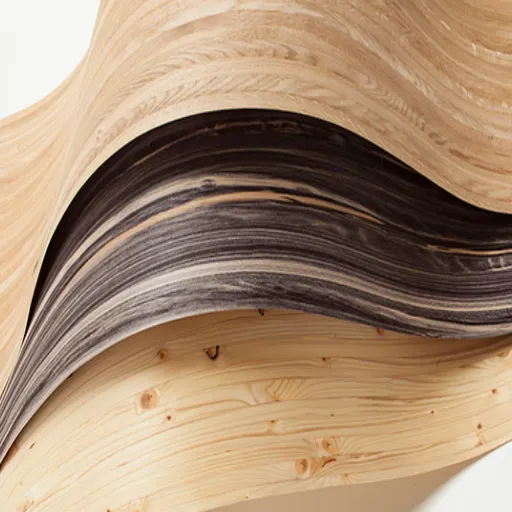
Innovations in Veneer Panels and Products
The veneer trade is getting an overhaul as a consequence of the technological breakthroughs and the application of eco-friendly practices. Among the new ideas, especially noteworthy is the use of engineered veneers, made through high-tech manufacturing processes that impart them with uniformity in quality, beauty, and sturdiness. The availability of these engineered variants has unwound a lot of possibilities for the designers and the architects, which means larger freedom for design, yet keeping the production cost competitive.
The next step in the line of novelties is eco-friendly veneers which are being made by manufacturers using recycled wood fibers and renewable materials so that their products have less impact on the environment. The progress in the area of adhesives has resulted in the creation of low or zero-emission glue thus, eliminating one of the concerns related to indoor air quality and environmental safety.
Digital printing technology has also found a place in the veneer production process. Through the exact reproduction of patterns and textures digital printing not just allows the customization of veneers but also enhances the creativity of designers to the extent that they can produce unique designs that could not have been possible otherwise. The technology also contributed to waste reduction since it optimally uses the materials while still satisfying the clients’ needs for customized finishes.
What these advancements and innovations still are and will keep the industry’s potential to adapt to the current and future demands, that is to say: sustainability and at the same time, the new capacities with regard to functionality and design that come along with it. The veneer industry can keep the global competition at bay by investing in Research and Development and at the same time re-defining its role in the world market.
Potential for Expansion in Emerging Markets
The veneer industry is set to benefit significantly from the emerging markets as these areas are getting more and more urbanized, people’s purchasing power is increasing and they are more and more inclined to luxury interior design materials. The regions including Southeast Asia, Latin America, and some parts of Africa are experiencing fast-tracked infrastructural development along with the emergence and expansion of the middle-class population, which in turn has created an upsurge in the demand for engineered veneers. The fact that these markets are rather strict when it comes to quality has made it easier for the environment-friendly products to get accepted since they are totally in accord with the global move towards ecologically friendly materials.
Since the companies are to be in a position to cut down their costs and thus be able to more accurately and quickly respond to the needs of these markets by making use of local manufacturing and distribution networks, partnerships with regional distributors and contractors may also ensure better market penetration. This is further complicated by the fact that these companies have to combine their efforts with digital marketing and e-commerce platforms the modern way, so that they are able to directly reach the final customers and at the same time show the different kinds of veneers available, thus speeding up the market expansion.
Another area of investment would be in training and educating regarding the use of veneers, which would not only help in increasing demand among the architects and designers in emerging areas but also help in building trust and position veneers as the preferred choice for high-quality and eco-conscious interiors. By means of strategic initiatives, the veneer industry can make the most of the opportunities for growth in these developing markets while at the same time participating in the global sustainability efforts.
References
-
Decorative Wood Veneers as a Medium for Contemporary Design – North Carolina State University
This article reviews the use of decorative wood veneers in contemporary design, focusing on their visual and multisensory appeal. -
Montana’s Wood Products Industry Update – University of Montana
This document highlights trends in the wood products industry, including veneer production, sales, and pricing. -
Success Factors of Wood Veneer as an Overlay Material – North Carolina State University
This study examines the success factors of wood veneer in furniture manufacturing, focusing on material preferences and industry practices. - Click here to read more.
Frequently Asked Questions (FAQ)
Q: What are the current trends in the veneer industry that will shape the market overview and market growth?
A: The trends in the veneer industry support the idea that demand for natural and reconstituted veneer sheets will increase, primarily for interior decorations, rebuilding and Urbanization. The global market analysis for veneer sheets indicates the CAGR for the market during the forecast period will be positive, with simultaneous growth in the market size and market value, and the expectation that the veneer sheets market size will reach billion in 2025 and will go higher than 2025. Main driving forces behind the market are technological improvements, better quality of the phenolic-backed and paper-backed products, and increasing need for environmentally-friendly, open-grain wood looks.
Q: What is the size of the global veneer sheets market and what is the market share forecast for 2025?
A: Market research and reports give a contemporary picture of the global veneer sheets market size and value, and many forecasts point out that the veneer sheets market share in 2025 will be considerable in different regions. The market is partitioned according to natural wood veneers, engineered veneer usage, paper-backed veneer sheets, and phenolic-backed wood types and SR. A lot of reports project the market to achieve substantial billion in 2025 figures and that some players would be the biggest market share holders in 2025 residential and commercial segments.
Q: Which segments of the market and applications of veneer are the main ones driving the trends of demand?
A: The main consumers of veneers are applications in residential and commercial construction, interiors, office space fit-outs, and renovation. The market is divided into decorative veneers, natural veneer sheets, premium veneer products, and functional sheets with phenolic backing for enhanced durability. Trendy consumption indicates gradually increasing use of veneers for wood finishes, imitating the look of real wood in furniture and wall panels, and a gradual acceptance of the application in green building certification systems for environmentally friendly projects.
Q: What technological progress and veneer technologies are setting the trends of innovation in veneer?
A: The enhancement of manufacturing technologies such as slicing with precision, the creation of reconstituted veneers, engineered veneers, and the development of adhesiveness for paper-backed and phenolic-backed veneer sheets are the major driving forces of veneer innovation. The associated technologies provide great durability, even grain patterns, and a new category of looking-like-wood premier veneers. The shifts in technology are vital for market expansion and changes in the competitive environment.
Q: How much sustainability, certifications, and sources of veneer do industry stakeholders consider as important?
A: The Supply of sustainable veneer and veneer sources has become a market consideration that is hard to ignore. The compliance with and granting of FSC and PEFC certification, the authorization of green building certification systems, and the living within the parameters set by local and global regulations are important for the purchase decisions made in commercial as well as residential projects. By offering certified natural wood veneers and responsibly sourced reconstituted veneer and paper-backed veneer, companies can position themselves well in the market and at the same time meet the needs of consumers who want sustainable and genuine wood aesthetics.
Q: How do wood species, grain patterns and premium veneer products influence the choice of consumers?
A: Species of wood and patterns of grains are the main reason for the demand of veneers since designers and consumers prefer the aesthetics of natural woods. Oakwoods and the topmost wood types remain in demand for their indisputable and appealing patterns. Meanwhile, natural wood veneers and premium quality veneer sheets are the choices of the luxury home construction and high-end commercial interior segment. The market for premium products is buoyed by the remodeling and new building that focus on the real wood look rather than the cheaper alternati