
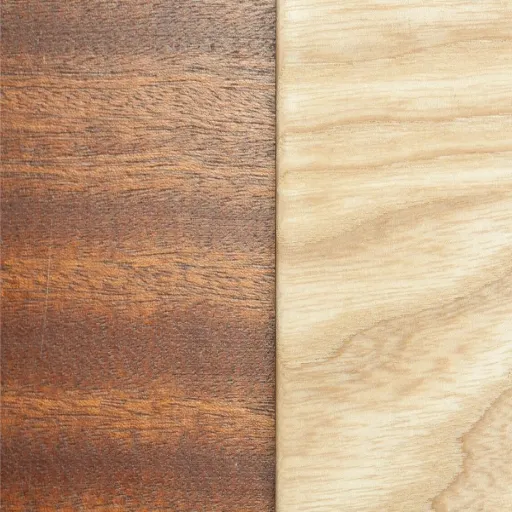
Engineered Veneer vs Natural Veneer: Understanding the Differences in Wood Veneer Types
Wooden veneers are the most widely used material for creating beautiful and elegant interiors and furniture, providing a natural touch with design flexibility. However, not every wood veneer is of the same standard. The two major categories—engineered veneer and natural veneer—each have their own set of traits, advantages, and uses. The right veneer choice is made by recognizing these distinctions and ensuring your selection fits the project’s design and functionality requirements.
Manufacturing Processes of Veneer Types
Overview of Engineered Wood Veneer Production
Engineered wood veneer is created through a careful and intricate process consisting of multiple steps to achieve a finish that is both uniform and adjustable. The first step involves selecting wood from fast-growing and sustainable trees, such as poplar or basswood, which serve as the raw material. These logs are either peeled into ultra-thin layers or cut into large sheets using rotary-cut technique, which becomes the base of the engineered veneer.
After base preparation, the sheets are dyed to achieve uniform shade and grain pattern. This process enables engineered veneers to imitate a vast variety of looks with the same precision as natural wood species. The dyed sheets are then stacked and pressed in a controlled manner to form blocks, with grain design determined by sheet alignment.
Next, the pressed blocks are cut into thin veneer sheets, then sanded and finished according to cosmetic and functional requirements. This approach guarantees not only a matching aesthetic but also improved resource use and production flexibility in accordance with design constraints. The carefully regulated process makes engineered wood veneers an ideal selection for those seeking consistency, sustainability, and specific ambiance in their design projects.
Natural Veneer Manufacturing Techniques
Natural veneer manufacture is a series of operations that aim to display the inherent beauty and character of real wood. Unlike engineered veneers, natural veneers are made directly from logs, meaning every sheet showcases the unique patterns, textures, and colors of the tree it comes from. The process requires skilled hands, utmost precision, and quality wood preservation.
Production starts with log selection based on species, size, and quality. Once logs are prepared and softened—mostly by steaming or boiling—they become easier to slice. The logs are then cut into thin sheets using one of three main cutting methods: rotary cutting, plain slicing, or quarter slicing. Each method produces different grain patterns, offering variety to fit any design preference.
The next step is drying the veneers to prevent warping and ensure longevity. Trimming, sorting, and grading according to aesthetic and structural properties follow drying. Finally, finishing treatments like sanding and staining might be applied to enhance natural beauty. This entire process ensures veneers are not only beautiful but also authentic, making them highly sought after in high-end furniture, cabinetry, and interior design projects.
Aesthetic Differences in Wood Veneer
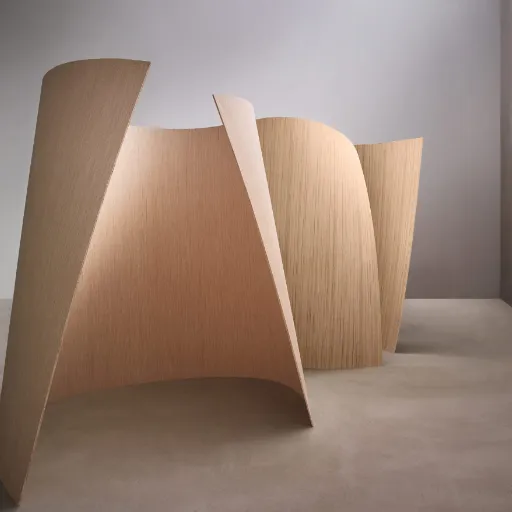
Appearance and Texture of Natural vs Engineered Veneer
Natural veneer offers unique, irregular patterns and textures, while engineered veneer provides uniform, consistent designs. Understanding these differences is crucial for making the right selection for your project.
| Key Point | Natural Veneer | Engineered Veneer |
|---|---|---|
| Appearance | Unique patterns | Uniform design |
| Texture | Natural feel | Smooth, consistent |
| Grain | Irregular | Regular |
| Color | Varies naturally | Pre-determined |
| Aesthetics | Authentic look | Modern, sleek |
| Variation | High | Low |
| Customization | Limited | High |
Digitally Printed Wood Veneer: A Modern Approach
Digitally printed wood veneer represents an innovative transformation in wood aesthetics, merging nature’s wood appeal with modern technology. The process involves utilizing advanced digital printers that apply high-quality patterns or textures directly onto the veneer surface. These sophisticated printers provide an unmatched level of accuracy, allowing reproduction of different wood species and finishes with great precision.
Key Advantages of Digital Printing
- Adaptability: Create custom patterns or imitate rare, exquisite wood grains that are nearly impossible or too costly to obtain
- Eco-Friendly: Produces minimal waste as only exact portions are printed, avoiding over-dependence on limited wood species
- Consistency: Provides uniform appearance without color and grading differences found in natural veneer
- Sustainability: Prevents excessive tree cutting and supports environmental consciousness
The main reason behind digitally printed wood veneer’s popularity is its adaptability and personalization. Pattern makers and producers can transcend usual limitations and create custom patterns or imitate the rarest wood grains. This feature enables blending different working styles through various architectural and interior design projects without difficulty. Combining technological advancements with environmental consciousness, digitally printed wood veneer offers a solution that is both trendsetting and practical for present-day design challenges.
Durability Comparison
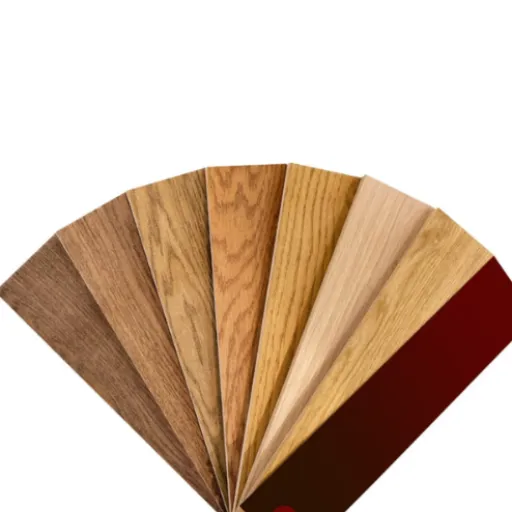
Resistance to Wear and Tear in Natural Wood Veneer
Natural wood veneer offers excellent visual appeal but has limitations in terms of durability. Because it consists of thinly sliced layers of real wood, it is prone to scratches, dents, and wear, which become visible even in low-traffic areas or places with infrequent use. The type of wood and veneer thickness are main factors determining wear resistance; harder wood species like oak and maple usually provide better durability than softwoods like pine. Nonetheless, even the hardest natural veneers are less damage-resistant than synthetic alternatives or veneered materials like digitally printed wood veneers and laminates.
Environmental Sensitivity Factors
One disadvantage of wood veneer is its inability to easily handle environmental conditions such as humidity and temperature changes. Wood, being natural, changes size according to surrounding temperature and humidity. This can result in cracking or peeling if proper maintenance is not performed. Application of protective finishes such as polyurethane and lacquer provides excellent barriers for wood veneer, though these coatings may wear off over time, requiring re-application to maintain effectiveness. Additionally, wood veneer might lose color or fade due to sun exposure, further impacting lifespan.
Natural wood veneer, although lacking the strength of modern materials, remains a popular choice because of its natural appearance. Gentle cleaning, avoiding excessive moisture, and placing protective pads under heavy objects are recommended regular care routines to prolong lifetime. While it may not be as tough as some modern engineered materials, natural wood veneer provides a classic look that is difficult to imitate, making it the preferred choice for aesthetic-focused applications where designs prioritize appearance over extreme durability.
Durability of Engineered Veneer Under Various Conditions
Engineered veneer, designed to imitate the look of natural wood, possesses superior consistency and durability through various environmental conditions. Unlike traditional wood veneer, it does not warp or crack when temperature and humidity change. This resilience is due to its composition, which has eliminated many drawbacks of natural wood. Engineered veneer usually features a stable core material, like MDF (medium-density fiberboard), which supports strength and prevents material deformation over time.
The engineered material also provides scratch and stain resistance along with discoloration protection, making it highly suitable for high-traffic areas requiring difficult cleaning. Research and experimentation have shown that under controlled conditions, engineered veneer can maintain both appearance and structure for several years with minimal maintenance. It can imitate natural wood quality in appearance without the disadvantages, making it extremely useful in commercial spaces, kitchens, and bathrooms—areas where moisture and wear exposure is guaranteed.
Maintenance Best Practices
Nevertheless, engineered veneer performance is optimal in most situations but not entirely damage-proof. Extended exposure to high humidity or heavy physical impacts can compromise integrity. Proper sealing and avoiding standing water are important for maximizing lifespan. Moreover, using eco-friendly engineered veneer can be part of sustainable design practices, offering a practical yet environmentally friendly alternative. Properly treated and maintained, engineered veneer offers wide-ranging uses and durability for indoor areas in both residential and commercial settings.
Long-Term Performance of Natural vs Engineered Wood
Natural wood offers greater refinishing potential and longevity, while engineered wood provides better dimensional stability and resistance to environmental changes.
| Key Point | Natural Wood | Engineered Wood |
|---|---|---|
| Durability | High | Moderate |
| Stability | Low | High |
| Refinishing | Multiple times | Limited |
| Lifespan | Longer | Shorter |
| Moisture Resist | Low | High |
| Environmental | Sensitive | Stable |
| Maintenance | High | Moderate |
Cost-Effectiveness of Veneer Options

Initial Costs of Engineered vs Natural Veneer
Engineered veneer is more affordable, while natural veneer has a higher initial cost due to its premium quality and production process.
| Key Point | Natural Veneer | Engineered Veneer |
|---|---|---|
| Cost | High | Low |
| Affordability | Premium | Budget-friendly |
| Quality | Superior | Standard |
| Usage | High-end projects | Cost-effective projects |
| Value | Long-term | Short-term |
Maintenance Expenses and Long-Term Value
One of the most critical issues when deciding between natural and engineered veneers is maintenance costs plus overall value. Natural veneers generally require more care and upkeep to maintain superior quality and appearance. They might require periodic refinishing and polishing, leading to higher maintenance costs for protecting against scratches, stains, and wear. Engineered veneer, in contrast, is considerably lower maintenance and is typically installed with factory-applied finishes, where some provide resistance to moisture and minor damages, making it a more convenient choice for busy environments or a cost-effective solution for those needing one.
Natural veneer still provides high-end aesthetics and surprisingly offers more in terms of long-term value. The distinctive wood grain patterns and high-quality traits from nature help the veneer maintain and even increase its demand in the market due to the timeless aesthetic that the area might gain over years of proper usage. Luxury interiors and exclusive constructions often use natural veneers as their top choice since it is durable and beautiful with timeless appeal. However, using premium materials for veneers implies the need for proper and more frequent care to maintain beauty.
Engineered Veneer Benefits
Engineered veneers come with built-in convenience and affordability, making them perfect for projects with strict budgets or shorter lifespans. Even though engineered veneers don’t have the luxury appeal of their natural counterparts, they offer consistency in quality, uniformity in appearance, plus easier installation—these benefits make them an excellent choice for the commercial market or budget-minded homeowners. Additionally, technological innovations in engineered veneer production have brought about stronger and greener products, making regular disposal practices no longer the only option.
Evaluating the Cost-Benefit of Each Veneer Type
Choosing between natural and engineered veneer requires analyzing the cost-benefit ratio of both types. Natural veneer is usually more costly initially but provides beauty and uniqueness through its organic nature. The beauty of each sheet coming from nature adds long-term value to premium projects. However, costs can vary significantly depending on wood species, and it can be less durable in high-wear areas.
Conversely, engineered veneer is a reasonable price option with predictable cost and uniform quality. This product is ideal for large projects or when cost is a major concern. Moreover, its manufacturing process consumes less of the best quality raw materials, thus lowering overall production costs. Modern engineered veneers even have better durability and resistance to environmental adversities such as humidity and temperature changes, proving to be a smart choice for practical applications.
These comparison points show that veneer choice must align with not only project goals but also budgetary considerations and maintenance expectations. The technological and material advancements in both natural and engineered veneers satisfy diverse aesthetic and functional requirements and provide practical options that accommodate a wide range of applications.
Environmental Impact of Veneer Materials
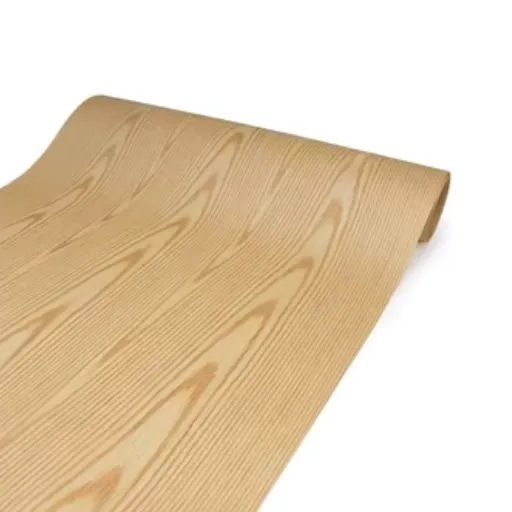
Sustainability of Natural vs Engineered Wood Veneers
Engineered veneers are more sustainable due to efficient use of renewable resources, while natural veneers may contribute to deforestation but offer eco-friendly options when properly sourced.
| Key Point | Natural Veneer | Engineered Veneer |
|---|---|---|
| Deforestation | Higher impact | Lower impact |
| Renewability | Limited | High |
| Eco-Friendly | Moderate | High |
| Energy Use | Lower | Higher |
| Material Use | Less efficient | Efficient |
| Sustainability | Moderate | High |
Sourcing Practices and Their Ecological Footprint
Sourcing practices have a crucial role in determining the environmental influence of veneers, whether natural or engineered. Deforestation is one consequence of natural veneer timber harvesting, especially true when forests are not managed properly or exploited for short-term benefits. Biodiversity gets affected, ecosystems get disrupted, and carbon emissions increase globally. On the positive side, green certifications like FSC (Forest Stewardship Council) and PEFC (Program for the Endorsement of Forest Certification) support the forest industry and the environment, making it possible to harvest trees more responsibly.
Engineered Veneer Sustainability
In the case of engineered veneers, they use either recycled wood or fast-growing tree species to reduce ecological footprint. These veneers require, very often, less raw timber per unit of production, making them a more efficient option in terms of material use. However, their production is energy-consuming since mechanical and chemical treatments are energy-intensive. Companies that invest in energy-efficient technologies and use renewable energy sources in the manufacturing process can reduce environmental cost and improve sustainability.
Waste from both production methods should be a matter of consideration regarding the complete lifecycle of every product. The installation of wood that is not used in engineered veneer production is the main reason for lesser waste compared to waste resulting from cutting timber used for natural veneers. Moreover, engineered veneers are highly likely made using some post-consumer recycled materials, thus benefiting the circular economy. This way, manufacturers and consumers, by evaluating sourcing practices together with their ecological implications, can make more informed decisions aligned with modern sustainability targets.