
Wood Veneer Sheets: Enhancing Your Projects with Beautiful Veneer
Wood veneer sheets serve as the ideal solution for people who want to enhance their projects with elegant and distinctive and sophisticated elements. The use of veneer sheets provides an affordable and flexible solution to create beautiful results for people who design custom furniture and renovate their homes and develop original DIY projects. The article explains the enduring appeal of wood veneers as a permanent choice which demonstrates their usefulness in real-world situations and their capacity to create extraordinary results from basic design elements. Prepare to discover how veneer sheets can enhance your work through their inherent beauty and exceptional appeal.
What are Wood Veneer Sheets?
Definition and Composition of Veneer
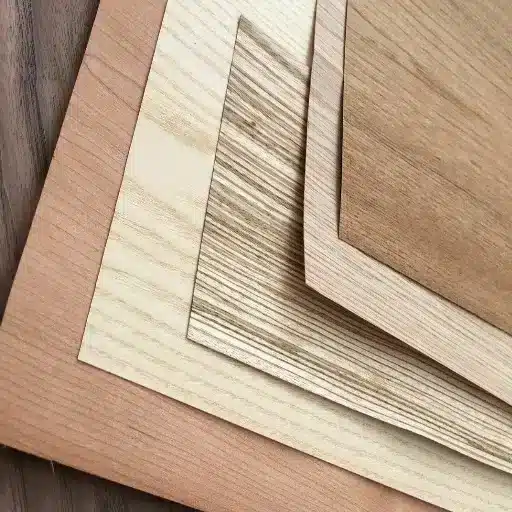
Wood veneer sheets exist as natural wood materials which manufacturers create by slicing or peeling logs into sheets that have a thickness of less than 3 millimeters. The sheets maintain the original wood grain patterns together with the wood species textures and colors which make them suitable for use in decorative applications. Veneers serve as a cost-effective solution which enables users to achieve the look of solid wood by applying the material to MDF plywood and particleboard surfaces.
The process of creating veneer begins with selecting high-quality logs, which are then processed using various cutting techniques like rotary peeling, slicing, or sawing. Rotary peeling involves rotating the log against a blade to produce large, continuous sheets of veneer, while slicing produces narrower sheets with more pronounced grain patterns. The complex procedure maintains all wood natural qualities including tonal attributes and surface texture which makes the wood visually appealing.
Veneer sheets function as adaptable materials which manufacturers use to create furniture pieces and cabinetry items and wall panel systems and decorative trim elements. The product provides an environmentally friendly option to solid wood because it enables complete timber usage while decreasing material waste. The design options of veneers extend to both exotic wood species such as walnut and teak and common wood types such as oak and maple, which create sustainable design solutions that showcase wood beauty.
How Veneer Sheets are Made
Veneer sheets are made through a meticulous process that maximizes the use of wood while preserving its natural beauty. The process begins with the selection of high-quality logs, also referred to as flitches, which are carefully inspected to ensure they meet the required standards for veneer production. The logs undergo a softening process through steaming or soaking in hot water, which enables operators to slice or peel the wood more efficiently. The process requires this stage to protect all material from experiencing any form of damage during operations.
The team uses three main techniques to produce thin sheets from softened logs which operates based on the specific needs of the project to create distinct grain patterns. Rotary peeling produces continuous sheets through log rotation against a blade, while slicing generates flat sheets through lengthwise cutting of the log. Sawing functions as a specialized technique which manufacturers use to create specific veneer designs that need distinct visual elements. The three methods demonstrate the wood’s unique characteristics which determine the actual visual aspects of veneer sheets.
The team proceeds to dry the sheets until they reach the correct moisture content while they also cut the sheets into matching dimensions. The team stacks the materials while they sorts the materials according to their patterns in grain and their hues and their level of excellence. The majority of manufacturers add extra processes to their products by applying treatments which include backing and sanding to make veneers more durable while simplifying their installation process. The final product is a versatile material that captures the natural elegance of wood, making veneer sheets a popular choice for both residential and commercial design projects.
Common Species Used in Veneer Sheets
Veneer sheets are commonly produced from various wood species which provide multiple aesthetic and functional options. The three most commonly used wood species are oak and walnut and maple. Oak veneers provide both strength and unique grain patterns which make them suitable for use in furniture and flooring products. Walnut veneers create a luxurious look through their rich dark colors which make them ideal for high-end design applications. Designers use maple veneers because their light colors and soft designs match modern and minimalist design styles.
Premium veneer sheets are made from exotic wood species which are less common than standard wood materials. Mahogany is a popular choice for those seeking a classic and timeless appearance, while teak offers exceptional resistance to moisture and weathering, making it suitable for outdoor furniture or humid environments. Designers use ebony veneers because their deep nearly black color makes a strong visual impact in expensive furniture products. The exotic alternatives provide veneer projects with distinctive qualities which make them special.
Veneers contain different wood species which produce distinctive textures and colors and special properties that allow designers to choose their preferred appearance. The proper wood species selection becomes essential for achieving both functional requirements and visual design objectives in cabinetry and wall paneling and decorative elements.
Benefits of Using Wood Veneer
Cost-Effectiveness Compared to Solid Wood
Wood veneer provides an affordable option which preserves the natural wood beauty and sophisticated appearance of solid wood. The cost-effectiveness of wood veneer material is demonstrated through five essential elements which follow below.
- Efficient Use of Resources: Veneer production uses thin wood slices which preserve high-quality wood material because a single log produces more veneer than solid wood. The process requires fewer raw materials which results in decreased overall expenses.
- Lightweight Properties:Veneered panels achieve lower weight than solid wood, which results in decreased costs for their transportation and installation and their handling process.
- Reduced Waste: Veneer production processes are designed to create the least amount of waste possible. The process allows manufacturers to use all parts of the tree, which helps them save money on production expenses.
- Lower Material Costs: Veneers provide designers and builders with budget-friendly access to premium aesthetics, which enables them to create high-end designs that match their financial limitations.
- Durability with Composite Support: Veneers get applied to engineered wood products which include plywood and MDF because these materials offer lower costs and extended strength and stability compared to solid wood.
Wood veneers provide a budget-friendly option which maintains high product quality and aesthetic value because of their various advantages.
Weight and Flexibility Advantages
- Lightweight Material: Veneers present a handling and transportation advantage because their weight remains lower than that of solid wood. The furniture production and interior design field benefits from this particular feature because it enables fast installation processes.
- Flexible Application:The thin nature of wood veneers allows them to be applied to curved or irregular surfaces seamlessly, providing a versatile solution for intricate designs.
- Reduced Structural Stress: Veneers decrease structural load through their lightweight design, which makes them perfect for overhead installations and large wall paneling applications.
- Efficient Resource Use: Veneers require less raw wood than solid lumber to create products that maintain the same aesthetic appearance, which helps to advance sustainable practices while decreasing product weight.
- Adaptability for Modern Designs: Veneers provide modern architectural and furniture designs with flexibly because their lightweight nature allows designers to create slender minimalist products which remain strong and visually appealing.
Environmental Impact and Sustainability
- Efficient Use of Raw Materials: Veneers use logs more efficiently than traditional solid wood production methods because they create thin layers which produce less waste. One log produces enough veneers to cover an area which exceeds the coverage area of an equivalent solid wood piece.
- Reduction in Deforestation: The production of veneers requires less wood than traditional methods which helps protect important ecosystems while decreasing the destruction of animal habitats.
- Lower Carbon Footprint: Venes require less energy for transportation because their light weight decreases carbon emissions which result from their shipment. Transporting veneers needs less energy and fewer resources when compared to moving heavier solid lumber products.
- Compatibility with Recycled and Alternative Cores: Veneers apply to plywood and MDF and particleboard which manufacturers create using recycled wood fibers and other materials. This practice decreases the need for new timber while supporting circular material development.
- Durability and Longevity: Veneered surfaces maintain their shape because of their resistance to warping and cracking which results in longer product lifespans and decreased replacement requirements. The extended lifespan of products leads to reduced material waste throughout time.
Types of Wood Veneer Sheets

Hardwood Veneer Options: Oak, Walnut, and Cherry
People use hardwood veneers because these materials allow them to produce premium wood finishes which maintain the original wood beauty. The wood species oak walnut and cherry compete as the most popular choice because their distinct features make them suitable for multiple uses. People admire oak veneer because it possesses both robust strength and long-lasting durability together with its distinctive grain patterns. The product works effectively for various design styles which include modern and traditional aesthetics thus making it suitable for use in furniture production and cabinetry construction and flooring installation.
The deep brown color of walnut veneer creates a luxurious appearance which brings sophistication to any space. The material’s straight grain pattern together with its soft surface makes it the top choice for high-end interior design projects and custom furniture manufacturing. Craftspeople use walnut veneer because its materials can be shaped for creating detailed woodwork designs. The material gets used in spaces where designers want to create warm and elegant atmospheres.
The warm reddish hues of cherry veneer develop into a deep color over time which creates a classic and timeless aesthetic. The material’s smooth surface and its delicate grain pattern make it a popular choice for manufacturing premium furniture and designing decorative elements and paneling. The beauty of cherry veneer comes with a robust quality because it can withstand damage while maintaining its beauty throughout its lifespan. Designers can determine which veneer option to choose by examining the specific features of each veneer and their matching capabilities with different design tasks.
Exotic Veneers: Bubinga and Mahogany
Bubinga and Mahogany serve as the top selected exotic wood species which people use for creating veneers because these woods provide distinctive visual qualities and easy handling and strong durability. African natives value Bubinga because of its exceptional grain designs which show both soft wave patterns and strong swirl and figure patterns. The product becomes popular for premium furniture and musical instruments and luxurious items because its deep reddish-brown color combines with purple and pink undertones. Although Bubinga exists as a heavy and dense wood material artisans find it easy to shape because it maintains its original size during use for detailed design work.
The primary source of Mahogany wood comes from South and Central America together with Africa and Southeast Asia which creates its status as an exceptional woodworking material. The warm reddish-brown color and straight grain of Mahogany veneer create a combination which produces a timeless and elegant appearance. The material stands up to heavy usage because it resists decay and can achieve a shiny surface which makes it perfect for traditional cabinets and decorative veneer work and furniture that lasts for generations. The natural beauty of Mahogany grows over time through the development of a luxurious patina which adds character to every application.
Understanding your project requirements serves as the main factor for selecting between Bubinga and Mahogany veneers. The bold patterns of Bubinga create an ideal match for designing eye-catching products whereas Mahogany’s subtle elegance works better for creating refined designs. The two types of veneers showcase strong durability and aesthetic appeal while their availability and pricing differ based on market conditions and material sourcing. Your project requirements and artistic vision receive full support through veneers which meet both your design needs and functional requirements.
Common Applications of Veneer Sheets
Furniture Making and Cabinetry
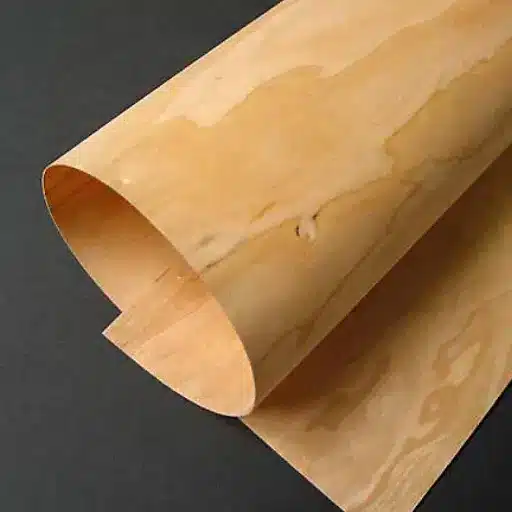
The use of veneer sheets in furniture construction and cabinet making provides a budget-friendly solution which delivers the appearance of high-quality timber without needing to use actual solid wood. Artisans can use veneers to produce beautiful complex patterns which showcase the wood’s actual grain through their thin hand-crafted slices. The products function perfectly to create impressive furniture items which designers use to build dining tables and wardrobes and bookshelves because they need both visual appeal and long-lasting performance. The availability of veneer sheets extends to numerous wood species which include both rare Walnut Burl and regular Birch and Oak to provide various options that suit different design requirements.
Veneers offer a functional solution for cabinetry work which enables designers to create flawless finishes while reducing material waste. The veneer-made cabinet doors and panels maintain the attractive appearance of solid wood while their design prevents warping and cracking because they use stable backing materials. The improved stability of veneer sheets makes them ideal for kitchen and bathroom cabinets which experience swinging humidity and temperature changes. Custom veneer patterns such as book-matching or slip-matching enable designers to create elegant and eye-catching cabinet designs.
The design flexibility of veneer sheets enables their use in both contemporary and traditional home decorating styles. Modern spaces can achieve minimalistic cabinetry design through the use of veneers which feature straight grain patterns and match neutral color tones. Traditional design enthusiasts can choose Mahogany or Rosewood because these richly patterned veneers create a traditional design style that remains timeless. The latest manufacturing techniques enable customers to maintain veneers with less work because they now find it easy to preserve the natural beauty of wood materials. Furniture makers and cabinet specialists use innovative design strategies to combine veneers which results in advanced designs for functional and aesthetic woodworking solutions.
Interior Design and Wall Paneling
Wall paneling has long been a staple in interior design, offering both functional and aesthetic benefits. The system creates a sophisticated appearance because it adds three-dimensional elements which make empty walls look better. The current market offers different paneling solutions which include multiple material options that range from MDF and hardwood and metal to environmentally friendly materials like bamboo and reclaimed wood. The material selection process requires evaluation of three factors which include the wanted atmosphere and needed product strength and the chosen architectural design style which ranges from traditional to modern and minimalist. The current trend in contemporary design uses geometric patterns and 3D panels to create energetic wall designs which maintain their modern aesthetic through neat lines.
Wall panels function as decorative elements which provide additional operational capabilities. The system performs multiple functions because it provides room insulation and soundproofing and detects hidden electrical systems and structural defects. The development of wall paneling systems now includes materials which offer both moisture protection and durability making them suitable for use in areas with high foot traffic and intense humidity found in bathrooms and kitchens. Homeowners can easily improve their spaces through the use of panel systems which include simple clip-on installation mechanisms. Smart paneling systems are also emerging, with integrated technologies for sound control or LED lighting, offering exciting possibilities for homes and commercial spaces alike.
The recent increase of wall paneling in interior design matches the growing popularity of sustainable living practices. Eco-friendly manufacturing processes have become a priority for manufacturers who aim to use responsibly sourced materials while producing panels that minimize their environmental footprint. The panels use recycled materials and FSC-certified wood and they contain low-VOC finishes and biodegradable components to meet the rising need for environmentally friendly design options. Wall paneling creates visual harmony through its combination of appropriate lighting and textures which include soft furnishings and metal accents because it creates spaces that feel warm and artistic. The design industry currently uses wall paneling as an essential design component which creates visual effects through its diverse range of designs from modern to rustic.
DIY Projects and Crafts
People can express their artistic side through home improvement and crafting activities that help them relieve tension and create personal touches for their homes. DIY projects enable people to convert their thoughts into physical outcomes, starting from basic projects that involve building customized photo frames and advancing to complex projects that require assembling actual furniture. The process provides financial benefits by creating custom home designs that result in personal achievements through making unique home designs. Crafting activities enable people to find mental relaxation because their hands create complex patterns, which help them achieve their mindful state.
People who work on DIY projects now start implementing upcycling techniques, which enable them to transform various waste materials into usable new products. Designers use old wooden pallets to create sustainable and affordable coffee tables and shelving units through repurposing existing wooden pallets. People can use glass jars as home organizers and decorative lanterns through the process of transforming glass jars into functional decorative items. The use of sustainable and biodegradable materials in these projects creates waste reduction benefits while supporting international efforts to protect the environment. The innovative methods enable people to turn ordinary objects into new products, which help them reduce environmental harm by creating unique items.
The design of DIY crafts enables people to create their own projects, which can be completed by anyone with different skill levels. Beginners should choose projects that involve hand-painting plant pots or sewing simple cushion covers, while experienced crafters should learn advanced skills through woodworking and resin art. People who participate in workshops or join social media and local crafting groups to share their projects will create social connections that unite their community. People who work on DIY projects and crafts for leisure or skill development purposes can use their creative talents to build customized artistic projects that develop their technical abilities.
How to Apply Wood Veneer Sheets

Step-by-Step Application Process
- Prepare the Surface: The initial step requires you to clean, smooth, and remove all dust and debris from the surface. The surface needs sanding to remove old finishes and to fix any flaws which requires you to clean the area with a damp cloth. The area needs to be completely dry before you start the next step.
- Measure and Cut the Veneer Sheet: You need to measure the exact dimensions which you need for your wood veneer project. The veneer sheet needs to be marked according to your measurements which you will execute using a pencil and straightedge before cutting it with a utility knife or veneer saw. You must achieve precise measurements to create a sheet which fits your surface perfectly.
- Choose and Apply the Adhesive: You need to select an appropriate adhesive for your project which requires you to choose between contact cement and wood glue based on your selected veneer and surface material. The best results will occur when you follow the instructions provided by the adhesive manufacturer. You should apply a thin layer of adhesive which needs to cover both the surface and the back of the veneer sheet.
- Position the Veneer Sheet: The veneer sheet needs to be aligned with the surface edges before you down to position it. You should start at one end of the surface while pressing down the material until you reach the other end, which requires you to check that all material remains in position without any gaps or overlaps. You should use a roller or flat edge tool to apply pressure while you work.
- Trim Excess Veneer: The veneer requires you to trim excess material which extends beyond the boundary after you have completed the installation. The process needs you to operate with caution while you complete your work at a slow pace to prevent any surface or veneer damage.
- Finish the Edges: Sand the edges lightly to create a smooth transition between the two surfaces which connects to the veneer. The process requires you to use fine-grit sandpaper while you sand the surface because you must avoid sanding through the veneer layer.
- Seal the Veneer: The application of a finish which includes lacquer or polyurethane or wood sealant will protect the veneer while it improves its appearance. The step increases protective strength while it brings out the wood grain pattern which exists in its natural state. The finish requires complete drying time before you can start using or touching the item.
The following steps enable you to create a professional appearance through wood veneer sheet application.
Finishing Techniques for a Professional Look
Professionals achieve their finish on veneered surfaces through a process that combines artistic skill and scientific knowledge because they need to observe each detail and follow the correct procedures. The procedure requires the application of a sealing agent to the veneer before workers start sanding between finish coats to create an even and smooth surface. The process requires using 320 to 400 grit fine-grit sandpaper while sanding wood surfaces by following the wood grain pattern. The process removes both defects and dust particles which results in an ideal polished outcome. The process needs complete surface cleaning after each sanding session because any remaining dust particles will become trapped in the following layers.
The process requires selecting the appropriate finish to create the intended visual effects. The application of multiple lacquer or polyurethane coats requires sanding between each coat to achieve a high gloss finish which provides maximum visual transparency and depth. Oil-based finishes penetrate wood surfaces to enhance their essential hues, which creates a traditional warm effect. The drying process of water-based finishes creates an environmentally friendly option because they dry quickly while maintaining the original color of the veneer without developing yellow stains. The combination of oil base finishes with water-based topcoats creates a product that combines both strength and visual appeal.
A final protective wax layer provides both a luxurious touch and improved protection for the finish, which results in longer-lasting results. Wax creates a light sheen which protects against moisture and small scratches. After applying the product, you must use a soft cloth without lint to buff the surface until it reaches a smooth and shiny finish. Your ability to use finishing techniques will help you create superior veneered pieces because they will produce results that last for years while maintaining their visual appeal.
References
-
Experimental Research on Mechanical Properties of Laminated Poplar Wood Veneer/Plastic Sheet Composites
It explores the mechanical properties of wood veneer and plastic composites. -
Forming of Woodfibre Composites and Veneer Sheets
This research discusses the thermoforming of softened veneers and their anisotropic properties. - Click here to read more.
Frequently Asked Questions (FAQ)
Q: What are wood veneer sheets and how are they made?
A: Wood veneer sheets are thin wood slices which manufacturers produce by cutting logs with a lathe or through slicing methods. These wood slices function as protective coverings for particle board and fiberboard surfaces. The wood veneer sheets are available in multiple species which include white oak and ash and poplar. Some veneers are reconstituted or made from blocks and reassembled in a specific sequence to provide consistent grain and yield. The industry standard for paper backed veneer uses 2-ply construction which involves applying a paper backer or cloth to produce a sheet that remains stable and free from bubbles during shipping and resurfacing work.
Q: What is the difference between paper backed veneer and standard wood veneer sheets?
A: Paper backed veneer has a paper or paper-backed backer adhered to the thin wood face to provide extra support and easier handling during application; standard, unbacked wood veneer sheets are thinner and more flexible. The installation process becomes easier with paper backed veneer on particle board and fiberboard because it decreases wobble during glue-up and results in an affordable bubble-free finish when 3M™ contact cement is used as an adhesive.
Q: Can I use wood veneer sheets to reface furniture and cabinets?
A: Yes, wood veneer sheets serve as an optimal material for furniture and cabinet refacing because they deliver solid wood appearance at lower expenses while generating less material waste. For best results use compatible backers and adhesives, ensure the substrate (particle board or fiberboard) is smooth, and select the right thickness (10 mil or similar) and species — domestic options like poplar, white oak, and ash are commonly used in wood veneer packs for consistent matching across doors and panels.
Q: How do I choose the right species and grain sequence for veneer matching?
A: When selecting wood veneer sheets, choose species and grain sequence based on your aesthetic and yield needs; bookmatching and quarter slicing create different sequence patterns and visual effects. For consistent panels, request matched wood veneer packs or ordered sequence cuts, especially for natural features like burls or pronounced grain in white oak. The desired appearance can be achieved through dye application and finishing methods which either strengthen or diminish the visibility of wood grain.
Q: What are common backing options and thicknesses for wood veneer sheets?
A: The backing options available for wood veneer sheets include paper and cloth and 2-ply systems. DIY projects and commercial applications both benefit from the widespread use of paper backed veneer. The thickness of veneers ranges from 0.5 mm to 10 mil which serves as the standard measurement for heavier-duty applications. The backer material and thicknesses selected for the sheets determine their handling characteristics and yield and flexibility, which affects their ability to cover edges and be used on block substrates and lathe-produced cores.
Q: Are wood veneer sheets economical compared to solid wood?
A: Wood veneer sheets function as a cost-effective substitute for solid wood because they enable extensive coverage from a small quantity of premium timber, which results in better material usage and decreased expenses. The usage of veneers on particle board and fiberboard enables manufacturers to produce stable furniture which maintains an affordable price while displaying the appearance of domestic and exotic wood species. The purchase of wood veneer packs combined with effective sequence cutting techniques leads to decreased material waste and financial savings.
Q: How should I handle shipping, storage, and preparation of veneer packs?
A: Wood veneer sheets need to be shipped and stored in a position which requires them to be packed horizontally with protective materials that include paper or board, to stop both bending and water damage. The majority of suppliers provide wood veneer packages that come already packaged for distribution. Veneer should acclimate before glue-up while proper storage needs to maintain a stable environmental condition with moderate humidity to prevent warping.