
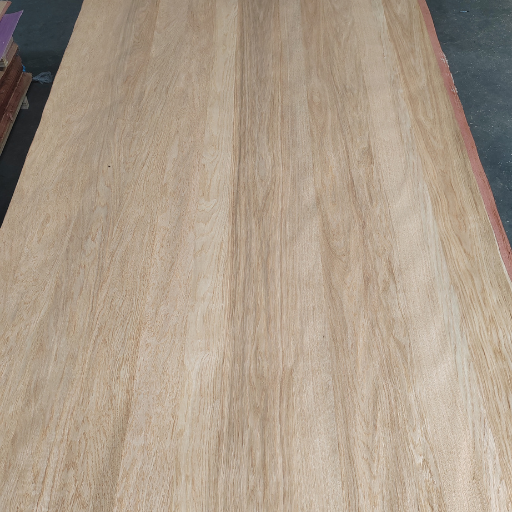
What is Plain Sliced Veneer?
Plain sliced veneer, also known as flat cut or crown cut, is created using a precise slicing method that produces one of the most recognizable and beloved grain patterns in woodworking. Plain sliced veneer highlights natural wood cathedrals and straight grain segments, delivering classic aesthetics in oak, maple, walnut, and mahogany; plain sliced veneer produces broad, mirror-like flake patterns that emphasize the tree’s growth rings and provide a warm, timeless appearance for furniture, cabinetry, wall panels, and architectural millwork.
Why Choose Plain Sliced Veneer?
Stunning Visual Appeal
The cathedral grain pattern creates a natural focal point that adds depth, character, and visual interest to any surface. Each piece tells a unique story through its natural variation.
Superior Cost-Effectiveness
Achieves higher yield per log compared to quarter or rift slicing, making it more affordable while maintaining premium quality. Save 30-40% compared to other cutting methods.
Extensive Species Selection
Available in 50+ wood species including oak, maple, walnut, cherry, sapele, ash, teak, mahogany, and exotic options. Match any design aesthetic from rustic to contemporary.
Unlimited Applications
Perfect for furniture, cabinetry, architectural millwork, wall panels, doors, ceilings, and custom woodworking. From residential to high-end commercial projects.
Easy Workability
Accepts stains, dyes, and finishes exceptionally well. Ideal for matching existing woodwork or creating custom colors. Simple to cut, trim, and install with proper techniques.
Sustainable Choice
Uses less wood than solid lumber while providing the same beautiful appearance. Responsible forestry practices ensure environmental stewardship for future generations.
Technical Specifications
Detailed product specifications for professional applications
| Specification | Details |
|---|---|
| Product | Plain Sliced (Flat Cut) Natural Wood Veneer |
| Cutting Method | Sliced parallel to the center of the log, creating the distinctive "cathedral" or "arch" grain pattern. |
| Grain Pattern | Features a prominent, repeating cathedral or looped grain pattern. The appearance is varied and classic, showcasing the natural growth of the tree. |
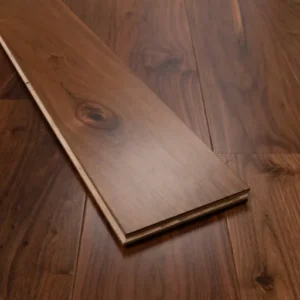
| Available Species | Oak (Red & White), Walnut, Maple, Cherry, Ash, Birch, and other domestic and exotic hardwoods. |
| Standard Sheet Sizes | 4' x 8' (1220mm x 2440mm). Other sizes such as 4' x 10' and custom dimensions are available upon request. |
| Standard Thickness | 0.6mm (approx. 1/42"). Thickness can range from 0.4mm to 3.0mm based on species and project requirements. |
| Backing Options | - 10mil Paper-Backed: For flexibility and standard applications. |
| - 20mil Paper-Backed: For increased durability. | |
| - Wood-on-Wood (2-ply): For maximum stability and strength. | |
| - Phenolic-Backed: For superior rigidity and moisture resistance. | |
| - Peel & Stick (PSA): For easy, self-adhesive application. | |
| Finishing | Typically supplied unfinished (raw). Can be stained, painted, or finished with lacquer, varnish, or oil to meet design needs. |
| Moisture Content | Kiln-dried to an industry standard of 8% - 12% to ensure stability and prevent warping or cracking. |
Custom Options
Plain Sliced Veneer Applications

Furniture Manufacturing
Plain sliced veneer is a cornerstone of the furniture industry. The distinct, repeating grain provides a beautiful and high-end finish without the cost or weight of solid wood.
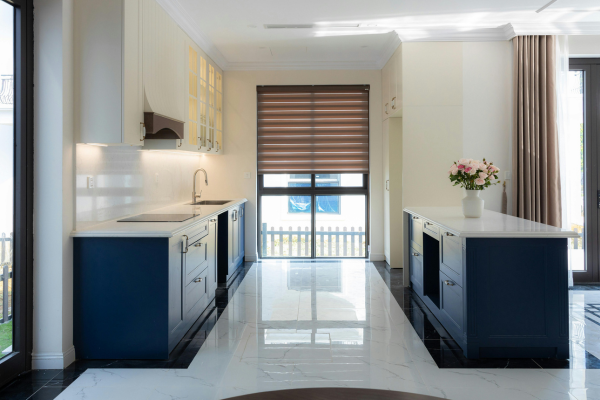
Custom Cabinetry
In both residential and commercial settings, plain sliced veneer is a top choice for cabinetry. It offers a consistent and classic wood look for kitchens, bathrooms, offices, and retail spaces.
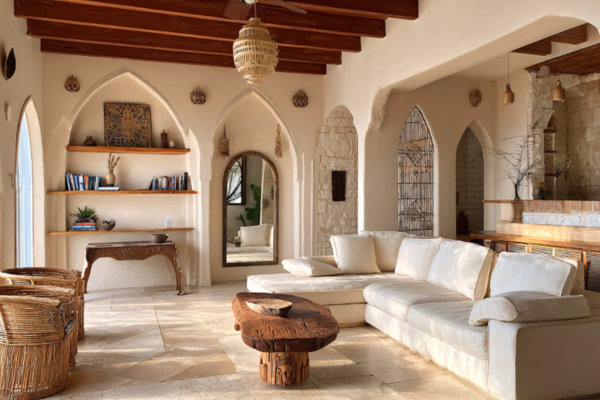
Architectural Millwork and Interior Design
Architects and designers frequently specify plain sliced veneer to create impactful and cohesive interior environments. Its ability to cover large surfaces with a consistent pattern is invaluable.
Plain Sliced vs. Other Cuts
Understanding the differences helps you choose the right veneer for your project
| Feature | Plain Sliced | Quarter Sliced | Rift Cut | Rotary Cut |
|---|---|---|---|---|
| Grain Pattern | Cathedral/Wave | Straight with Flakes | Straight Stripes | Broad Grain |
| Cost | Moderate | Higher | Highest | Lowest |
| Yield per Log | High | Medium | Low | Highest |
| Visual Appeal | ★★★★★ | ★★★★☆ | ★★★★☆ | ★★★☆☆ |
| Best For | Furniture, Cabinets | Oak with Flakes | Oak without Flakes | Commercial Panels |
When to Choose Plain Sliced Veneer:
From Forest to Your Workshop
From Forest to Finished Product – Understanding How Plain Sliced Veneer is Made
Log Selection
Premium logs are carefully selected from sustainably managed forests, inspected for quality, grain pattern, and color consistency.
Log Preparation
Logs are cut into halves, thirds, or quarters (flitches) and steamed or boiled to soften the wood fibers for optimal slicing.
Precision Slicing
The flitch is mounted on a specialized slicing machine that cuts thin sheets parallel to the log’s length, creating the signature cathedral pattern.
Drying & Grading
Veneer sheets are carefully dried, then graded based on color, grain, and quality. A-grade represents the highest quality with minimal defects.
Backing Application
Selected veneer is bonded to various backing materials (paper, phenolic, PSA) based on intended application and customer requirements.
Quality Control
Final inspection ensures every sheet meets strict standards for thickness, moisture content, and aesthetic quality before shipping.
What Our Clients Say
“The plain sliced walnut veneer we used for our recent hotel lobby project was exceptional. The cathedral grain was consistent and created a stunning feature wall. Our clients are thrilled with the high-end look.”

Maria Garcia
Lead Interior Designer
“I’ve been building custom furniture for over 20 years, and the quality of this plain sliced oak veneer is top-notch. It was easy to work with, applied beautifully, and the final piece looks fantastic. Highly recommend.”

David Chen
Custom Furniture Maker
Frequently Asked Questions (FAQs)
Gain deeper insights into engineered wood veneer with these comprehensive answers to common technical and project-related questions.
What is the difference between plain sliced and flat cut?
Plain sliced and flat cut are the same thing – just different names for the same cutting method. It’s also sometimes called crown cut. All three terms describe veneer cut parallel to the length of the log to create cathedral grain patterns.
How do I apply plain sliced veneer?
Application method depends on the backer type. Paper-backed veneer requires contact cement or wood glue. PSA (peel & stick) veneer has adhesive pre-applied – just peel and apply to a clean, smooth surface. Always acclimate veneer to your workspace for 48-72 hours before installation.
Can plain sliced veneer be stained?
Yes! Plain sliced veneer accepts stains and finishes exceptionally well. This makes it ideal for matching existing woodwork or creating custom colors. The cathedral grain pattern becomes even more pronounced with staining.
What size sheets are available?
Common sizes include 2’x8′, 4’x8′, and 4’x10′ sheets. Some species and backers are available in custom sizes. Contact us for specific availability based on your wood species and project requirements.
Is plain sliced veneer real wood?
Absolutely! Plain sliced veneer is 100% real wood – thin slices of actual hardwood permanently bonded to a backing material. Each sheet displays the natural grain, color variations, and character of genuine wood.
Is plain sliced veneer a sustainable or environmentally friendly option?
Yes, it is an excellent sustainable choice. The veneering process maximizes the use of a single log, producing many more square feet of surface coverage than solid wood lumber. This reduces waste and allows a single tree to go much further. For the most eco-conscious projects, look for options with FSC® (Forest Stewardship Council) certification, which ensures the wood comes from responsibly managed forests.