
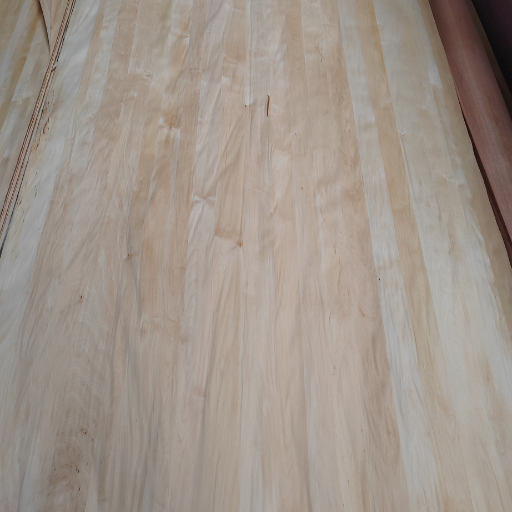
What is Birch Plywood?
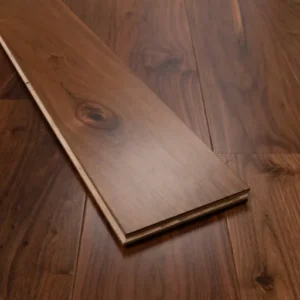
Engineered wood veneer mimics premium species with man-made consistency at scale. Manufacturers take fast-growing or abundant hardwood and softwood resources, bond and dye them, and recombine them to imitate premium wood species such as walnut or other hardwood veneer looks. Because the material is engineered, it can deliver uniformity across large installations, making it ideal for wood veneer flooring, plywood faces, and wood veneer panels. While it is not solid wood or solid hardwood, it preserves the look and feel of real hardwood at scale. Brands like Mikasa Decowood Veneers showcase engineered veneer sheets that align color, grain, and texture for predictable results in both residential and commercial projects.
Characteristics of Birch Plywood
Exceptional Strength
Birch plywood offers superior strength-to-weight ratio with tensile strength up to 140 MPa, making it ideal for structural applications and high-stress environments.
Beautiful Grain Pattern
Features fine, uniform grain with minimal voids and defects. The smooth, pale surface accepts stains and finishes beautifully, providing a premium aesthetic for any project.
Easy to Work With
Machines smoothly without splintering, holds screws exceptionally well, and produces clean edges when cut. Perfect for precision woodworking and detailed craftsmanship.
Sustainable Choice
Sourced from responsibly managed forests with FSC certification. Birch trees grow relatively quickly, making this an environmentally conscious material selection.
Dimensional Stability
Resists warping and shrinking with moisture content maintained at 8-12%. Excellent stability across varying temperature and humidity conditions.
Consistent Quality
Every sheet undergoes rigorous quality control. Minimal defects, uniform thickness, and consistent density ensure predictable performance for every project.
Technical Specifications
Detailed product specifications for professional applications
| Material Composition | 100% Baltic Birch (Betula pendula) cross-laminated veneers |
|---|---|
| Density | 680-720 kg/m³ (42.5-45 lbs/ft³) |
| Tensile Strength | 100-140 MPa parallel to grain, 40-70 MPa perpendicular |
| Bending Strength | 85-130 MPa (modulus of rupture) |
| Modulus of Elasticity | 10,000-14,000 MPa |
| Available Thicknesses | 3mm, 6mm, 9mm, 12mm, 15mm, 18mm, 21mm, 24mm, 30mm |
| Standard Sheet Sizes | 1220mm x 2440mm (4' x 8'), 1525mm x 1525mm (5' x 5'), Custom sizes available |
| Moisture Content | 8-12% (kiln-dried for optimal stability) |
| Number of Plies | 3-21 layers depending on thickness (always odd number) |
| Glue Type | E1 grade low-emission phenol-formaldehyde or urea-formaldehyde |
| Face Grade | B/BB or B/C grade faces with minimal knots and defects |
| Core Construction | Void-free veneer core with cross-grain orientation for maximum strength |
| Surface Finish | Smooth sanded to 120-150 grit, ready for finishing |
| Fire Rating | Class C (untreated), Class A available with fire-retardant treatment |
| Thermal Conductivity | 0.15-0.18 W/(m·K) |
| Screw Holding Strength | Face: 1,400-1,800 N, Edge: 1,200-1,600 N |
| Environmental Standards | FSC Certified, CARB Phase 2 compliant, E1 emission standards |
Custom Options
Birch Plywood Applications & Uses
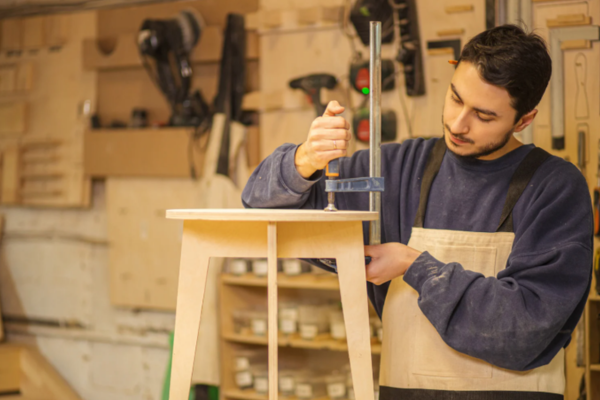
Commercial Interiors
Tables, chairs, cabinets, shelving units, and custom furniture pieces that demand strength and beauty
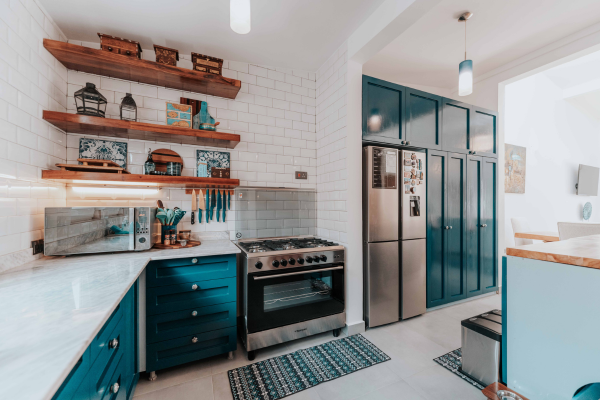
Interior Design
Wall paneling, decorative screens, room dividers, ceiling treatments, and architectural millwork
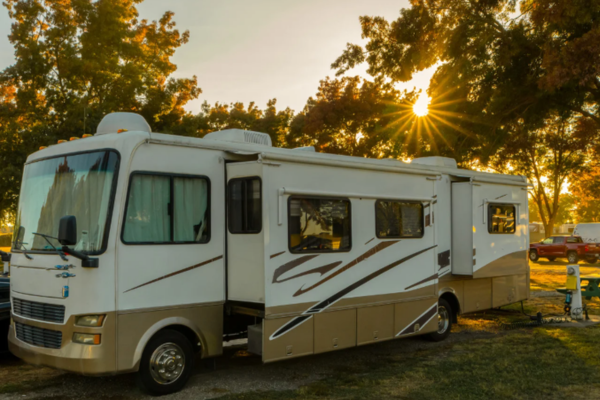
Van & RV Conversions
Lightweight yet strong material for custom vehicle interiors, cabinetry, and panels
Why Choose Us for Your Birch Plywood Needs
From Forest to Your Workshop
Our engineered wood veneer production is distinguished by precise process control and rigorous quality standards, ensuring the highest performance at every stage.
Log Selection and Preparation
High-quality birch logs are carefully selected based on size, grain, and overall quality.Logs are debarked to remove the outer layer, ensuring a clean surface for processing.
Peeling or Slicing
The logs are softened by steaming or soaking in hot water to make them pliable.They are then peeled into thin sheets of veneer using a rotary lathe or sliced for specific grain patterns.
Drying the Veneers
The thin veneer sheets are dried in large industrial dryers to remove excess moisture.Proper drying ensures dimensional stability and prevents warping or cracking.
Grading and Sorting
Veneers are graded based on their appearance, grain quality, and thickness.Higher-grade veneers are used for the outer layers, while lower grades may be used for the core.
Core Assembly
The core is constructed by layering veneers in alternating grain directions (cross-laminating) to enhance strength and stability. Common core types include veneer core, MDF core, or plywood core, depending on the application.
Glue Application
A strong adhesive, such as phenol-formaldehyde or urea-formaldehyde resin, is applied between the veneer layers.The glue ensures a durable bond and contributes to the plywood’s structural integrity.
What Our Clients Say
“We’ve been using this birch plywood for our custom furniture line for three years now. The consistency is remarkable – every sheet machines beautifully, and the finish quality is exceptional. Our clients constantly compliment the natural beauty of the wood grain. Worth every penny.”

Michael Chen
Owner, Artisan Furniture Co.
“As a cabinet maker for 20 years, I’m picky about materials. This birch plywood has become my go-to choice. It holds screws incredibly well, doesn’t splinter when cutting, and the void-free core means no surprises during construction. My clients love the smooth finish.”

Sarah Martinez
Master Cabinetmaker
Frequently Asked Questions (FAQs)
Gain deeper insights into engineered wood veneer with these comprehensive answers to common technical and project-related questions.
How does birch plywood compare to other wood plywood types?
Compared to softwood plywood like pine, birch plywood is denser, stronger, and more stable with a finer grain and smoother face. Versus other hardwoods such as oak or maple plywood, birch is usually more uniform and often less expensive, while providing excellent machinability and a superior surface for veneers, paints, and laminates.
What wood grades are available for birch plywood and which should I choose?
Birch plywood comes in various face grades, commonly A, B, C, and D. A-grade faces are smooth, free of knots, and ideal for visible furniture and finishes; B-grade may have minor repairs; C and D are suitable for structural or concealed uses. Choose A or AB for fine wood furniture and cabinetry, and lower grades for substructures or where cost is a priority.
Which wood thicknesses and sheet sizes does birch plywood come in?
Birch plywood is available in multiple thicknesses, typically from 1/8″ (3mm) up to 3/4″ (18mm) and thicker for specialty uses. Standard sheet sizes include 4×8 feet (1220×2440 mm), with smaller panels or cut-to-size options available from retailers. Select thickness based on load requirements and joinery methods in your wood project.
Is birch plywood durable and water-resistant for wood applications?
Birch plywood is durable and stable, but standard interior-grade birch is not waterproof. It resists bending and holds screws well, but for moisture-prone areas choose exterior-grade phenolic-bonded birch or marine-grade options with waterproof adhesives. Proper sealing, edge banding, and finishes improve moisture resistance for wood applications.
How do I finish, paint, or veneer birch plywood for wood furniture?
Birch plywood takes paints, stains, and veneers very well. For a painted wood finish, sand lightly, apply a quality primer, and finish with paint. For stains, use a wood conditioner or gel stain for more even absorption. Birch also accepts wood veneers and laminates; ensure faces are flat, sanded, and bonded with appropriate adhesives for a seamless finish.
What woodworking techniques and tools work best with birch plywood?
Birch plywood machines cleanly with saws, routers, and CNC tools thanks to its uniform veneer layers. Use carbide-tipped blades and fine-tooth blades to reduce splintering, and practice proper feed rates. For joinery, pocket screws, biscuits, dowels, and dado joints all perform well; always clamp and pre-drill as needed to avoid splitting the wood veneer layers.