
Walnut Veneer: American vs European Varieties Compared
When choosing a finish for your furniture, cabinetry, and other interior design elements, walnut veneer may be one of the most beautiful and versatile products available. One of the most important questions when working with walnut veneer is whether it will be American or European walnut. Each of these types of walnut veneer has unique characteristics, so it is important to know them before making a decision. This article will provide an analysis of the American and European walnut veneers, including a comparison of their respective looks, strengths, and potential applications. This guide will help you choose the appropriate type of walnut veneer depending on your needs, whether you are a professional designer or someone who enjoys do-it-yourself projects.
Introduction to Walnut Veneer
What is Walnut Veneer?
Walnut veneer is a thin natural wood sheet obtained from walnut trees and is best known for its rich dark brown colours and detailed grain patterns. This type of wood is frequently used in furniture, cabinet making and interior design and is valued for its luxurious appearance and sustainable nature. Walnut veneers are formed by cutting thin sheets of wood from a log and attaching that sheet to a base material, such as plywood, MDF or particleboard. This process helps to ensure that no wood is wasted while preserving all the authentic characteristics of walnut and its elegance.
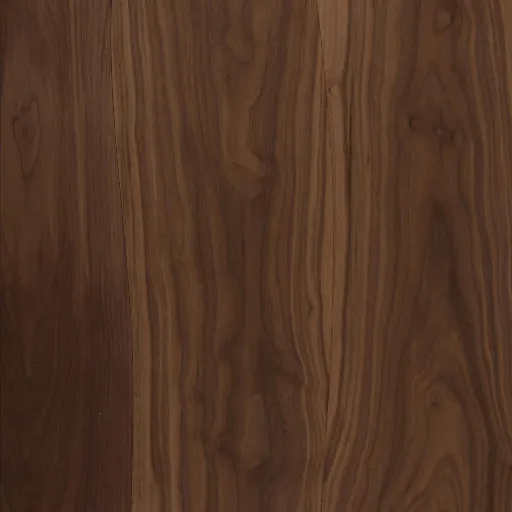
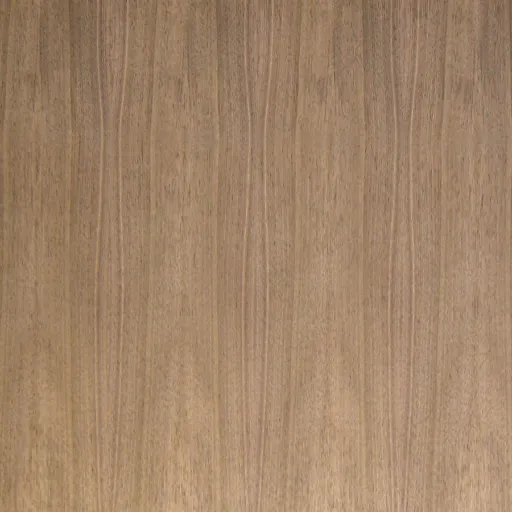
American walnut veneers, mostly produced from black walnut (Juglans nigra), are highly regarded for their uniformity of colour and fine grain, which may range from a light brown to a dark chocolate brown hue; however, European walnut veneers, which are produced from a number of different species including Juglans regia, are often characterised by a lighter warmer colour and more apparent wavy grain patterns. Both kinds of veneer are considered premium quality and are used in top-of-the-line designs. Each type of walnut veneer has a separate look, enabling their versatility in accordance with individual design tastes.
Importance of Quality in Walnut Veneer
Walnut veneer is an important component of the overall performance and appearance of any finished piece of walnut furniture. It has been determined that premium-grade walnut veneers have consistent grain patterns, rich colors, and resilient properties. Performance with premium-grade veneers will not diminish over time, but inferior-quality veneers may become damaged quickly, causing both functional and aesthetic problems with the finished product.
Recent data on the walnut veneer market has shown that a global emphasis on quality control in the walnut veneer industry is essential to promote sustainability and support environmentally friendly growth within the industry. Data also indicates that the use of high-quality veneers will improve customer satisfaction by 15-20% for most furniture brands. Furthermore, data shows that top-grade walnut veneers represent 60-70% of the overall revenue generated by the walnut veneer industry, which suggests a high demand for quality products.
Overview of American vs. European Walnut
1. Visual Effects
American walnut (also known as Black Walnut) is the dark variety of walnut, ranging in colour from a rich brown hue to an intense Chocolate brown, frequently accompanied by a hint of purple. This wood type typically has a straight grain, although wavy and/or curly grain patterns are available for decorative use. European walnut has a light brown or uniform brown tone to its grain; this colour can be accompanied by greyish streaks. In addition, European walnut grains are typically irregular and complicated in pattern.
2. Hardness/Durability
The Janka scale gives American walnut a hardness rating of approximately 1010 lbf, making it a little less dense than most other hardwoods, but it is very workable and durable; very easy to work with and capable of standing up to wear over time. The hardness rating for European walnut is approximately 940 lbf, which makes it a little less dense than American walnut; however, it is still durable for use in making fine furniture and veneers. Because of its softer texture, European walnut is more easily carved and detailed than American walnut.
3. Growth/Sustainability
American walnut grows primarily in temperate climates, mainly in the central and eastern United States; it includes an increased emphasis on sustainable forestry practices. European walnut is native to Europe and parts of Asia; it thrives in a wider range of climates than American walnut, but often it takes a longer time for European Walnut to grow, resulting in a limited supply compared to American walnut. There is a possibility that the difference in supply would affect the pricing or availability of both varieties of walnut.
4. Uses/Trends
American Walnut is highly sought after for the construction of furniture, cabinetry and veneers in the USA and around the world; it’s valued for its rich and luxurious looking appearance that blends well with both modern and traditional designs. Due to its warmth and lighter tone, European Walnut is found more often in high-end furniture and decorative pieces than in their traditional/classical styles, as well as in minimalist styles. Recent trends indicate that the growing interest in sustainable materials has created increased interest in ensuring that both types of walnuts were produced using environmentally friendly methods.
Characteristics of Walnut Veneer

Visual and Textural Qualities of Walnut Veneer Sheets
Walnut veneer sheets are considered one of the most beautiful types of veneers, thanks in large part to their incredible visual and tactile qualities. They are a common material for use in the design of furniture and interiors. Walnut veneer is made from thin slices of walnut lumber; during the manufacturing process, the natural grain and colour variation is preserved.
Walnut veneer produces unique visual qualities depending on its place of harvest. For instance, North American walnut produces deep, rich, chocolate-brown colour tones with lighter colour streaks throughout; whereas European walnut tends to produce a warmer, honey-brown colour, featuring an intricate and elegant grain pattern typical of Love in Winter furniture styles.
Walnut veneers generally present a smooth texture, with a fine grain that can greatly enhance its appearance with polishing and finishing processes. This enables designers to create a rich and timeless look using walnut veneer. Recent studies indicate that engineered walnut veneer is becoming increasingly popular due to its consistency and its highly sustainable manufacturing process. In fact, market research conducted in 2023 indicates that the global veneer market is projected to grow at a compound annual growth rate (CAGR) of roughly 4.5% from 2021 to 2028, with walnut veneer as a key contributor to this growth primarily due to its beauty and versatility.
Characteristics of a Quality Walnut Veneer
When looking for a quality walnut veneer, there are several key attributes and factors that should be considered to ensure that you achieve the highest quality results possible in your projects. The first consideration is the overall thickness of the veneer. High-quality walnut veneers will generally have a uniform thickness typically between .5mm and 1mm. A thicker veneer provides better durability and workability, making them better suited for many applications, including veneer installation.
Next, you should evaluate the grain pattern and the consistency of the colour. Ideally, high-quality walnut veneers will have distinct, defined grain patterns combined with even distributions of colour. You may notice that many premium walnut veneers will also contain a hint of purple or reddish tones combined with their deep, rich brown colours. Some consumers may choose to purchase quarter-sawn walnut veneers for their lighter grains or may choose a burl walnut veneer for its attractive swirled grains.
It is also necessary to ensure the quality of the production of the veneers, as high-end veneer sheets will be free from many surface defects such as cracks, knots or voids that could adversely affect both appearance and function. Look for a manufacturer or a supplier with a proven history in the industry and who has obtained certifications such as Forest Stewardship Council® (FSC®) or Program for the Endorsement of Forest Certification™ (PEFC™), to ensure that the material you are purchasing was responsibly sourced and manufactured to meet stringent environmental standards.
Applications of Walnut Veneer

Using Walnut Veneer in Interior Design
Furniture making
Walnut veneer is a type of wood veneer used to make furniture. Furniture that uses walnut veneers is very similar to Furniture using solid wood and often consists of a cabinet, wardrobe, and table. Because walnut veneers are very lightweight compared to solid woods, it is easier to work with.
Accent and wall paneling
The addition of walnut veneer on your Wallpaneling or accent features creates a unique way to bring warmth and depth to your interior. Veneered wallpanels create a focal point in livingroom or office spaces, as well as hotel lobbies. Research shows that adding natural wood to your home, like walnut, has been associated with better health and indoor air quality, which fits in with today’s growing Biophilic designs.
Kitchens and Bathrooms
Walnut veneer is now seeing a place in modern and timeless kitchen and bathroom designs. The UV-finished veneered products are designed for years of service in high-humidity environments since they are also highly durable. Industry reports indicate there has been a 12% increase in the utilization of walnut veneer within custom cabinetry and vanity applications over the past 12 months, as people look to combine their functional and stylish cabinets and vanities.
Eco-Friendly and Sustainable Options
In addition to its benefits related to aesthetics and functionality, walnut also supports environmentally sustainable design, as it allows the use of veneer, therefore reducing the need for solid wood usage and conserving natural resources. Studies conducted regarding environmentally sustainable designs indicate that engineered veneers such as walnut veneer can reduce the amount of solid wood waste by up to 80%. Thus, walnut is a responsible option in terms of environmentally responsible designs.
DIY Projects with Walnut Veneer Sheets
1. Upcycling Furniture
Walnut veneer sheets can be used to create and restore furniture. There are many simple ways to take advantage of a, typically an old table, cabinet or shelf to create a fresh, modernised version using wood products. In the past year, reclaimed wood and mid-century modern interior design styles have gained approximately 30% more popularity, as home owners search for the latest trends. A walnut veneer, which is a thin piece of walnut wood, is an economical way to recreate the style of a mid-century modern piece of furniture, and is less expensive than purchasing a solid walnut wood piece.
2. Walnut Veneer Accent Walls
Walnut veneer sheets are great for adding visual interest to bland and large wall spaces with their unique grain patterns and rich colour. When layered with an engineered, oversized walnut veneer sheet (up to 4′ x 8′), the minimal visible seam-line allows you to create a seamless look and feel, combined with LED lighting below the walnut veneer highlight the incredible beauty of the walnut wood grain.
3. Custom Shelving
Walnut veneer shelving can be custom-made to fit your specific shelving needs and styles. The combination of plywood and walnut veneer create beautiful, sturdy and lightweight shelving units for your home. The elegant look and feel of walnut veneer shelving will elevate and enhance kitchen organisation projects, as well as organisation of master and guest bedroom spaces.
4. Crafts and Mini Accessories
Miniature and small-scale DIY craft projects are a great opportunity for using walnut veneer, including picture frames, pen holders and jewellery boxes. With the flexibility of the thin veneer sheets, you can create many intricate patterns and designs. Recently, there has been a rise in the use of laser technology in combination with online glass-cutting tutorials to provide more precise geometric shapes with walnut veneer sheets.
Installation Tips for Walnut Veneer
Preparing Surfaces for Walnut Veneer Application
Surface Preparation
Start cleaning all contaminates from the surface of the material to be laminated. Use detergent and water to perform this cleansing operation, and then allow the cleaned material to fully dry. Then, with the use of very fine sandpaper (220 to 320 grit), sand the surface of the material until it is smooth and uniform in texture; any irregular surface is likely to show through the veneer after installation.
Fill and Repair any Defects
When cleaning the material, look for any voids, splits, or imperfections on the surface that need to be repaired. Use a wood filler or putty to fill these areas before sealing the surface with glue. If you need to repair a defect, sand the repaired area with a fine-girt sander to maintain a consistent texture.
Primer Coat
Initial coats of primer should be applied to certain types of materials, such as MDF, plywoods, etc. A primer coat is necessary to help create a solid base for the veneer and allow for proper adhesion. Be sure to select a primer designed for the type of material being veneered. Primer must be fully dry before applying the veneer.
Moisture Content
The optimal moisture content range for wood-based products is between 6 and 8% to create a proper bond with adhesive. If your wood product is above this moisture content, it may weaken the adhesive bond. Use a moisture meter to check the moisture content, if necessary.
Cutting and Sizing Walnut Veneer Sheets
Cutting and sizing walnut veneer sheets accurately is essential in creating a professional and seamless finish. Before cutting any veneer sheets, it is very important to take precise measurements for each dimension needed; taking the time to verify your measurements will prevent any waste from occurring during the cutting process.
When cutting walnut veneer sheets, it is recommended by the industry to cut the veneer slightly larger than the substrate (the base material you will be applying the veneer onto). This will give you a clean edge when trimming back the veneer once it has been placed onto the substrate. For example, professionals typically leave about 1/8 inch of overhang on the edges of the veneer, which can then be trimmed back later after the veneer has been adhered to the substrate.
Before beginning to cut a piece of walnut veneer, make sure to secure the veneer in place and stabilize it to prevent movement while cutting it; this will help produce a clean cut. Having a straight edge or a guide to cut along will help you create clean, straight edges when cutting walnut veneer. If using power tools (e.g., table saw or CNC), make sure the tools and cutting speeds are appropriate for cutting thin walnut veneer. High-speed cutting (or using blades not designed for cutting thin wood), may result in an uneven cut or chip.
Maintenance and Care of Walnut Veneer

How to Clean and Maintain Walnut Veneer
Proper maintenance is a must for walnut veneer to keep its nice and durable appearance through a long time. In cleaning walnut veneer, initially, you have to use a soft, dry microfiber cloth to delicately remove dust and other small particles. In case a deeper cleaning is needed, use a damp cloth that was only slightly moistened with lukewarm water combined with a few drops of mild dish soap. Do not soak the veneer since too much moisture can spoil the wood finish and also weaken the adhesive layer underneath.
You can remove really difficult stains by using a small amount of white vinegar mixed with water, but it is a must to do a patch test first on a hidden spot. Do not use abrasive cleaners, wax-based furniture polishes, or ammonia-based products as these can damage the finish and result in discoloration or scratches.
For veneer maintenance, the room’s humidity should be kept at a level of 30%-50% since extreme conditions of dryness or humidity can lead to warping and cracking. It is ideal to always use felt pads on the floor under furniture to avoid scratches and never place hot or wet items directly on the surface of the veneer. If maintained properly, walnut veneer can keep its beauty and utility for a long time.
Protecting Your Walnut Veneer from Damage
Taking proactive steps to protect Walnut veneer from potential damage will preserve the aesthetic beauty and longevity of your Walnut veneer. The most significant factor in fading and discoloration of Walnut veneer is direct sunlight. The UV rays from the sun will degrade the protective coating on the finish over time causing the Walnut veneer to lose its natural grain and beauty. One of the best means to protect Walnut veneer from the damaging effects of UV rays from the sun is to use window treatments to block UV rays, such as curtains, blinds, or UV-blocking film.
The temperature and humidity of an environment are equally as important as sunlight in protecting Walnut veneer. Ideal and proper environmental conditions for Walnut veneer would consist of a temperature range of 60°F-80°F (20°C-27°C) and a relative humidity level of 30% – 50%. Keeping the room conditions outside of this temperature and humidity range could potentially cause the Walnut veneer to warp, swell, or crack. A hygrometer can be used to monitor the environment’s humidity level and you may use a humidifier or dehumidifier to control the humidity level as well.
Physical wear and tear on Walnut veneer should also be protected against in addition to protecting against damage from sunlight or improper humidity levels. Always ensure to place felt pads under decorative items i.e. lamps or other ornaments placed on top of your Walnut veneer to avoid scratching to the finish. When hot or wet items are placed on Walnut veneer ensure that the item is placed on a coaster, a protective layer, between the hot item and the surface of the Walnut veneer.
Reference Sources
-
Population Structure of Geosmithia morbida, the Causal Agent of Thousand Cankers Disease
- Key Findings: This study discusses the impact of Geosmithia morbida on black walnut trees, which are highly valued for their use in cabinetry, gunstocks, and veneer. It highlights the ecological and economic importance of black walnut wood.
- Methodology: The research analyzed the population structure of the pathogen affecting black walnut trees, using genetic and ecological data.
- Read the study
-
Growth-Quality Evaluation of Black Walnut Wood: Part III – An Anatomical Study of Color Characteristics of Black Walnut Veneer
- Key Findings: This study focused on the anatomical and color characteristics of black walnut veneer, analyzing how cellular structures influence its aesthetic and functional qualities.
- Methodology: The research involved microscopic analysis of black walnut veneer samples to study cell wall color and inclusions.
- Read the study
Frequently Asked Questions (FAQs)
What exactly is wood veneer, and in what way is walnut wood veneer different?
A wood veneer is a slice of real wood that is very thin, and it is mostly sold in the form of wood veneer sheets or a roll of veneer and also, it is glued onto a substrate like plywood board to give an attractive surface. The walnut wood veneer—especially american black walnut—mostly contains dark chocolate brown heartwood, creamy-white sapwood contrasts, and cathedral pattern figures. Methods of cutting include flat cut walnut (flat cut) and quarter cut, and veneers may be supplied as flat sheets, rolls, or psa (peel and stick) stock.
What wood species should be used for walnut wood veneer projects?
The species of wood that is usually used with walnut wood veneer is american black walnut because of its color and grain. Matching backer choices and substrates can be the domestic plywood, MDF or special architectural substrates. For instruments or furniture works use veneers and substrate with the same density and stability so that the joinery is easy to work with and also the performance of the product is long-term.
How do you ship and handle walnut veneer sheets to ensure no damage occurs?
Walnut veneer sheets should be sent flat if possible to avoid curving; a lot of suppliers can do this and ship either flat or in a roll based on the size and pack. When shipping over long distances to Canada or domestic places, request protective backing, edge banding where possible, and clear labeling. If the wood is received in a roll, let the veneer get used to the flat position to avoid having curvy edges before gluing.
Are there any video resources or tutorials that show how to work with walnut veneer?
The answer is yes, there are a lot of video and veneer tutorials that show the techniques like flat cutting, matching, bookmatching and edge banding. The video guides to look for are those that cover the peel and stick (psa) walnut, using 3M adhesive for difficult applications, and where step by step veneer tutorials are taking care of backer options, sanding unfinished veneer, and cutting sheets to width.
What is the process of matching walnut veneer patterns that is the best?
To match is to pick the wood veneer sheets that are next to each other or a roll and lay them out in bookmatch, slip-match, or balance-match patterns so as to bring out the cathedral pattern or plain cut grain. Start from a flat cut walnut or quarter cut selection, conceive sapwood and heartwood transitions, and employ backer choices and glues to keep in sync during glue up for a uniform or decorative surface.