
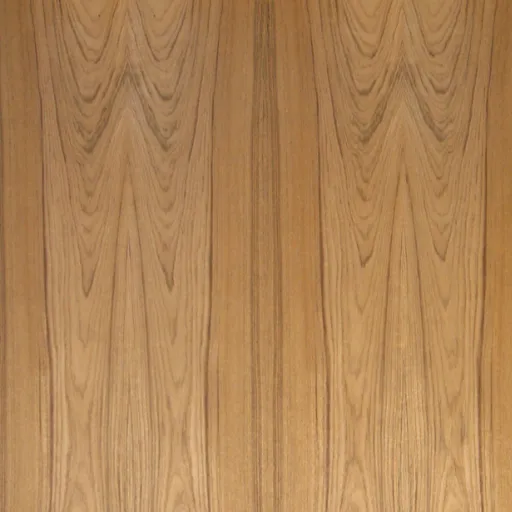
Teak Veneer Manufacturing: Sustainability and Sourcing
The enduring beauty and strength of teak veneer has ensured its relevance in the design of furniture and interior spaces. Whilst quite environmentally friendly, deforestation is a much debated topic in today’s society and concerns about the ways in which teak veneer is sourced and produced have resurfaced. This particular article explores the ways in which these issues are looked after by the teak veneer sector, and how artisans work hard to neutralize artistry with eco-sensibilities. To the practicing specialist and active user alike, it helps to be equipped with background stories because it is easier to make informed decisions.
Understanding Teak Veneer
What is Teak Veneer?
Teak veneer refers to a thin section of wood obtained from cutting a teak log and is usually adhered to another core material. The purpose in creating this product is to present the beauty and strength of the Teak hardwood in a way that employs quite little of the wood substance. Teak is a golden brown wood with a unique grain structure that keeps water as well as rotting at bay, therefore making it popular veneer for furniture, cabinetry, and interior decoration rose.
Creating such a product provides a medium for teak wood aesthetic and performance of solid wood to be realized without maximizing the use of the precious resource. Since veneers are used here, there is no need for lots of wood as is the case when making all parts using solid wood. This is an appropriate way of ensuring that the teak is reserved but at the same time enhancing its value and its other aspects.
The reason for the popularity of the teak veneer is its lovely colors and diversity, and that is why it is very popular. It can be used in different applications including home furniture and boat interiors because it is beautiful and resistant as well. There is an appeal in this type of veneer for its versatility in aesthetic value and durability and, therefore, both end consumers and designers, who are concerned with sustainable elegance, find it a suitable alternative.
Differences Between Teak Wood and Teak Veneer
Teak wood and teak veneer are different not only in their form, but also in the conditions of their use. Teak wood is a timber in its whole form, in other words, a board that has been cut from a teak tree. It is a heavy, tough and very stable wood that resists water, insects and rotting, hence it is often used for garden construction, laying down decks and the like. Teak veneer, on the contrary, is a lacquered wooden layer that covers cheaper materials or laminated boards. While it is as pleasing to the eye as real teak, it is not as strong, and is therefore used in such applications as cabinet fronts or wall claddings where appearance is more important than the strength.
Another important aspect is the price. Solid teak is rather costly as it ensures high levels of quality and more bulk materials. Teak veneer, although using the same sources more rationally, allows people to have the same design for a reasonable price. In contrast, length of life and ease in refinishing will most likely force such people to buy indeed solid teak.
Finally, maintenance is another issue that is different. Solid teak has the benefit of being able to sand and refinish over the decades for numerous times. Teak laminate, on the other hand, is difficult because the thin stress of such a toil layer definitely will not be remade so many times. As such, preference for any of the two forms depends on some factors as purpose, cost forecasts as well as expectations over time. Inasmuch as both choices exemplify the beauty of teak which is timeless, being aware of each chess piece entices making well weighted decisions.
Benefits of Using Teak Veneer
- Effectiveness in Cost: Being more affordable in most cases, teak veneer has managed to penetrate markets more effectively when compared to solid teak. The reason being since the use of a thin portion of teak over cheaper core materials gives it that expensive alluring furniture look without the sky rocketing prices thus making it cost effective for quite a number of projects.
- Weighty Creation: The associated furniture members and panel systems carry lesser weight of teak veneer than they do for the entire mass of solid teak. As such they are often viewed as better in this respect since they are easier to move around, maintain, and fix in place, especially where weights are of significance like when fixing cabinets or panels on walls.
- Environment-Friendly Material: Teak veneer minimizes the consumption of the available resources in that it does not require as much solid teak wood to produce it. This is also to minimize possible depletion of teak wood and avoid waste which is realistic in the present times.
- Design and finish versatility: The variety of designs that can be achieved using a teak veneer is much higher. It not only produces a tight grain but also can be coordinated to create a more stable structure before finishing, enabling an impressive range of designs for various types of interiors.
- Proper Care Means Long-term Use: Teak veneers, on the other hand, are sealed properly to avoid warping and cracking which ensures their permanence without any loss of aesthetic value.
Manufacturing Processes of Teak Veneer
Steps in Teak Veneer Production
- Harvesting teak wood logs: The process commences with efficient teak wood logs. As these logs are mainly obtained from plantations insisted on sustainable production for environmental consciousness, select quality logs are harvested. The logs are chosen according to their grain pattern and maturity level to guarantee homogeneity of the product.
- Log Conditioning: Once in place, the fibrous logs go through conditioned energy which will either be in the form of high pressure water or heat fanned steam. This aids to flare up or rather in making the woods less hard, more soft, and hence easy to cut without causing rough or easy-caught edges or even tear in the woods.
- Slicing or Rotary Cutting: On completion of the conditioning process, teak log blocks are ‘sliced’ veneers i.e. transformed to thin sheets of wood on special machinery. The logs’ diameter may be chopped or non-ized and shaped in certain angles so as to realize different kinds of patterns like flat-cut, quarter-cut and rotary cut as well according to one’s taste.
- Draining Out the Inner Moist Desaturation of Veneers: After slicing, the veneer sheets are then allowed to dry as a measure to prevent degradation by moisture. This is provided by square kilns or another similar apparatus for drying the structure to eliminate within plate moisture variations to increase the veneer element performance.
- Cutting, Classification and Sorting: When dry, the sheets are trimmed to a standard size and visually inspected for any defects. Additionally, the veneer undergoes sorting which is aimed at classifying the piece according to the degree of usefulness and narrowiness of application to different assignments.
- Application of Backing Layers: In order to increase the strength and viability of the veneer sheets, backing layers may be added. This process is most common when the veneer is going to be used in making furniture and panels.
- Treatment and final packing: After all the above processes, veneer sheets are sanded and finished to improve the smoothness of their surfaces as well as their appearance. When ready, the teak veneer will be wrapped and packed in a way that it will reach the manufacturer or the user in a clean form.
The process is enhanced by new manufacturing methods making it possible to produce good quality and long-lasting teak veneer for their various uses.
Technology in Veneer Manufacturing
The veneer production process has been significantly improved with the help of modern technology. The manufacturers take advantage of smart rotary lathes and slicing machines that cut wood to the specified thickness throughout, generating no waste of wood material. These instruments also use lasers for guiding purposes because they facilitate proper cutting and minimize production errors. Furthermore, the veneer sheets produced undergo quality control by the use of computerized scanners which test them for the parameters of appearance and strength.
New technologies can help eliminate many losses and mistakes associated with the processes that they perfectionize. Now it is possible to take full advantage of high-quality green timber suitable for engineering plastics. It is quite obvious that, in this case, drying and shaping operations are carried out automatically with batch-processed or continuously supplied materials. Consequently, Accurate temperature control in the manufacturing process ensures well-bonded end volume.
Progress brings not only the improvement in the properties of a veneer; efficient use of technologies also promotes sustainability. With the help of technology, there is no waste of resources in producing more veneer than is actually required and this underpins the global quest for sustainability.
Quality Control Measures
Effective quality examination is very essential to make certain the quality of veneers is up to the required industry and consumer standards. Advanced inspection systems equipped with automated scanning and imaging detection techniques are used by manufacturers to identify any defects – cracks, inhomogeneities or color deviations that may arise during production. Such systems allow real-time observation and thus, timely action can be taken in order to keep the product in line. Teak Veneer production machines utilize artificial intelligence, and machine learning models, such advancements are often helpful in improvement of grading process due to minimization of human interaction which results in better adequacy to final recipients.
Besides, stringent testing regimes are introduced at specific stages of veneer manufacture process to establish performance and reliability. These include tests on characteristics such as strength under tension, moisture, and change of shape to ensure finished veneers are capable of their use. For example, environmental testing chambers artificially reproduce hyperbaric or cold stray humidity levels for investigating the product’s growth. The inclusion of these relies on the control that products will comply with regulations, but they will be able to work under conditions which customers expect those products to function as well.
Eventually, nonetheless, quality control systems would never be complete without the prosaic aspects of record-keeping and data analysis. The particulars of every batch of teak veneer, including but not limited to, the batch number, the available raw materials, the manufacturing conditions, quality inspection records are entered in the record. Such well enhanced traceability guarantees appropriate problem diagnosis at any time thus reducing any chances of halting production for the inconveniences brought. In connection with the development of quality management techniques, these methods help manufacturers adhere and maintain standards even though there is a higher-resistant market survival especially for top and expensive veneer products.
Applications of Teak Veneer in Modern Design
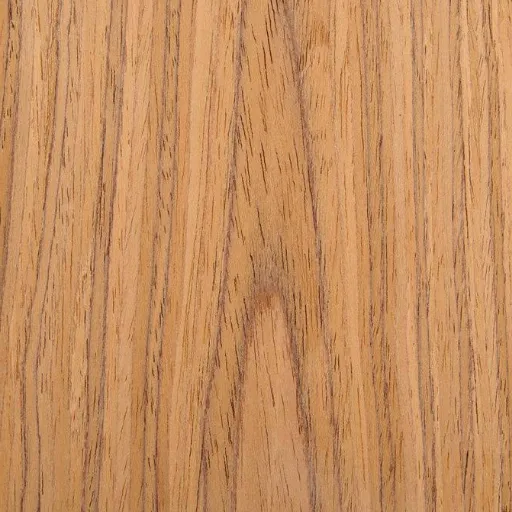
Using Teak Veneer in Furniture Making
Teak veneer has gained prominence in the furniture industry thanks to its unmatched robustness and aesthetics as well as its ecological benefits. With all its amazing characteristics as well as its gold-brown colour and vertical grain characteristics, teak veneer will certainly add classiness to any furniture, whether it be a modern table with clean sharp edges or a traditional old dresser. Moreover, there is an extra bonus of this material – it’s safe from water and bugs which means it is also quite good for external uses. It works better for veneer rather than solid wood production too because this helps to avoid over-exploitation of teak trees.
Current design aesthetics are more inclusive of teak veneer incorporation into design styles that range from minimalistic to decorative. For example, mid-century modern designed furniture consists of neat angular shapes and a clean finish, characteristics of the period, achieved by using teak veneers. Nowadays, teak veneer is not only used by top-tier brands but is also combined with other materials such as glass and metal for elegant contemporary cable designs. Teak veneers provide many design possibilities in terms of customizing the items in places using natural, dyed and stained elements or any such, including possibility to achieve particular design of an item without compromise.
Besides its looks, one of the common reasons for the use of teak veneer in the industrial landscape in sustainability. An aspect that is nowadays very appealing since people try to be more environmentally friendly and that can be considered another advantage. The fact that there are manufacturers who source teak from well looked after plantations that ensure very little if not no interference on the available resources can reassure buyers of sustainable furniture made from this species of wood. Additionally, the manufacturing of veneers purposes less commodity in relation to the manufacture of solid wood furnishings, leading to less resource exploitation in the overall terms. Hence, the presence of functionality, aesthetics with sustainability is of value and therefore ensures that teak veneer will indefinitely be used for furniture making.
Teak Veneer in Cabinetry and Frames
The use of Teak Veneer is multi-functional and proves quite effective as well. It is a nice option to work with, in cabinetry, framing, and woodworking. It resists moisture, pests and decay, hence able to remain intact in cabinets or bathrooms for a long time. It is also worth noting that through the complementary golden brown tones and grain patterns of the teak veneer, cabinetry in frames is achieved, which is classic, modern, and, yet, traditional, too.
The development of veneer technology has enhanced the efficiency of making thin sheets of teak veneer, by wasting less material and focused application. Accompanied with its enticing polish in making cabinets, simple wood is reduced while covering the cabinet in durable teak veneer, therefore it saves money and is environmentally friendly. In frames, because it is low density and has sufficient strength, it can bear other materials or embellishments easily without gaining weight or compromising the look of the frame.
Thus, considering aesthetics and sustainability, dimensional enhancements, and high-quality teak veneer, the use of this kind of material for forms and cabinets continues to remain unrivalled, driving its market share.
Innovative Uses in Interior Design
In the current world of interior design, there is a notable shift towards the utilization of teak veneer, an attractive and environmentally friendly material. This material brings nature to the home as designers as well as homeowners use it to create distinctive beauty stands that are well within the interior of the domicile. Smoothly observable and well-presented shades complement any design style welcomed on the market, be it minimal Scandinavia or exaggerated contemporaneity. The level of cost involved in woodwork is not an issue because many very lovely designs including walls, settings, or any other embellishing items are available since it is possible to cut and/or bend teak veneer.
One of the most creative ways of utilizing teak veneer is in eco-friendly modular furniture. Such pieces of furniture are flexible and made with the aspect of eco-friendly living, making use of the aspect of economy and making the furniture useful reservoir objects. For instance, considering a shelve system that is modular structure incorporated in a veneer finish system made teak veneer, the system serves its purpose as well and adds class to the already squeezed urban houses and apartments and perhaps co-working space. More, the option of veneer as opposed to the full wooden structures reduces the need for such excessive use of forest resources which in turn, supports global initiatives for sustainability. Thus, such proportions allow designers to create fashionable and green spaces.
Kitchens and bathrooms are also being revamped thanks to the use of Teak veneer. Teak’s properties of being impervious to get moist or metal surfaces makes it an especially good material for cladding or cabinet making in rooms that are characterized by damp conditions. Teak veneer is frequently preferred as a decorative option, allowing one to make a distinctive backsplash design, glossy cabinet covers, or hanging shelf installations. It is a practical material since it is hard-wearing and the finish is rich too making these utility areas more appealing. It can be said that teak veneer is changing the landscape of present-day interiors by mixing and matching classically beautiful elements and bringing up to date furniture lines.
Maintenance and Durability of Teak Veneer

Care Tips for Longevity
Teak veneer is a type of covering whose beauty and usability can only be sustained through proper maintenance. One major maintenance is cleaning as this tends to maintain its organic shine without getting worn out. At this point, the surface should be wiped with a soft, damp cloth in order not to allow dust and dirt to accumulate. Do not use harsh chemicals or scrappers, for such actions would cause wear and tear of the veneer. On rare occasions, you may need to use a mild wood cleaner that is diluted according to the manufacturer’s instructions in order to keep the surface clean and polished.
Protecting the teak veneer used on a table from damages caused by daily usage entails ensuring that there is additional support placed in the form of desk pads, coasters or other surfaces below any heavy furniture. These tables help protect against damages that may affect the look of the table or its performance in the long run. Also, it is advisable not to keep in the direct path of the sun for a longer period of time or near any kind of heat-producing appliances, as this is when fading or bending is very likely to occur. Modern finishing techniques which incorporate protections against exposure to UV rays are particularly useful to prevent colour fading, a problem common for natural light exposed items.
Finally, new furniture polishes or oil with ingredients which are specially formulated to restore old teak wood can be used layer by layer every so often in order to restore and enhance that color of teak. The key is not to overdo it with the oiling, as too much oil can prevent the veneer from absorbing the rest. In this way, the use of quality materials and effort ensures the enjoyment of teak veneer in even the most heavily utilized or practical spaces, maintaining its beauty for ages.
Comparing Durability with Other Materials
Here is a concise list of materials compared for durability: Teak Veneer, Solid Wood, MDF, and Composite Materials. Below is a summarized table covering key points for comparison:
|
Key Point |
Teak Veneer |
Solid Wood |
MDF |
Composite |
|---|---|---|---|---|
|
Durability |
Moderate |
High |
Low |
Moderate |
|
Cost |
Affordable |
Expensive |
Low |
Moderate |
|
Weight |
Light |
Heavy |
Light |
Moderate |
|
Moisture Res. |
Moderate |
High |
Low |
Moderate |
|
Eco-Friendly |
High |
Moderate |
Low |
High |
Repairing and Restoring Teak Veneer
To effectively carry out the intricate process of repairing and refurbishing teak veneer, one needs to use good equipment, proper techniques, and caution so that its an attractive, and usable clear finish is maintained. The process starts by evaluating all the injuries and other harms. Most of the teak veneer problems readers face include but are not limited to scratches, seams, cracks, or fading/burnt linen from sunlight or water damage. Clothe the surface in a soft cloth with little detergent and clean any dust, dirt, or debris. In case there are areas where the veneer is peeling off or has become loose, adhesive glue is an option. It will help paste the veneer to the substrate in a flattened manner. Fine grit sandpaper greatly helps after eliminating such scratches or any unevenness that promotes quality throughout the surface.
Once structural damage has been repaired, re-establishing the surface of the teak veneer is crucial in restoring the look of the material. Teak wood contains oil which in turn makes it less susceptible to water and wear over time but even these oils have their limits. To restore the finish of the veneer, one has to use teak oil or a teak furniture polish. The product can be applied using a soft cloth without towels and it should work-again the wood grain in order to restore the beauty of the woodwork. While for a long lasting protection, one might want to apply a soft layer of either polyurethane, or lacquer, which shall protect the veneer from wear and damage of the elements.
If your teak veneer furniture is very old or in a bad shape, a more professional way of doing things might be required. This involves deep cleaning which seeks to remedy deep stains or other forms of damage on the surface of the furniture. Use the provided chemical paint stripper to go over the old finish, gently remove it and then sand down the piece in preparation for a fresh layer of either oil or stain. If this is the case with your restoration work, check to operate in well-aired rooms and take the necessary precautions of wearing gloves and masks. Take care of the finishing as well by oiling the material from time to time and preventing it from being kept in areas where there is much sunlight or moisture for long periods of time. This will enhance the durability of the repaired teak veneer and the repair works will look great for longevity beyond more decades.
Environmental Considerations
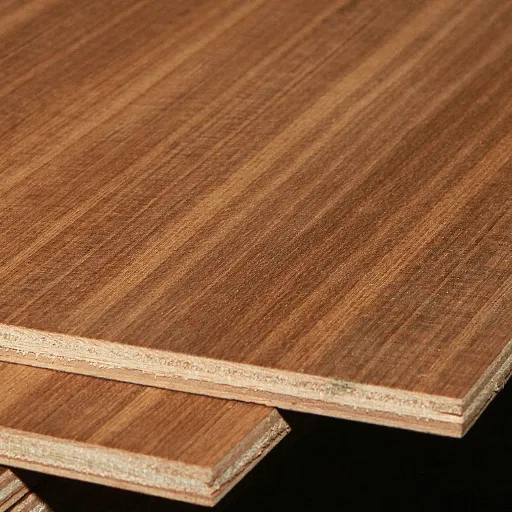
Carbon Footprint of Teak Veneer Manufacturing
In manufacturing, different processes use several processes in the making of a single item, for instance teak veneer, where each process results in such an item having a certain degree of a carbon footprint. Much as production will require raw materials from teak wood, veneer sheets and this will, in turn, require energy investment, it will have the same impact towards climate change. First of all, it is made of trees hardy as teak which will be available in certain tropics either by natural growth or planting – some trees will require acres of land to be planted. Fossil fuels are used in felling the trees and the resulting carbon is seen in the use of such logs as they have to be ferried from the felling area. Moreover, indiscriminate logging in areas without proper management adds yet another dimension of environmental impacts, the loss of carbon storage capacity of such areas.
Upon extraction of teak, veneer sheets of preferably thin logs and/or sheets are produced. Energy input requirements for this proccess are often high, especially in developed countries where they are required to operate heavy industrial machinery fueled by non – renewable energy sources. Additional emissions can as well arise when kiln drying is adopted to remove wood water contents, which is ideal for quality and long term durability of the wood. However, it is important that, environmental friendly techniques like the recent developments employing use of green energy production and creating effective energy saving equipment reduce such emissions of the thermal processes used by a big margin.
Transportation represents alternative bottlenecks in environmental economics in the context of the oncological reality associated with teak veneer. Moreover, teak timber and veneers are transported for thousands of kilometers, from tropical plantations to all-time usage regions or product distribution centers. This means utilising transportation fuels, and then emissions are associated with their vehicles as well. On another hand, some individuals in the industry also practice carbon offset strategies or more efficient production and manufacture of products rather than importing.
Comparative Analysis with Solid Wood and MDF
Solid timber is one of the best in terms of strength and beauty as it is made of solid timber. The stuff is tough, the fact that it looks sturdy which can most cases be sanded or even patched and reused makes all the difference. Unfortunately, the price of solid wood is often more prohibitive finishing heavier standards that make it pragmatic and easy to use as it possesses hydrophilic properties. More so, harvesting enough solid timber is also hard because wood such as teak does not grow fast enough to produce significant amounts of timber soonest.
However, the fibers of wood dust, resin, and wax, that are mixed and hot pressure hill pressed are robust and contain a very high appreciation density – such enables MDF to be a cost-effective, flexible and applicable. MDF is ready to receive almost any kind of paint or intricate cutwork on its most even surface, free from splinters. But this material does not bring with itself the beauty and tactile experience of real wood or teak veneer. Even though using MDF ensures less warpage, it is much a weak material and she can be damaged by water. Add to this, the manufacturing process in question could involve the use of adhesives containing formaldehyde.
A teak veneer, on the other hand, offers the best of both worlds. It makes use of a thin layer of real teak covering a base MDF or plywood. This helps to incorporate the beauty and aesthetics associated with the grain of teak without incurring costly expenses or the depletion of forests. These materials are also lighter and more adaptable for numerous applications. Teak veneers, when harvested with the help of, say, an FSC or PEFC certificate offer an eco-friendly solution as they do not increase the need of logging entire trees.
Looking at the attributes of each material in question, it is obvious that the preference for teak veneer, pure wood or MDF will be swayed towards the project needs, financial muscle and environmental perspective.
Promoting Sustainable Practices in the Industry
With the escalating focus on environmental health, sustainability in carpentry and the furniture trade is rapidly gaining significance. Institutions must move towards the adoption of such strategies, emphasizing on obtaining resources in the most responsible manner, eco-friendly production, and reducing waste. For instance, materials like FSC (Forest Stewardship Council) or PEFC (Programme for the Endorsement of Forest Certification) endorsed woods, like teak veneer, should be considered appropriate because they come from well looked after forests that enhance biodiversity while diminishing deforestation activities.
Additionally, technological progress brought new methods such as bio-based adhesives and energy-saving machines aimed at minimizing the carbon footprint of manufacturers. Incorporation of recycled chips and sawdust in composite products or introduction of furniture production chains without open ends is a step further in the direction of sustainability. Consumers sieves for products that are produced in sustainable manners by companies and become eco-certifications transparent will fully use their advantage in the society.
All these measures, and more importantly, international cooperation at industry level can generate positive changes in the long run bringing any transformation towards greenness even closer.
References
- North Carolina State University – BioResources Journal: Discusses the effects of thermal treatment on the physical properties of teak veneer and its market growth.
- U.S. Government Publishing Office: Examines wood and log characteristics, including teak, that affect veneer production, highlighting its low shrinkage and suitability for face veneer.
- Click here to read more.
Frequently Asked Questions (FAQ)
Q: What is meant by ‘teak veneer’ and what are the key differences between ‘teak veneer’ and solid teak furniture?
A: Teak veneer can be described as very thin sheets of real teak wood glued over a core, which, visually offers the same golden-brown and dark brown teak wood colour at a fraction of a cost compared to solid teak furniture. While solid teak furniture is made out of heart wood of the large deciduous tree and can last for years owing to intense oil content and a tight grain, high quality veneers with the same color are available and easy to use however only with the use of a backer for the durability of shutters in place of solid hardwood.
Q: Is such teak veneer manufactured, particularly, in Indonesia, Myanmar (Burma) or some other countries?
A: Teak veneer is originated from south east asia which includes countries like indonesia, myanmar (burma) and also few parts in latin america, specifically, trees are mostly grown and harvested in plantations. Authentic South East Asian hardwood logged Teak wood is on average the highest in terms of oil content and provides a rich brown almost dark brown shades while plantations and those which are properly managed will provide better color changes and additional backing options for this material.
Q. Please specify the usual finishing tactility and patterns of the grain in teak veneer?
A: An incorporation of the original veneer layers easily provides the texture, which, with reference to the teak veneer, may be explained as sorts of roughness and waves or lack thereof that accompanies this material; the color of the heartwood ranges for example from a golden brown to a deep brown which, as other similar substances, ages out and gets darker. In some portions, the sheets may appear to have clear color only while certain other sections will be rougher depending on the section and preparation of the cut. This natural oil also contributes to a certain handicap when finishing as the level of oiliness of the wood surface is conducive for applicability of finishing means.
Q: Is it possible to make furniture with teak veneer for using at open air and what does oil level mean for the durability of this furniture?
A: When considering the use of teak veneer for exterior furniture, it is a possibility if the veneer is adhered to the appropriate constructor designed for exterior applications. However, veneer by its very nature is thinner which implies that it wouldn’t last as long as solid pieces of furniture made out of teak. This is because teak’s high natural content of oil is advantageous when it comes to avoiding termites and moisture. However, when it comes to veneers in exterior applications, surface pretreatment, sealing and backing should be taken into account as without these steps, the veneer will separate or stain differently on different panels.
Q: What about the other available grades and backer options of teak veneer? How to make a decision, which one to use for furniture design?
A: If appearance is important, go for WE with colour that is rather uniform and remains so within the sheet’s when you order your veneer sheet, consider a backer that is compatible with the sheet in order to preserve the strength. Plywood, MDF, or engineered substrates are good options for adhesion when adherents of such high oily woods are recommendable. For more expensive models of cabinets, or cases of furniture, get the veneer having a rather fine texture without many defects, and also let the appearance of the piece to have some wavy grain some rough spots if it is decorative.
Q: Can teak varnish go darker with age and if so, what can I do to maintain the warm brown shade or teak dark?
A: Teak veneer may indeed go darker due to ageing or exposure to light. Some veneers have deep brown hues and stabilize into dark shades. It is critical to note that direct sunlight exposure to a specific area will cause the coloring of the exposed section to varnish and darken while the unexposed sections will tend to appear off-white. Therefore, protection coatings with UVA/UVB inhibitors, maintenance oils, and sealers which are typically used for the protection of oil-rich woods will help to avoid the darkening. Wiping surfaces clean and protecting from weather elements is also effective in slowing the color alteration process while maintaining the firmness of the oils and surface finish.
Q: How and why teak wood facing is hard to work on? Does it require ist any special surface preparation or specific adheZtive?
A: Generally, teak veneer presents no difficulties regarding functionality but the oily and porous nature of its surface involves some logical pretreatment like cleaning off grease or use of particular gluing methods. Due to the presence of its oils, bonding surfaces must be treated with adhesives specific for oily timbers, provided with a sufficient amount of time for clamping to dry; sand and polish carefully for the perfect bonding of glue and non cracking surfaces.
Q: Is there any reason to worry about the environment or pests while using teak veneer with regards to termite resistance and where the material is sourced from?
A: Good quality teak contains natural preservative properties which help to mitigate the impact of termites as well as decompose. However, it is necessary to employ sustainable ways when obtaining these materials: this forces one to consider young teak or planting it without damaging the hardwood forests. In that case, in the South East Asia and Latin America regions, such material exists but in a form of plantation-produced teak which provides an alternative solution, but the sheets of veneer are dense and well oiled for furniture and interiors.