
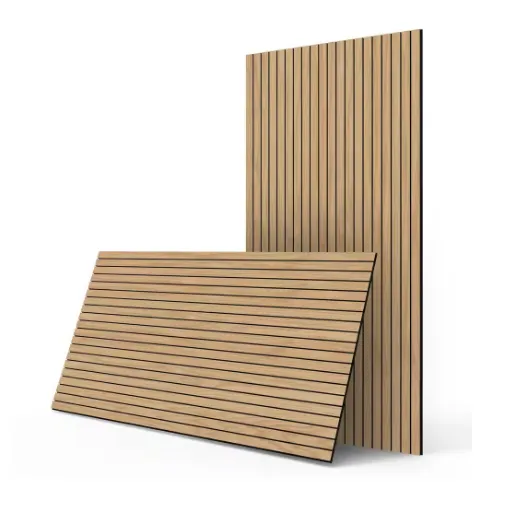
Wood Veneer Acoustic Panels: Enhancing Acoustics with Stylish Slat Wall Designs
Interior design now functions together with acoustic performance. Wood veneer acoustic panels create a new approach to sound management because they use their modern slat wall design for sound control in residential and commercial buildings. The panels provide an advanced solution that improves sound quality while transforming interior spaces through their unique combination of high performance and stylish design. This article will demonstrate how wood veneer acoustic panels function as noise reduction solutions that also enhance architectural design through their ability to match diverse building designs. The guide demonstrates how architects and designers and homeowners can benefit from understanding the functional advantages and design possibilities of these modern acoustic treatments.
Understanding Acoustic Principles
The Science of Acoustics
The study of sound phenomena and their production methods and sound transmission methods and sound impact assessment methods is the focus of acoustics since it represents a specific area of physics. Sound exists as a mechanical wave which moves through a medium that usually consists of air because particles in the medium start to vibrate. The principles of reflection and absorption and diffraction govern how sound operates because they establish the rules for sound to interact with various surfaces and objects found in different environments.
When sound waves hit a surface and then bounce back to their original direction this process creates echoes which result from reflection. The sound reflection properties of materials with hard and smooth surfaces enable them to create sound environments which produce excessive reverberation effects. The process of absorption takes place when sound waves get absorbed by a material instead of getting bounced back into the environment. Wood veneer panels that contain specialized core materials function as high-performance acoustic materials which achieve maximum sound absorption to decrease reverberation while increasing sound clarity. Sound waves bend through diffraction which enables sound to spread throughout a space by moving around barriers.
The application of these principles forms a fundamental requirement for effective acoustic management in all types of environments. The sound distribution throughout a space gets controlled by designers and architects who use acoustic panels as their main design component for soundproofing areas. This knowledge helps create spaces that not only look aesthetically pleasing but also achieve optimal acoustic performance for their intended use, whether it be an auditorium, workspace, or residential setting.
How Acoustic Panels Work
Acoustic panels use sound absorption to control echo effects while decreasing noise levels and enhancing sound quality within a room. The panels consist of porous materials which include foam and fiberglass and fabric-wrapped insulation that functions as sound traps to capture and release sound energy. Sound reflections get reduced by this method because it creates an acoustic environment that would normally produce confusion through unrestricted sound output.
The ability of acoustic panels to function depends on how their placement and thickness and material characteristics interact with each other. The installation of panels needs to occur at specific locations on walls and ceilings and other flat surfaces because those areas function as primary sound reflection zones. Thicker panels generally absorb lower-frequency sounds better, while thinner panels are more effective at higher frequencies. The room’s acoustic balance can be improved through the use of various panel designs which include different densities and sizes to cover multiple sound frequencies.
Acoustic panels serve functions through their design because their operational features need to match their visual appearance. The modern panels offer multiple design options because they provide different shapes and color choices and distinctive styles which allow for full integration into interior spaces. The panels offer sound absorption solutions which appeal to people visually because they work in a variety of settings including recording studios and offices and restaurants and schools. Proper acoustic panel usage creates an improved audio experience which meets the unique requirements of the space.
The Role of Wood in Sound Absorption
Wood functions as an excellent sound absorption material because its structural design and acoustic features create optimal sound blocking conditions. The material combines natural beauty with useful performance, which makes it suitable for different architectural and acoustic design purposes. The following information presents essential elements and sound absorption research data which demonstrate how wood functions as a sound absorption material.
- Porosity: Wood possesses a natural porosity because its cellular structure contains empty spaces which function as sound wave traps that decrease sound wave reflection. The sound absorption capacity of different wood types varies because their porosity levels differ from one another.
- Density: Oak and maple wood blocks more sound through their high density because they create greater sound barrier while pine and cedar wood deliver superior sound absorption through their ability to dampen sound waves.
- Thickness: Wood panel thickness determines the extent to which panels can absorb low-frequency sound waves. Thicker wooden elements become more effective at controlling bass frequencies because acoustic environments present difficulties in managing these bass sounds.
- Surface Finish: Wood acoustic properties become affected by the selection of finish materials that cover its surface. Rough wood surfaces which have not been treated produce sound waves that scatter more effectively than polished surfaces which reflect sound waves and decrease absorption capacity.
- Engineered Wood Products: Manufacturers design plywood and medium-density fiberboard MDF products to deliver uniform acoustic performance throughout their entire range of sound frequencies. Their layered composition enables them to produce customized sound responses at particular frequency ranges, which improves acoustic control in both commercial and residential environments.
Wood provides multiple acoustic properties which enable its adaptation to different sound needs present in various locations that range from concert halls to home theaters, while maintaining functional performance and beautiful design.
Benefits of Wood Veneer Acoustic Panels
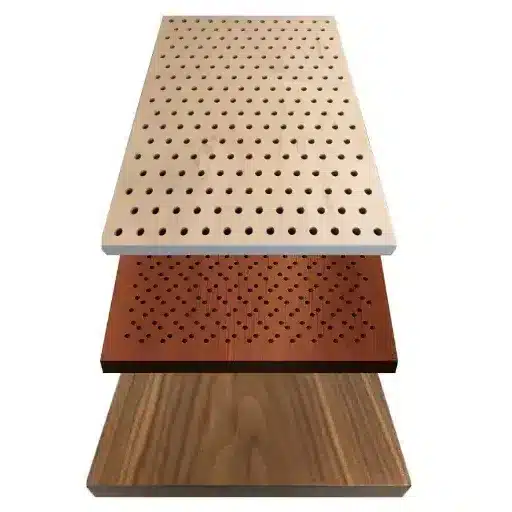
Improving Sound Quality
Wood veneer acoustic panels provide multiple specific benefits which enhance sound performance making them the preferred option for different sound control needs. The following list presents five essential advantages:
- Sound Absorption Efficiency: Wood veneer panels are designed to absorb sound energy throughout their entire range of sound frequencies. According to industry studies, high-quality panels can achieve Noise Reduction Coefficient (NRC) values of up to 0.85 which leads to substantial reduction of sound reverberation inside enclosed spaces.
- Reduction of Echo and Reverberation: The panels manage excessive echoes while controlling sound reverberation to produce clear sound environments. The system works best for eliminating delays and distortion which occurs mainly in spaces with two opposite walls and surfaces that reflect sound.
- Frequency Customization: The panels provide an option for users to create specific frequency ranges which configure their sound performance between low-frequency damping and complete sound distribution. This customization ensures optimal acoustic performance, whether for speech, music, or mixed-use applications.
- Consistency in Acoustics Across Spaces: The acoustic performance of wood veneer panels remains consistent through different environmental conditions. This system maintains consistent sound distribution throughout multi-zonal environments which include lecture halls and open-plan offices, enabling all users to hear the same audio level.
- Integration with Design Aesthetics: The wood veneer panels serve two purposes because they help control sound while maintaining complete compatibility with the building’s design. The timber finishes and flexible design options of these products deliver two advantages, which include sound control and aesthetic appeal, making them perfect for high-end spaces such as conference rooms and auditoriums.
The combination of features found in wood veneer acoustic panels functions as both a technical solution and an essential component for modern architectural acoustic design.
Aesthetic Appeal of Wood Veneer
Wood veneer provides an elegant natural look which improves the aesthetic value of indoor environments. Architects and designers prefer this material because it offers multiple finishing options combined with its natural texture and warm appearance. The aesthetic benefits of wood veneer display themselves through five distinct features which scientists examine in detail.
- Natural Grain Patterns: Wood veneer captures the distinctive grain patterns and textures of natural timber, allowing each panel to have a unique appearance. This characteristic provides a sense of authenticity and richness to interior designs.
- Variety of Finishes:Wood veneer exists in multiple finishes which enable it to match both traditional and modern design styles. The available finishes include matte and glossy and stained options which allow for easy integration with various decor styles.
- Customizable Designs: Wood veneer panels offer flexible design options through their adaptable nature. Designers can create distinctive architectural elements which match the unique requirements of their custom installations through their ability to create different shapes and designs.
- Consistency with Sustainability Goals: Veneer production uses thin wood slices to create products which consume fewer natural resources than solid wood production. The sustainability feature of wood veneer causes its demand to increase among designers who create eco-friendly design solutions.
The aesthetic qualities of wood veneer create a powerful reason for architects to choose this material when designing spaces which combine modern aesthetics with timeless design elements.
Eco-Friendly Options in Acoustic Design
Architects and engineers now concentrate on sustainable acoustic design which enables them to create eco-friendly solutions that maintain operational efficiency. The following five acoustic design solutions provide environmentally sustainable benefits through their distinct advantages which support sustainable building methods:
- Recycled Acoustic Panels: The panels create superior sound absorption capabilities because they use materials which people have already consumed and which factories have discarded. The panels made from recycled PET (polyethylene terephthalate) reach a Noise Reduction Coefficient (NRC) of 0.8 because they produce less sound reflection which leads to better results.
- Natural Fiber Acoustic Panels: The panels use renewable materials which include hemp jute and cork to create biodegradable products which contain no toxic substances. Cork material provides long-lasting performance because it lasts more than 40 years while delivering both thermal insulation and soundproofing benefits.
- Wood Wool Acoustic Boards: Wood wool boards combine wood fibers with water and cement to deliver an aesthetically pleasing product which meets high-performance requirements. The products offer complete recycling capabilities while their acoustic performance reaches NRC ratings of 0.9 based on their thickness.
- Bamboo Acoustic Screens: Bamboo serves as an environmentally sustainable material because it adopts a fast growth rate which exceeds the development speed of standard wood. Bamboo acoustic components provide effective sound absorption which creates a natural aesthetic for indoor spaces while their lifecycle ends with CO2-neutral outcomes.
- Low-VOC Acoustic Coatings: Acoustic solutions extend to low-volatile organic compound (VOC) coatings which create better sound performance while they decrease indoor air pollution. The coatings create a healthier indoor space because they effectively decrease reflections that occur on surfaces.
The options provide solutions for sound management which meet environmental requirements that match both LEED certifications and other environmental performance standards. Designers achieve better sound performance which decreases their environmental impact through the use of these materials.
Applications of Slat Wall Panels
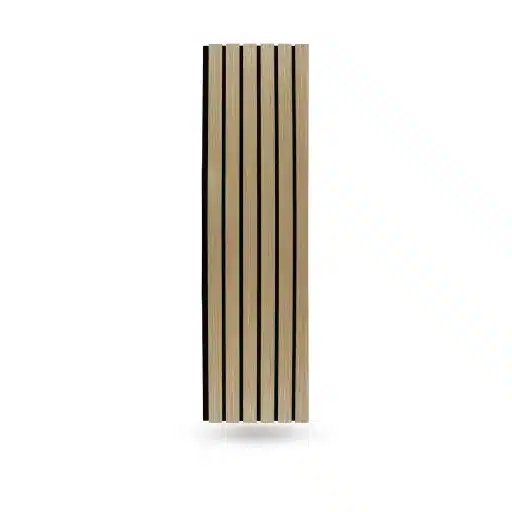
Corporate Spaces and Offices
Slat wall panels function as effective solutions which enhance both sound quality and visual attractiveness in workspace settings. Their advanced sound absorption technology, combined with their flexible design function, enables their use across multiple office applications. The following section presents five specific use cases which show how businesses use their facilities.
- Conference Rooms: The installation of slat wall panels in conference rooms results in reduced echoing and sound reflection, which improves meeting communication. Research shows that effective sound control in shared work areas can boost productivity by 15% for workers who need to collaborate.
- Open-Plan Offices: The installation of these panels in open office spaces creates a silent environment which helps employees concentrate during their work hours. Acoustic design, which results in well-constructed sound barrier systems, decreases interruptions in open office spaces by 25% thereby enhancing worker output.
- Executive Offices: Slat wall panels create an elegant appearance in executive offices which prevents sound from traveling between adjacent spaces.
- Reception Areas: These panels create a professional and inviting atmosphere in reception areas while they manage disruptive sounds which create a positive initial impression for guests and customers.
- Break Rooms: Slat wall panels create break room spaces which help employees relax by controlling sound levels, which leads to better workplace wellness and stress relief.
The installation of slat wall panels in different areas of office space permits businesses to establish both effective sound management and visually appealing design elements which match contemporary architectural styles.
Home Theaters and Entertainment Areas
Home theaters and entertainment spaces achieve better sound quality and visual appeal through the use of slat wall panel systems. The panels provide sound absorption and diffusion which creates an authentic sound experience while blocking outside noise from entering the space. Below are five specific advantages and detailed benefits of using slat wall panels in these spaces:
- Acoustic Optimization: Slat wall panels improve sound quality by reducing echo and reverberation within the room. This effect is crucial for optimizing the clarity of dialogue, music, and sound effects in home theater audio systems.
- Noise Isolation: The soundproofing properties of slat wall panels function as barriers which restrict sound transmission throughout the entertainment space. The system enables soundproof operation which makes it suitable for multi-purpose areas in residential properties and apartment buildings.
- Customizable Aesthetic: Slat wall panels provide design flexibility through their selection of different materials and colors and finishing options which designers can use to achieve their desired interior space design. The design maintains a contemporary aesthetic while providing essential operational features.
- Durability and Longevity: Slat wall panels use MDF and natural wood materials which provide high-quality construction for their long-lasting performance. The materials maintain their original structure and design appearance throughout extended periods of use in conditions that produce intense usage.
- Efficient Installation and Maintenance: The installation process for slat wall panels proves to be straightforward while their maintenance requirements are minimal. Homeowners can easily fix the system through its modular structure which enables them to make changes for future needs.
Slat wall panels enable home theaters and entertainment spaces to achieve a perfect combination of visual appeal and operational efficiency which results in a professional dining space that offers a high-quality film experience.
Restaurants and Public Venues
Restaurants and public spaces now use slat wall panels because these panels withstand heavy use while providing multiple design options. The panels enable users to organize spaces which results in better room usage and creates inviting spaces throughout the area. The five main ways that slat wall panels get used in these spaces are displayed below.
- Merchandise Display: Slat wall panels function as flexible display systems which help restaurants and public spaces that sell products through their retail sections. They provide different display options through their hooks and shelves and brackets which create an organized display of products that includes branded apparel and souvenirs.
- Menu and Promotional Boards:Slat wall panels function as designated areas to display menus and promotional materials. Businesses can update their seasonal products and limited-time promotions and event schedules through their interchangeable components which eliminate the need for extensive building work.
- Acoustic Enhancements: Public venues which host events and live music shows can use slat wall panels to control sound and create better acoustic environments. The special panel materials and finishes of the product create a sound experience which reduces echo making it suitable for restaurants that feature live shows.
- Storage and Organization: Back-of-house areas use slat walls to create strong storage solutions. The panels in kitchens and preparation areas function as storage systems which provide easy access to utensils and tools while keeping the area clean.
- Decorative and Branding Elements: Businesses use slat wall panels to create custom decorative backdrops which match their brand identity. The installations design dining and event spaces through their subtle texture elements and bold design features.
The various applications of slat wall panels demonstrate their essential role in both restaurant design and operational efficiency and public space design.
Installation Tips for Acoustic Slat Wall Panels
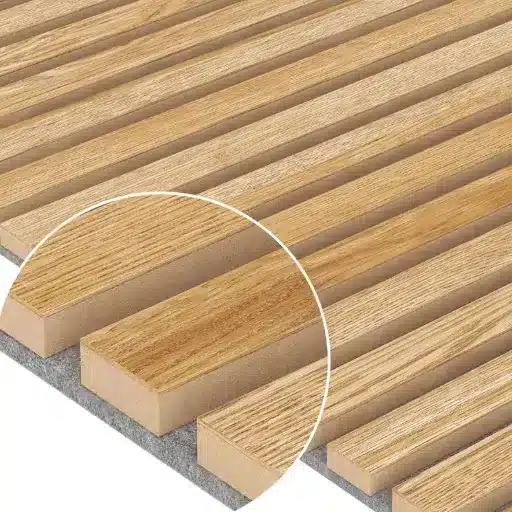
Preparation for Seamless Installation
The successful installation of acoustic slat wall panels depends on proper preparation which serves as the essential requirement. The first step requires surface evaluation at installation sites which must remain completely clean and dry without any loose paint or debris present. The surface needs to be checked with a level and measuring tape because major surface problems will lead to panel defects which affect both their appearance and performance.
The installation environment must maintain stable conditions which match the temperature and humidity specifications established by the manufacturer to achieve the best results. The materials will expand and contract because of changing environmental conditions which will result in misalignment problems. The environment needs to be controlled because panels must remain in the intended space for 24 to 48 hours before installation.
The process of marking a wall requires exactness in order to achieve correct panel placement on the wall. The panel alignment and spacing should be marked with a chalk line or laser level which creates separate visual boundaries. The installer needs to check whether they have the correct mounting equipment which includes screws and adhesives that can support panel weights while working with the wall substrate material. The installation of insulation behind the panels will improve their ability to absorb sound.
The installation process will achieve a professional appearance through these preparation steps which create an uninterrupted installation that brings out the visual and acoustic advantages of slat wall panels.
DIY vs. Professional Installation
DIY installation of wood veneer acoustic panels is cost-effective and flexible but requires skill and time, while professional installation ensures precision and efficiency at a higher cost.
|
Key Point |
DIY |
Professional |
|---|---|---|
|
Cost |
Low |
High |
|
Skill |
Required |
Not Required |
|
Time |
More |
Less |
|
Precision |
Moderate |
High |
|
Flexibility |
High |
Moderate |
|
Tools |
Basic |
Advanced |
|
Warranty |
None |
Often Included |
Maintenance and Durability
Cleaning Wood Veneer Panels
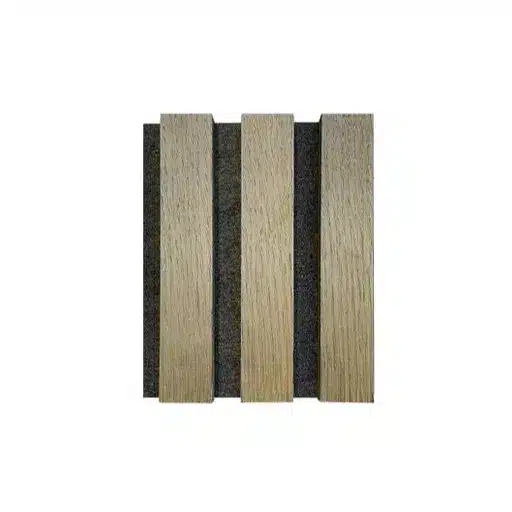
The correct way to take care of wood veneer panels will help their lifespan and their visual attractiveness. The cleaning process for wood veneer panels begins with using either a soft lint-free cloth or a microfiber cloth to eliminate dust particles from the surface. The veneer surface needs protection from both abrasive cleaning products and any type of scrubbing equipment because they will cause permanent damage to the material. The solution for difficult stains requires using a damp cloth which needs light water moisture or a specific cleaner designed for wood veneer surfaces. The user needs to wipe the surface in the direction of the grain because this method will stop streaks and maintain the original surface appearance.
The main reason wood veneer panels experience damage occurs because of excessive moisture problems. The panels must remain completely dry without any water or liquid cleaning products coming into contact with them. The user needs to use a dry cloth for complete surface drying after cleaning Wipe the surface to stop water stains and veneer warping from happening. High humidity areas like kitchens and bathrooms need extra protection through methods like sealant application and proper ventilation practices to stop long-term humidity exposure.
The veneer surface needs regular maintenance which should include furniture polish and wood conditioner applications to maintain its natural shine through the years. The panel requires maintenance every six months to maintain its structural integrity. The application of UV-protective coatings together with window treatments will reduce the fading risk that results from extended sunlight exposure. Through proper wood veneer panel maintenance and the execution of preventive measures wood veneer panels show improved durability and visual appeal which will last multiple years.
Long-Term Care for Acoustic Panels
A planned maintenance program must be established to protect the operational efficiency of acoustic panels throughout their entire lifespan. The acoustic performance of a space depends on two factors which include regular surface cleaning and maintenance of the controlled clean room environment. The panel materials require constant temperature and humidity control because any changes in these conditions will cause material distortion and panel damage. For example most acoustic panels achieve their best performance when the relative humidity stays between 40 and 60 percent and the temperature range remains from 65 to 75 degrees Fahrenheit based on their specific material composition.
The team requires periodic inspections to evaluate the state of panel mounting together with its structural strength. The proper functioning of frame supports and clips requires their replacement because damaged components will prevent them from maintaining their correct position. Anti-static sprays help reduce dust buildup on fabric-covered panels while non-abrasive cleaners should be used to clean hard surfaces. The user needs to create documentation for all maintenance activities which includes maintenance dates and maintenance results to ensure proper tracking of panel performance through time.
The installation of nano-coatings together with antimicrobial finishes will fight against microbial contamination while wearing down protection when organizations make facility improvements. The systems for acoustic paneling will continue to look good and perform well when organizations apply their established practices together with manufacturer specifications.
Signs of Wear and Replacement Tips
The identification of wear patterns on acoustic paneling serves as a crucial factor which enables the achievement of both functional performance and visual appearance goals. The typical signs of material degradation show as visible color changes, damaged edges, diminished soundproofing capacity, and the presence of physical faults which include cracks and punctures. The presence of moisture and continuous bad smells in panels indicates that water has penetrated the materials and that bacteria have started to grow which requires urgent action to stop further damage.
The decision to replace equipment should occur when both cleaning and small repairs do not achieve full restoration of operational capabilities and visual qualities. The selection process for replacement panels should begin with the evaluation of materials that offer superior strength combined with updated certification standards which include fire safety ratings and environmental protection regulations such as GREENGUARD or LEED compliance. The use of paneling systems which include modular design technology should be implemented because these systems enable simple system upgrades and specific part replacements which result in less waste while extending the complete system operational period.
The establishment of regular inspection routines becomes essential for the efficient discovery of equipment damage which occurs over time. The combination of traditional monitoring methods with contemporary technologies, including acoustic performance testing and moisture detection sensors, enables the extraction of valuable information regarding panel conditions. Facilities can achieve ongoing operational effectiveness through the implementation of advanced material replacements and their proactive solutions to present issues.
References
-
Laminated Wood Composite Design with Improved Acoustic Properties
This study explores the production of laminated wood composites with enhanced acoustic properties. -
Wood Waste Panels for Building Applications: Influence of Different Species and Assembling Techniques on Thermal, Acoustic, and Environmental Performance
Examines the acoustic performance of wood waste panels and their environmental impact. - Click here to read more.
Frequently Asked Questions (FAQ)
Q: What are wood veneer acoustic panels and how do they work?
A: Wood veneer acoustic panels function as decorative wooden wall panels which contain a core material that provides sound absorption and a surface layer of genuine wooden veneer. The product combines the natural beauty of oak wood with the sound-absorbing properties of acoustic felt backing and mineral wool and acoustic foam core materials. The panels when installed on walls or ceilings function as sound diffusers which absorb sound to create environments that reduce noise in both residential and commercial spaces.
Q: What is the difference between wood slat wall panels, wood veneer slat panels, and solid wood panels?
A: The two panel types wood slat wall panels and wood veneer slat panels use a slat design which architectural design experts refer to as wood slat wall or wooden slat wall that incorporates MDF slats or thin real wood veneer strips over an acoustic core system which makes it lighter and more environmentally friendly compared to solid wood. Solid wood provides both weight and authentic natural wood variations, while veneer slat panels offer straightforward installation at lower costs and commonly include acoustic felt backing or recycled felt material which serves to absorb sound.
Q: Are wood veneer acoustic panels effective for acoustic control and sound-absorbing needs?
A: Yes. Wood veneer acoustic panels achieve maximum sound absorption when used with acoustic slat panels and acoustic slat wood wall panels and their mineral wool or acoustic felt inner layer. The flute wood profile which people referred to as acoustic slat wood wall creates spaces between its parts that enhance sound performance therefore making these panels suitable for office areas and home theater systems and places where people need sound protection.
Q: Can wood veneer acoustic panels be used on walls or ceilings and in which applications?
A: wood veneer acoustic panels serve as adaptable installations which people can use to enhance their wall surfaces while also delivering soundproofing advantages. The panels serve as perfect solutions for both residential spaces and commercial spaces which include living rooms and conference rooms and restaurants and auditoriums. People can use modern wood slat wall panels to create attractive visual elements which also enhance the sound quality of their spaces that need both aesthetic appeal and functional performance.
Q: What installation methods are commonly used for wood slat panels and are they easy to install?
A: Wood veneer slat panel systems come with multiple installation options which people can install through methods that involve batons and adhesive or slatpanel® clip systems. The panels come with pre-cut slats for every panel or continuous slat profile system. Lightweight core systems that use MDF slats enable simple installation for contractors and experienced DIYers while systems need proper installation and mineral wool acoustic backing for their best results.
Q: How do I choose the right acoustic backing—acoustic felt, recycled felt, or acoustic foam—for wood veneer acoustic panels?
A: Backing selection needs to be made based on your acoustic objectives and environmental needs. The acoustic felt material and recycled acoustic felt material deliver satisfactory sound absorption while maintaining eco-friendliness, however, the acoustic foam material achieves superior sound absorption capabilities within particular frequency ranges. The slat panel design which uses mineral wool cores creates better sound absorption properties. Projects that require sustainability need to use recycled felt and recycled acoustic felt backing with wood veneer slat finishes because this combination achieves both environmental protection and effective sound control.
Q: Can wood veneer acoustic panels be customized in terms of finish, flute profile, and dimensions?
A: Yes. Customers can customize wood veneer slat panels and fluted wood profiles which include natural oak and other veneer species through multiple design options. Custom options include oil or lacquer finishes, handcraft detailing, and modern wood slat wall panels tailored for specific décor. The customization process enables you to create wall covering designs which match your aesthetics needs while maintaining the necessary acoustic performance for your project requirements.
Q: Are wood veneer acoustic panels environmentally friendly and what materials contribute to sustainability?
A: Wood veneer acoustic panels become environmentally friendly when they use real wood veneers from responsible sources together with MDF slats made from recycled wood fibers and recycled materials as their backing. Low-VOC oil finishes and sustainable natural oak veneer materials create less environmental damage. The panels which use recycled materials and efficient core designs represent excellent selections for environmentally friendly construction initiatives.
Q: How do wood veneer acoustic panels compare to other acoustic wall panels in cost and performance?
A: The cost of wood veneer acoustic panels exceeds plain acoustic foam and fabric-wrapped panels but these panels deliver enhanced decorative value through their wood appearance. The system achieves performance success when acoustic slat panels and mineral wool and appropriate acoustic felt backing work together to deliver comparable sound absorption and noise reduction capabilities while creating a visually appealing and long-lasting solution. Wood panels serve as the perfect choice for projects that require both soundproofing and visual appeal because they provide permanent benefits to all projects.