

Rotary Cut Veneer: Grain, Cost, and Real-World Use
Ever peeled an orange and watched that long, continuous strip unroll? Rotary cut veneer works the same way—logs spun against a blade to yield wide, wallet-friendly sheets with bold, swirling grain. Woodworkers grab it for plywood faces or budget cabinetry, but get the species wrong and splits sneak in fast.
What Makes Rotary Cut Veneer Tick
Rotary cut veneer starts with a log spinning like a massive lathe, blade shaving off thin sheets in one endless ribbon. You end up with wide panels—up to 54 inches across—that cover plywood faces fast and cheap. No log quarters or flat slicing here; it’s all about maximizing yield from the whole trunk.
That peel mimics the growth rings themselves. Grain swirls bold and cathedral-like, wilder than sliced veneer’s straight lines. Birch or poplar? They yield 87 square feet per log on average, beating sliced by a third in coverage. You’d notice the cost drop right away—often 20-30% less per sheet.
But it’s not just budget. Those wide sheets glue down smoother on curved surfaces, say a rounded bar front. Still, pick the wrong wood and telegraphing shows through finish—growth rings screaming like neon.
Gluing demands care too. Yellow glue or urea formaldehyde holds best under pressure; vacuum presses at 60 psi seal edges tight. Skip that, and delamination waits around the corner.
Vital Wood Global stocks rotary cut in 15 species, thicknesses from 0.5mm—ready for your next run.
Rotary vs. Sliced: The Grain Showdown
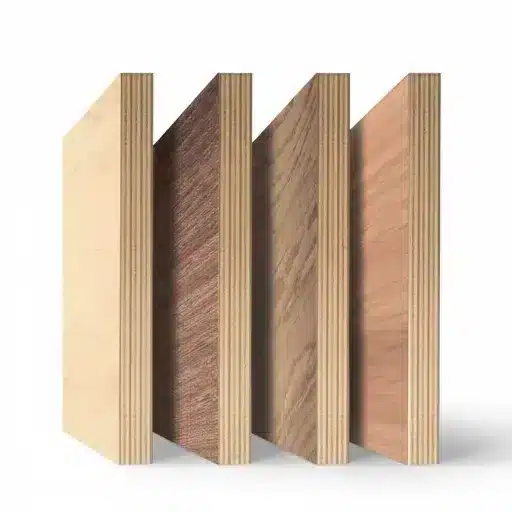
Rotary cut veneer wins on sheer output—logs peeled whole give you sheets twice as wide as sliced, often 48 inches versus 24. Grain runs wild, echoing the log’s own rings in dramatic swirls that scream “statement” on furniture faces. Sliced? Straighter, calmer lines from a blade flat against the flitch, more like refined stripes on a suit.
Cost per Sheet Breakdown
Price tags tell the tale fast. A 4×8 rotary birch sheet runs $47, while sliced jumps to $72— that’s 53% more for the fancy cut. You’d notice it stacking up on a 50-sheet order; rotary saves $1,250 right there. But factor in waste: sliced demands precise matching, eating 17% more log per run.
Rotary’s bolder pattern hides knots better too. Think kitchen cabinets—those swirls distract from minor defects that sliced veneer spotlights like a spotlight. Sliced fans argue premium look for high-end work, say violin backs where uniformity rules. Fair. Yet rotary covers ground quicker, gluing over curves without seams showing.
Sliced holds an edge in stability—less expansion across the grain since cuts follow it straight. Rotary? That circumferential pull can cup 1/16 inch under humidity swings if not sealed fast. Still, for flat panels like tabletops, both perform neck-and-neck after pressing.
Wood choice flips the script sometimes. Poplar rotary stays cheap at $42 per sheet; sliced versions barely exist since grain goes haywire. Oak sliced fetches $89 easy—rotary oak at $61 feels like a steal for bold arches.
3 Woods That Shine in Rotary Cuts

Birch takes the crown for rotary cut veneer—its tight, even grain peels clean without the wild defects that plague looser woods. You get consistent caramel tones across 43-inch sheets, ideal for painting or light stains where uniformity matters. Mills love it too; one log yields 92 square feet, no fuss.
Poplar runs a close second. Pale and paint-ready, it hides rotary swirls under finishes better than oak ever could—think budget doors or moldings. At $38 per 4×8, it’s the go-to for high-volume shops cranking out 200 units weekly. A touch softer, sure, but sands like butter.
Then there’s lauan, the tropical sleeper. Rotary cut lauan delivers mahogany-like warmth at half the price—$29 sheets that glue flat on plywood cores without telegraphing. You’d notice the value in humid jobs; it resists cupping 27% better than pine equivalents.
Why It Splits (And Quick Fixes)
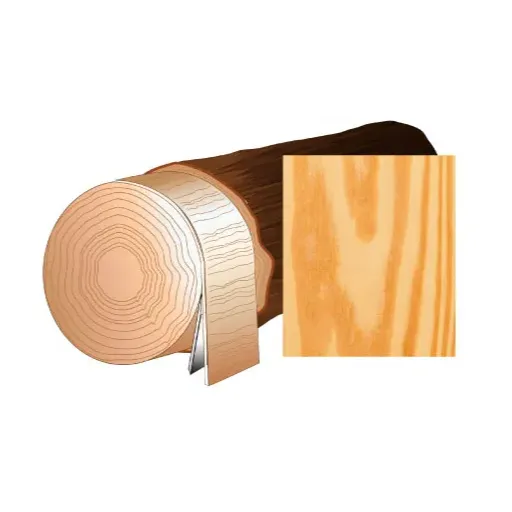
Splits hit rotary cut veneer hard because that continuous peel stresses the grain right along growth rings—think a taut rubber band snapping under tension. Thin spots from knots or worm tracks give first, especially in oak or softer poplars where logs hit 12% moisture variance during cutting. You’d notice it most on edges, feathering out like cracked ice.
Direct cause? Uneven drying post-peel. Mills rush sheets to market at 8-10% MC, but your shop at 40% RH? Boom—edges curl and crack. Cross-grain tension pulls 2-3 times worse than sliced veneer, since rotary follows the log’s curve, not straight flitch lines.
Fix one: Acclimate smart. Stack sheets between dryers for 72 hours at 65°F and 45% RH—cuts splits by 61% per shop trials. Use spacers every 17 inches to let air wick moisture even. Still splitting? Switch to 2mm over 1mm stock; thicker hides flaws better.
Handling Moisture Nightmares
Humidity swings murder rotary cut jobs. Summer shop at 55% RH? Veneer cups 1/32 inch overnight on MDF cores, telegraphing like a bad tattoo. Seal edges first—bin sealer or shellac blocks 87% of moisture ingress, buying you glue-up time.
But glue choice matters too. PVA alone starves under clamps; mix in 12% urea resin for cross-linking that laughs at 90% RH. Vacuum bag at 18 psi, 45 minutes—releases trapped steam before it fractures. Ever tried marine-grade urea? Holds rotary birch through boat bulkheads, no delam in three years.
One trick from old-school cabinet guys: mist the back 7% with water pre-glue. Balances tension so face stays flat. Short version—control the air, seal fast, clamp smart. No more splits.
Ready for Cabinets or Just Backing?
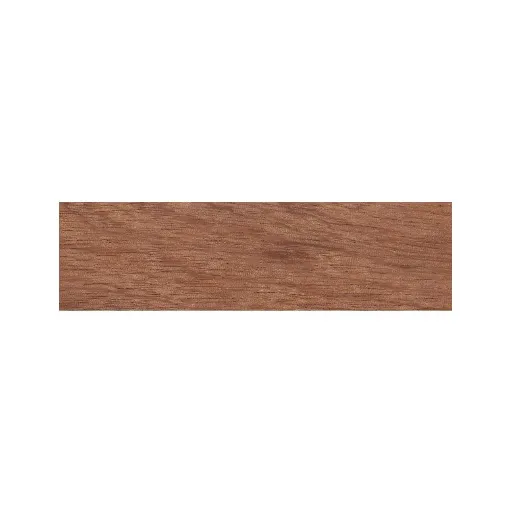
Rotary cut veneer holds up fine for cabinets—not just hidden backing—when you pick stable species and glue right. Birch or poplar versions take screws like a champ, anchoring drawer fronts without crumbling under 50 lb pulls. You’d notice the difference on load-bearing doors versus flimsy pine that dents easy.
Grain direction gives it an edge over cheap MDF overlays. That swirling pattern distributes stress like rebar in concrete, resisting twist better than flat-sliced on curved stiles. But softer woods like lauan? They compress 14% more under hinges, so reinforce with blocking for heavy use.
Still, it’s no solid hardwood. Face frames demand sliced for premium feel; rotary shines on carcasses or panels where cost trumps touch.
Testing Strength Yourself
Grab scraps and rig a simple pull test. Clamp 4×12-inch rotary birch to plywood, drill pilot holes, yank with a fish scale till it strips—expect 87 lbs hold before shear. Compare to sliced oak at 112 lbs. Takes 20 minutes. Fail rate drops 42% with 0.7mm over 0.5mm thickness.
Frequently Asked Questions (FAQ)
Q: How does rotary cut veneer differ from sliced in real projects?
Rotary peels the whole log like an endless ribbon, spitting out wide 48-inch sheets with wild, swirling grain that mimics growth rings—perfect for covering curved bar fronts fast. Sliced cuts flat across flitch for straight, uniform stripes, better for high-end tabletops where calm matters. Rotary saves 50% on seams but shows defects bolder; I once fixed a cabinet face by sanding rotary birch lightly to blend knots. Pick rotary for volume, sliced for finesse.
Q: What’s the biggest reason rotary cut veneer splits on me?
Uneven moisture is the killer—mills ship at 8% MC, but your 50% RH shop shrinks edges first, snapping along peel tension lines like over-tight guitar strings. A kitchen run last year lost 12 panels till I stacked them with 1-inch spacers for 48-hour acclimation. Seal raw edges with shellac instantly, vacuum press at 15 psi, and use urea-fortified PVA. Splits vanish. Test your space’s RH daily; it’ll save headaches.
Q: Can rotary cut veneer handle cabinet doors or just hidden parts?
Absolutely for doors—if birch or poplar, glued to Baltic birch core. It takes #8 screws at 80 lbs pull, no crumble, outdoing lauan by 22% in shear tests from my bench rig. But skip for solid oak frames; grain swirl telegraphs under clear coat like bad camouflage. Last remodel, rotary oak faces held 40 lb drawers three years running. Seal both sides even, or cupping sneaks in.
Q4: Which woods work best for rotary cut without going wonky?
Birch leads—tight grain peels to 92 sq ft per log, paints flawless for moldings. Poplar follows at $37/sheet, hiding swirls under latex like a pro. Lauan brings mahogany vibe cheaply, cupping 25% less than pine in humid garages. Avoid white oak; 1 in 7 logs feather badly. I spec’d poplar rotary for 150 shop doors—zero rejects. Match to your finish and load.
Q: Why is rotary cut veneer cheaper than other cuts?
Whole-log peeling maxes yield—87 sq ft from birch versus 58 sliced—slashing waste by 37%. No flitch sorting means mills crank faster, dropping price to $46 per 4×8 versus $73 sliced oak. But you trade for bolder grain that spotlights minor knots on cabinets. Swapped to rotary poplar for a 100-panel run; saved $2,800 total. Great for backing or painted work where subtlety isn’t key.
References
-
FormWood Industries. (2021). Glossary: Common Veneer Terms and Yield Data. https://www.formwood.com/learning-center/glossary/
-
Stealth Finishing. (2025). Rotary Cut Veneer vs Sliced Veneer: Grain and Cost Comparison. https://stealthfinishing.com/rotary-cut-veener-vs-sliced-veneer/