
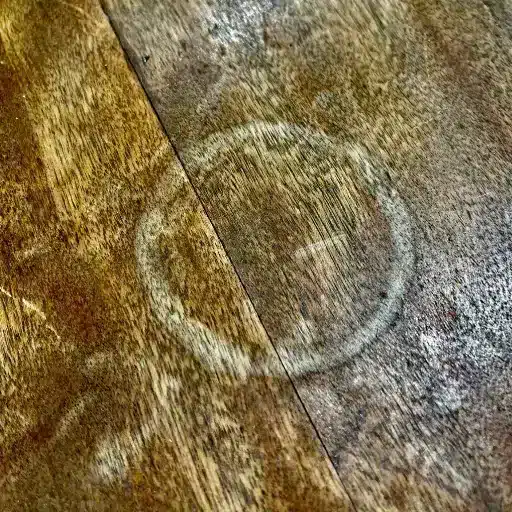
How to Remove Water Stains from Wood Furniture: A Complete Guide
The best way to remove water stains from wood furniture is to start with the gentlest method that matches the stain type. White rings usually respond to heat or oil-based treatments, while dark stains may need oxalic acid or sanding. Always test any method on a hidden spot first.
Sarah set a chilled bottle of white wine on her walnut dining table during a dinner party. By the time dessert came out, a pale white ring had appeared on the surface. If this moment feels familiar, you are not alone. Water stains are one of the most common wood furniture problems, and most of them can be fixed at home. This guide is part of our complete resource on how to remove water stains from wood. By the end, you will know how to diagnose the stain, choose the right treatment, and protect your furniture from future damage.
Key Takeaways
- White rings are usually trapped moisture in the finish and are easiest to remove.
- Dark stains mean water has penetrated the wood and may need stronger treatment.
- Start with the gentlest method and escalate only if needed.
- Always test any treatment on a hidden area first.
- Coasters, quick cleanup, and regular waxing are the best prevention.
What Causes Water Stains on Wood Furniture?
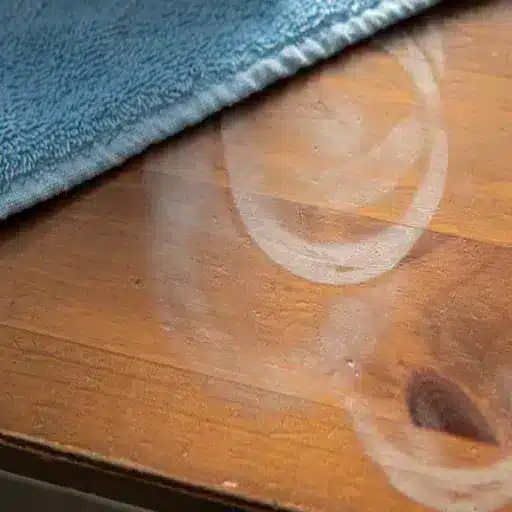
White rings vs. dark stains
Water stains fall into two main categories, and telling them apart is the first step toward fixing them.
| Feature | White Ring | Dark Stain |
|---|---|---|
| Color | White, cloudy, milky | Brown, black, gray |
| Depth | Trapped under the finish | Penetrated wood fibers |
| Cause | Moisture sitting on the finish | Prolonged water exposure |
| Fix difficulty | Usually easy | Harder; may need refinishing |
| Best first step | Heat or oil-based treatment | Oxalic acid or sanding |
White rings are by far the most common. They form when moisture from a cold glass or a damp cloth gets trapped between the finish layer and the wood beneath. If you see a white or cloudy ring, our guide on how to remove white water stains from wood covers those methods in detail. Dark stains form when water soaks through the finish and reacts with tannins in the wood, especially in oak, walnut, mahogany, and cedar.
Why furniture is especially vulnerable
Furniture takes more abuse than floors or trim. It holds drinks, vases, plants, and hot dishes. Horizontal surfaces like tabletops are the most common victims, but dresser tops and nightstands are close behind. Many pieces also have a worn or thin finish in high-use areas, which makes it easier for moisture to seep in.
Common sources of furniture water damage
- Cold glasses left without coasters
- Vases and planters that trap condensation
- Damp cloths or towels left on the surface
- Hot dishes that create steam under the finish
For marks caused by hot dishes, see our guide on how to remove heat stains from wood. The heat can trap moisture or damage the finish, leaving a mark that looks similar to a water stain but needs a different approach.
How to Diagnose Water Stains on Furniture
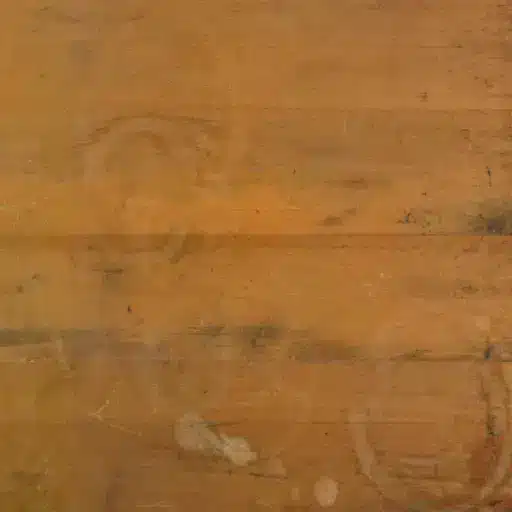
Visual inspection checklist
Before you treat anything, take a close look at the mark:
- Is it white, cloudy, or milky? This usually means the moisture is trapped in the finish.
- Is it brown, black, or gray? This usually means the water has reached the wood.
- Does it follow the shape of a glass or vase? This confirms a water ring.
- Is the finish cracked, blistered, or peeling? The damage may be more serious than it looks.
- Does the wood feel soft or raised? Moisture may have damaged the wood structure.
Finish type identification
The finish on your furniture determines which treatments are safe. To identify it, find a hidden spot such as the underside of the table or the back of a leg. Dab a small amount of denatured alcohol on a cotton ball and rub gently. If the finish becomes sticky or dissolves, it is likely shellac. If nothing happens, it is probably polyurethane, varnish, or lacquer. Oil and wax finishes will feel slightly greasy.
When the damage is more than a surface stain
If the wood feels soft, spongy, or swollen, the water has damaged the structure, not just the surface. If you notice a musty smell, there may be mold. In these cases, drying the piece thoroughly and possibly sanding or replacing damaged areas may be necessary.
Fastest Ways to Remove Water Stains from Wood Furniture
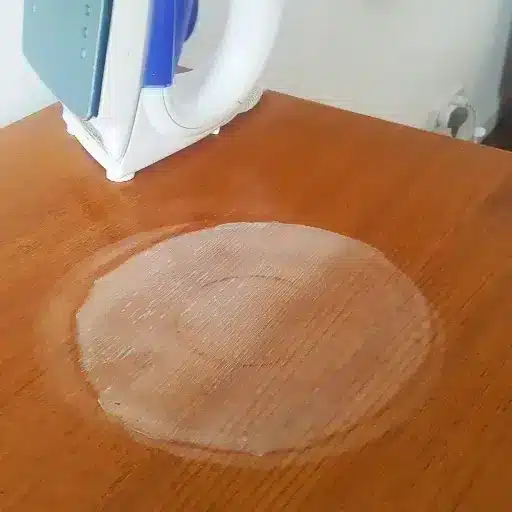
Start with the gentlest method and move to stronger options only if the stain remains.
1. Blot and air dry
For fresh spills, speed matters.
- Blot the surface immediately with a clean, dry cloth. Do not rub.
- Remove any standing water.
- Let the area air dry naturally. Avoid direct heat or sunlight, which can crack the finish.
- Once dry, check whether a ring remains.
Many fresh marks will disappear completely if you remove the moisture quickly.
2. Heat method
This is the fastest way to remove a fresh white ring.
- Wipe the surface clean of dust.
- Lay a clean cotton or microfiber cloth over the stain.
- Set a clothes iron to low heat with no steam. Make sure there is no water in the iron.
- Press the iron on the cloth for 5-10 seconds.
- Lift and check. Repeat in short cycles until the ring disappears.
- Polish with furniture oil or wax afterward.
A hairdryer on low or medium heat also works. Hold it 6-8 inches away and move it over the stain for 20-30 seconds at a time.
3. Mayonnaise or petroleum jelly
This method uses oil to displace trapped moisture.
- Use full-fat mayonnaise for best results.
- Dab 1-2 tablespoons onto a paper towel or soft cloth.
- Apply it thickly over the stain, covering the ring completely.
- Let it sit for at least 1 hour, or overnight for tough stains.
- Wipe away the residue with a clean microfiber cloth.
- Clean and polish the area.
Petroleum jelly works the same way. Both are safe for most finishes because they do not contain water.
4. Baking soda paste
Baking soda is a mild abrasive that can lift surface stains.
- Mix 1 tablespoon of baking soda with a few drops of water to form a thick paste.
- Apply the paste to the stain with a soft cloth.
- Rub gently along the wood grain for 1-2 minutes.
- Let it sit for about 5 minutes.
- Wipe clean with a damp cloth, then dry immediately.
- Polish with olive oil or furniture polish.
Do not scrub hard or use this method on high-gloss lacquer finishes, where the abrasive can dull the shine.
5. Non-gel toothpaste
Plain white toothpaste is another mild abrasive option.
- Dab a small amount of white, non-gel toothpaste onto a clean, damp cloth.
- Gently rub the stain in circular motions, following the wood grain.
- Continue until the stain fades.
- Wipe away residue with a clean, damp cloth.
- Dry immediately and polish if needed.
Avoid whitening toothpastes, which may contain peroxide or harsh abrasives that can lighten or scratch the finish.
6. Vinegar and olive oil
This mixture can lift light stains while conditioning the wood.
- Mix equal parts white vinegar and olive oil.
- Apply a small amount to a soft cloth.
- Rub with the wood grain in gentle circles.
- Let it sit for 30 minutes to 1 hour.
- Wipe away excess and buff dry.
The vinegar helps dissolve mineral deposits and moisture. The oil restores some sheen to the surrounding finish.
7. Commercial white ring remover
For stubborn white rings, a commercial product can save time.
- Choose a product designed specifically for white rings on wood furniture.
- Apply a small amount to a soft cloth, not directly to the wood.
- Rub gently along the grain.
- Wipe clean and polish.
Always read the label and test on a hidden area first. For a comparison of products, see our guide to the best water stain removers for wood.
8. Sanding and refinishing
When the stain has penetrated deeply or resisted every other method, sanding is the most reliable fix.
- Remove the old finish from the affected area with a chemical stripper or sanding.
- Start with 120-grit sandpaper and sand with the grain.
- Progress to 180-grit and then 220-grit.
- Feather the edges into the surrounding finish.
- Apply a matching wood stain if needed.
- Seal with polyurethane, varnish, shellac, or wax.
This method is more work, but it gives you a fresh surface.
Removing Water Stains by Furniture Type
Wood tables and table tops
Tables are the most common victims of water stains. For dining tables, coffee tables, and side tables, the heat method or mayonnaise treatment usually works well because the horizontal surface makes it easy to apply and monitor treatments.
Dressers and nightstands
These pieces often get dark rings from perfumes, lotions, or plant pots. The finish on dresser tops can be thinner than on tables, so start with the gentlest option. If the stain is dark and set in, oxalic acid may be needed before refinishing.
Chairs and vertical surfaces
Water stains on chair backs, legs, or vertical panels are less common but can happen from splashes or humidity. Gravity works against you here, so paste treatments may slide off. Use a cloth soaked in vinegar and olive oil, or apply mayonnaise with tape to keep it in place.
Veneer and antique furniture
Veneer is a thin layer of wood over a substrate, so aggressive sanding can sand through it. Always test on the underside first. For antique or valuable pieces, professional restoration is often the safest choice. For more on delicate surfaces, see our guide on how to remove water stains from wood veneer.
David noticed a gray ring on his oak dresser where a potted plant had sat for a week. The finish was intact, but the mark was clearly below the surface. He tried mayonnaise first, which lightened it slightly, then moved to oxalic acid after stripping the finish. A fresh coat of matching stain and polyurethane made the ring disappear.
Removing Water Stains by Finish Type
Polyurethane and varnish finishes
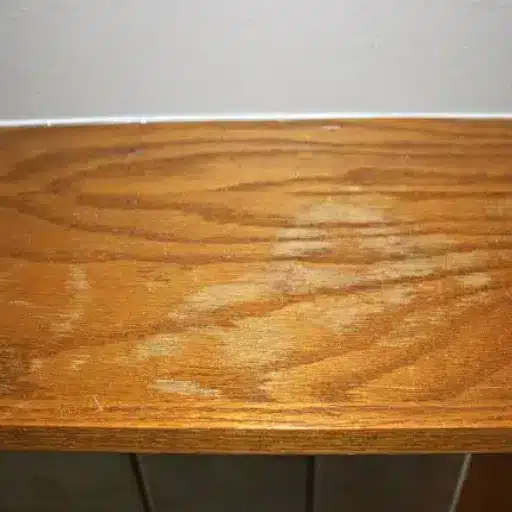
Polyurethane and varnish create a hard, protective film. White rings on these finishes are usually trapped moisture between the film and the wood. Heat and oil-based methods work well. Dark stains mean water found a scratch or weak spot and soaked through, so you will need to remove the finish from the area before treating the wood.
Shellac and lacquer finishes
Shellac and lacquer are thinner and more delicate. They can develop white rings quickly but are also easier to repair with a blush retarder or gentle heat. Avoid abrasive pastes on high-gloss lacquer, which can leave visible scratches. If the stain is deep, the old finish may need to be dissolved and reapplied.
Oil and wax finishes
Oil and wax finishes do not form a hard film, so stains can penetrate quickly. The good news is that these finishes are also the easiest to refresh. Start with the vinegar and olive oil method or a light application of baking soda paste. If the stain is deep, strip the wax with mineral spirits, treat the bare wood, then reapply oil or wax.
Common Mistakes to Avoid
Rubbing instead of blotting
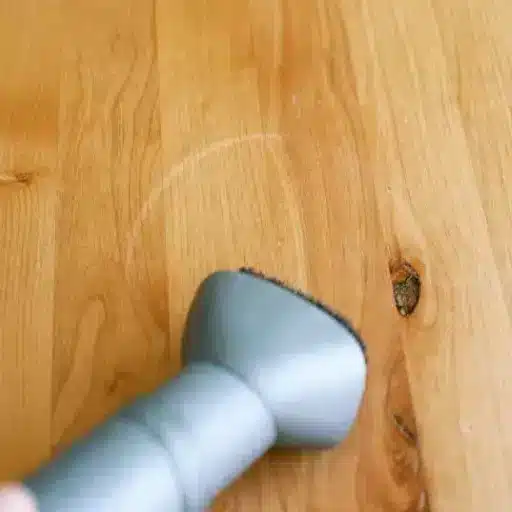
When you see a spill, your first instinct may be to wipe it. Rubbing can push moisture deeper into the finish and spread the stain. Always blot with a dry cloth first.
Using too much water
It sounds backwards, but adding more water to a water stain can make it worse. Use damp cloths sparingly, and dry the area immediately.
Applying excessive heat
High heat or holding an iron in one place too long can blister the finish or burn the wood. Use low heat and check the area frequently.
Using whitening or gel toothpaste
Whitening toothpaste often contains peroxide or baking soda in high concentrations. Gel toothpaste can leave sticky residue. Plain white non-gel toothpaste is the only safe choice.
Skipping the test spot
Every piece of furniture is different. What works on one table may damage another. Test any treatment on a hidden area first, especially on antiques, veneer, or high-gloss finishes.
When DIY Is Not Enough
Signs of structural damage
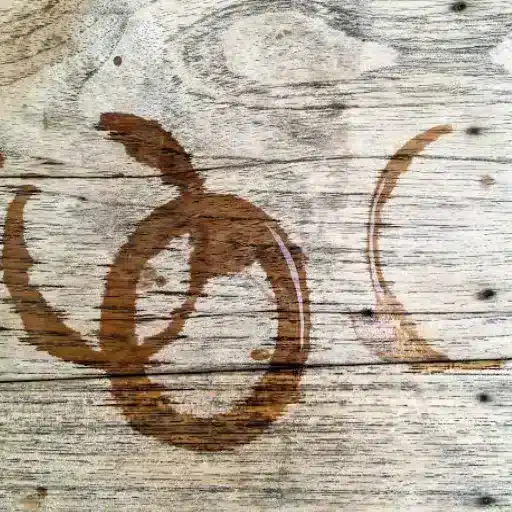
If the wood feels soft, swollen, or crumbly, the water has damaged the structure. Stains alone can be surface issues, but structural damage usually means the wood fibers have absorbed too much moisture. Let the piece dry in a well-ventilated area with fans, then assess whether filler, sanding, or replacement is needed.
When to refinish
Refinishing makes sense when the stain is widespread, the finish is already worn, or multiple DIY methods have failed. It is also a good choice if you want to change the color or sheen of the piece while repairing the damage.
When to call a professional
If the furniture is an antique, has delicate veneer, or is valuable to you, a professional restorer can match stains and finishes in ways that hide the repair. Sometimes the cost of restoration is far less than replacing a damaged heirloom. For full restoration guidance, see our guide on how to refinish water-damaged wood.
Elena inherited a mid-century side table with a black water stain along one corner. The veneer was thin, and the lacquer was original. Rather than risk sanding through the veneer, she took it to a restorer. Two weeks later, the stain was gone, and the finish matched perfectly. For valuable pieces, professional help is often the smartest choice.
How to Prevent Water Stains on Wood Furniture
Use coasters, trivets, and placemats
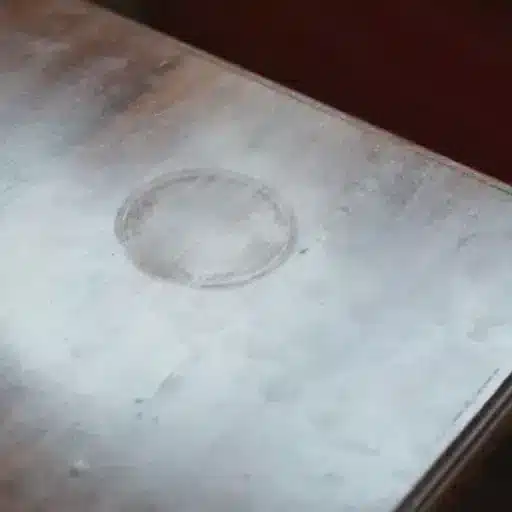
The simplest prevention is also the most effective. Coasters catch condensation from cold drinks. Trivets and placemats create a barrier for hot dishes and plant pots. Felt-backed options also protect against scratches.
Wipe spills immediately
If a glass sweats or a spill happens, blot it up right away. The less time moisture sits on the surface, the smaller the chance it will become trapped under the finish or soak into the wood.
Wax and condition regularly
A healthy finish is your best defense. Apply furniture wax or oil every few months to maintain a moisture-resistant barrier. A well-sealed surface is far less likely to stain.
Control humidity
Wood expands and contracts with humidity. Keeping indoor relative humidity between 40% and 60% reduces the chance of condensation and helps prevent warping. Use a dehumidifier in damp rooms and avoid placing furniture near heating vents.
For a full prevention plan, read our complete guide on how to prevent water stains on wood.
FAQ
Are water stains on wood furniture permanent?
Water stains are not always permanent. White rings usually disappear with heat or oil-based treatments. Dark stains are harder but can often be lightened with oxalic acid or removed by sanding. If the wood itself is damaged or rotted, the affected area may need to be repaired or replaced.
What causes white rings on wood furniture?
White rings form when moisture gets trapped between the finish and the wood. Cold glasses, hot dishes, and damp cloths are common causes. The moisture creates a cloudy appearance in the finish layer.
Can mayonnaise remove water stains from wood furniture?
Yes. Mayonnaise can remove many white water rings because the oil displaces trapped moisture. Apply a thick layer, let it sit for at least an hour or overnight, then wipe it away and polish.
Does baking soda remove water stains from wood furniture?
Baking soda can remove light surface stains because it is a mild abrasive. Mix it with a few drops of water to form a paste, rub gently along the grain, then wipe clean and polish. Do not use it on delicate high-gloss finishes.
How do you remove dark water stains from wood furniture?
Dark stains usually require removing the finish, applying oxalic acid wood bleach to the bare wood, neutralizing with baking soda and water, rinsing thoroughly, and letting the wood dry. Then sand lightly, stain to match, and apply a protective topcoat. For details, see our guide on how to remove dark water stains from wood.
Can you use a hairdryer on water stains?
Yes, a hairdryer on low or medium heat can remove fresh white rings. Hold it 6-8 inches away and move it over the stain in 20-30 second cycles. Stop frequently to check the area.
How do I protect my wood furniture from water stains?
Use coasters and trivets, wipe spills immediately, wax or condition the finish regularly, and keep indoor humidity between 40% and 60%. Avoid placing hot or cold items directly on the wood.
When should I refinish wood furniture after water damage?
Refinishing is a good choice when the stain is widespread, the finish is worn, or DIY methods have failed. It is also worth considering if you want to refresh the overall look of the piece while repairing the damage.
Conclusion
Water stains on wood furniture are frustrating, but they are usually fixable. The key is to diagnose the stain before you treat it. White rings respond to gentle methods like heat, mayonnaise, or baking soda. Dark stains need stronger treatments like oxalic acid or sanding. And when the damage goes beyond the surface, refinishing or professional restoration may be the best path.
Start with the gentlest method that matches your stain type, test every treatment on a hidden area, and work patiently. Rushing or using too much force can turn a small ring into a bigger repair.
For more help, see our complete guide to removing water stains from wood or explore related guides on white water stains, dark water stains, heat stains, veneer damage, refinishing water damage, commercial removers, and prevention.