
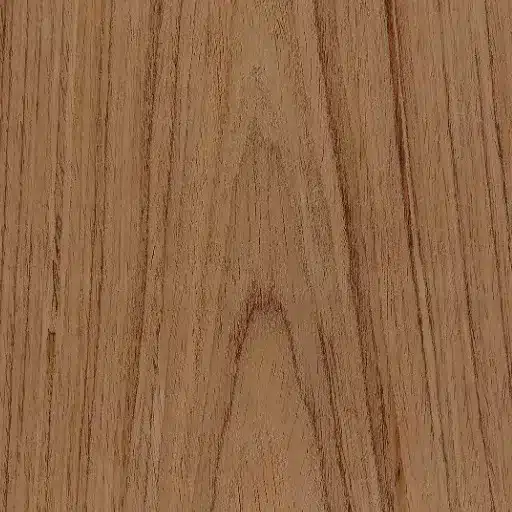
Engineered vs. Natural Wood Veneer: Sustainability & Aesthetics
Wood veneers have become an essential material for interior design, furniture manufacturing, and architectural design because they provide both functional and aesthetic qualities. The decision between using engineered wood veneers or natural wood veneers requires environmental and visual appeal assessment to achieve proper equilibrium. The environmental effects, product lifespan, surface characteristics, and pricing structure create specific advantages and disadvantages for each veneer material. The article provides an extensive analysis of two materials, which will help you select the appropriate material for your upcoming project. The engineered wood veneers and natural wood veneers differ in a specific way, which you must understand to achieve your design objectives while maintaining environmental responsibility.
Understanding Veneer
What is Engineered Wood Veneer?
Engineered wood veneer is a manufactured product crafted from real wood fibers or layers that are reconstituted to mimic the appearance of natural wood grain. The creation of this veneer involves slicing wood into thin sheets, which workers then assemble before they apply dye and compress the sheets to create a uniform appearance of color, pattern, and texture. The production process creates a uniform product, which does not occur in natural wood veneers because it produces exactness, which makes the material suitable for projects that need precise replication.
Engineered wood veneer provides designers with two main benefits because users can expect its performance to remain consistent while they handle various design requirements. Engineered veneers maintain a consistent look across different sheets while natural veneers show different patterns of grain, color, and texture. This feature becomes essential for manufacturing activities that demand equal standards throughout all processes in cabinetry and furniture production and architectural paneling use. Engineered veneers provide designers with multiple design options because they can create visual effects of rare wood species while eliminating environmental damage from their two natural counterparts.
Engineered wood veneer displays two main characteristics because it maintains its structural integrity while providing sustainable environmental solutions. The manufacturing process often makes use of less desirable wood species, which reduces waste while promoting smarter utilization of resources. The controlled production process of engineered veneers results in materials with reduced warping and natural defects. The materials create high reliability in functional and aesthetic product use because they provide durable performance while following environmentally friendly production methods.
The Composition of Natural Veneer
Natural veneer is a thin layer of real wood that is carefully sliced or peeled from a solid log. The process maintains all original tree species characteristics, including grain patterns and texture, and tree-specific variations. The various methods of cutting veneers include rotary cutting, quarter slicing, and plain slicing, which create unique grain patterns that meet different design needs.
Natural veneer maintains its complete natural structure because wood serves as its only material source without any synthetic components. The veneer maintains its original nature because it retains all authentic characteristics, which include its environmental responses to humidity and temperature changes. The natural veneer will experience minor expansion and contraction, which needs to be taken into account during its application process, which requires evaluation for permanent efficiency.
Natural veneer is highly valued because it provides sustainable environmental benefits while maximizing timber resource utilization. The process of producing thin wood slices enables manufacturers to create high-quality panels while using only a small quantity of wood. The product serves as an environmentally friendly option, particularly when it comes from forests that receive responsible management. The material exists as an environmentally friendly solution, which manufacturers and designers use today because its natural composition allows for safe waste disposal with limited impact on the environment.
Comparing Thickness: Thick Veneer vs. Standard Veneer
Thick veneers are more durable and allow refinishing, while standard veneers are thinner, more economical, and suited for lighter applications.
|
Key Point |
Thick Veneer |
Standard Veneer |
|---|---|---|
|
Thickness |
4mm+ |
1.5-3mm |
|
Durability |
High |
Moderate |
|
Refinishing |
Possible |
Limited |
|
Cost |
Higher |
Lower |
|
Application |
Heavy Use |
Light Use |
Manufacturing Processes
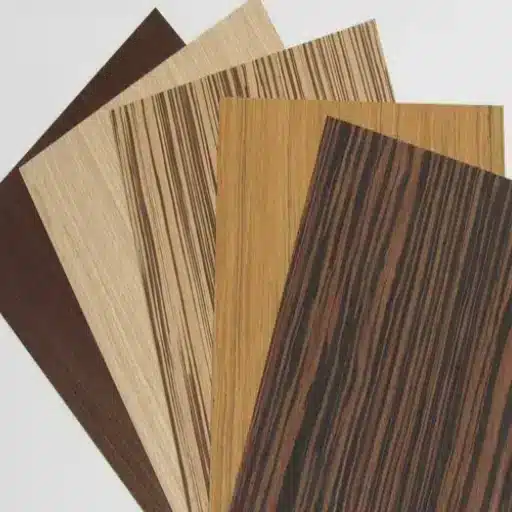
The Engineering Behind Engineered Wood
Engineered wood which people also know as composite wood, results from advanced manufacturing methods that transform natural wood fibers and veneers into materials with great strength and multiple useful applications. The process starts with the disassembly of raw timber into its essential parts, which include wood strands and particles and veneers. The two elements are connected through the application of adhesives and resins, which create a hostile environment at elevated temperatures and high pressure to produce a complete and equal product.
New methods for this procedure establish new standards through modern accuracy engineering, which produces materials with improved strength-to-weight performance and protection against warping and stable size characteristics. The production process for cross-laminated timber uses a method that stacks wood layers at different angles to improve its strength while decreasing its danger of cracking. Oriented strand board (OSB) manufacturing involves wood strands that need to be positioned in specific ways to achieve their highest strength capabilities.
Engineered wood products achieve performance levels that fulfill the requirements for high-stress situations found in structural beams and flooring panels through the scientific process, which refines natural materials into engineered wood products. The processes achieve low waste production because wood byproducts, which would end up as waste material, can be transformed into useful building products.
How Natural Veneer is Sliced and Processed
The manufacturing process of natural veneer starts with identifying premium trees which loggers select based on their wood characteristics. The logs undergo a debarking process to remove the outer bark which creates a smooth surface necessary for slicing operations. Veneer slicing typically involves one of three main methods—rotary cutting, flat slicing, or quarter slicing—each of which produces distinct grain patterns and characteristics. The process of rotary cutting begins with log installation on a rotating lathe, which operators use to produce continuous sheets that deliver maximum yield with consistent patterns. Flat slicing involves cutting the log along its length, which creates straight grain patterns that display natural variation,while quarter slicing divides the log into quarters to produce precise symmetrical grain patterns.
The veneer sheets undergo a drying process which reduces their moisture content while maintaining stable dimensions. The advanced drying techniques utilize either belt dryers or vacuum dryers to achieve product uniformity while protecting against defects which include warping and splitting. The veneer undergoes trimming to achieve exact dimensions, which staff members then examine for quality control before grading according to established standards that evaluate color uniformity and grain pattern matching, and defect occurrence.
The processed veneer sheets commonly bond to substrates which include medium-density fiberboard (MDF) and particleboard, through the application of environmentally friendly adhesives. The process of lamination enhances the final product’s ability to endure mechanical stress while transforming natural resources into economical materials that furniture makers, cabinet builders and interior designers can use for their work. The field of veneer processing has developed new technologies which include digital grain-matching systems and automated slicing techniques that achieve product consistency while decreasing material waste and production duration.
Technological Innovations in Veneer Production
The veneer production industry has achieved significant progress because advanced technology has created better production methods and improved material performance and achieved environmental friendly results. Computer Numerical Control (CNC) technology serves as the primary innovation that enables operators to execute precise cutting and shaping operations for veneer sheets. The use of CNC machining enables manufacturers to create complex designs while achieving high precision, which results in decreased human mistakes and minimal material wastage. The combination of CNC systems and optical feedback loops delivers consistent thickness and quality results across multiple production run,s which eliminates the variations that typically occur in manual production processes.
The establishment of high-frequency vacuum pressing systems represents another important technological advancement. The bonding process benefits from these systems which accelerate adhesive curing while maintaining both efficiency and durable results. High-frequency pressing not only speeds up production cycles but also enhances the structural integrity of veneered products, making them more resistant to wear over time. The systems operate with low energy consumption, which makes them suitable for eco-friendly production methods that meet the rising need for sustainable manufacturing options.
The implementation of automation and machine learning technologies has transformed the entire workflow of veneer production operations. Automated defect detection systems that use artificial intelligence technology have become common tools for detecting and separating faults during both slicing and drying stages of veneer processing. The AI algorithms examine surface textures in real time to guarantee that only the highest quality sheets progress to the next processing stage. The systems result in better overall yield, and they decrease quality control downtime which is associated with quality control procedures. The manufacturing processes of veneer production are evolving toward smarter operations that need fewer resources and create sustainable results through advanced production methods.
Aesthetics and Design Considerations
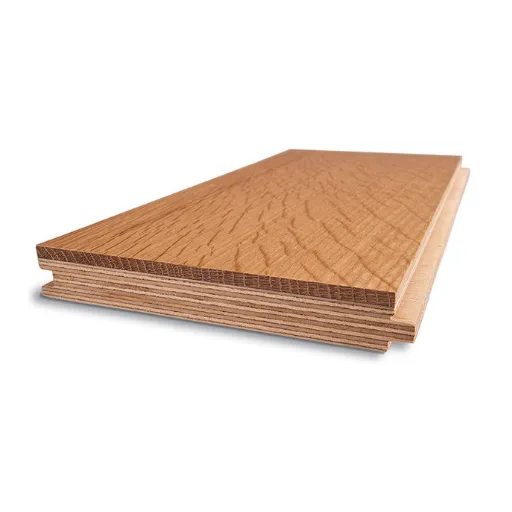
Visual Appeal: Engineered Veneer vs. Natural Veneer
Natural veneers offer unique, authentic grain patterns, while engineered veneers provide consistent, uniform appearances free of imperfections.
|
Key Point |
Natural Veneer |
Engineered Veneer |
|---|---|---|
|
Appearance |
Unique |
Uniform |
|
Grain |
Authentic |
Reconstructed |
|
Consistency |
Variable |
High |
|
Imperfections |
Present |
Absent |
|
Aesthetic |
Natural |
Modern |
Veneer Flooring: Aesthetic Choices for Home Décor
The versatile and sophisticated solution of veneer flooring enables interior spaces to achieve improved aesthetic appeal through its application. The manufacturing process improvements enable engineered veneer flooring to match natural wood products in both visual appeal and material strength. Customers can select from a vast array of wood species, finishes, and textures, allowing for tailored designs that complement various interior styles, whether contemporary, rustic, or traditional. Veneer flooring delivers the advantage of matching grain patterns and colors throughout a room which results in an aesthetic appearance that creates a unified design.
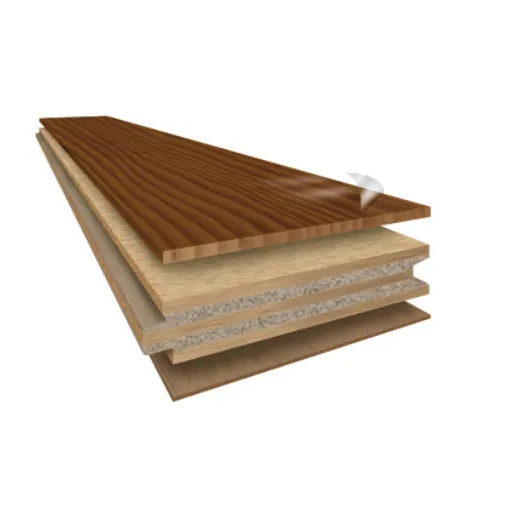
The technical analysis shows that veneer layers bond through adhesive methods to core layers made of either high-density fiberboard HDF or plywood, which improves the material’s ability to maintain its shape and resist bending thus ensuring its durability throughout extended use. The wear layer consists of natural hardwood and engineered veneer materials which come in various thicknesses to meet the needs of residential and commercial spaces. The sustainable practice of environmentally friendly sourcing materials has emerged as a key component in the production process of veneer flooring. Many manufacturers are now adopting certified sustainable practices, such as FSC (Forest Stewardship Council) wood sourcing, which aligns with the growing consumer demand for environmentally responsible materials.
Veneer flooring serves as an ideal option for homeowners who desire design flexibility and permanent structural performance and environmental benefits. Proper selection and installation of veneer flooring will create beautiful residential spaces that function well and showcase both individual design preferences and contemporary design trends.
Real Wood vs. Engineered Hardwood: A Design Perspective
Real wood offers unmatched authenticity and premium aesthetics, while engineered hardwood provides design versatility, cost-effectiveness, and better moisture resistance.
|
Key Point |
Real Wood |
Engineered Hardwood |
|---|---|---|
|
Material |
Solid |
Layered |
|
Aesthetic |
Authentic |
Versatile |
|
Durability |
High |
Moderate |
|
Moisture |
Low Resistance |
High Resistance |
|
Cost |
Expensive |
Affordable |
Applications and Use Cases
Engineered Wood Flooring Veneers: Pros and Cons
Engineered wood flooring veneers serve as a functional solution for contemporary interior spaces because they combine the visual beauty of natural wood with improved structural strength. The following section presents a comprehensive analysis that examines the strengths and weaknesses of these materials.
Pros:
- Durability and Stability: Engineered wood veneers use multiple plywood or high-density fiberboard (HDF) layers to create a structure that supports a thin hardwood top layer. The multi-layered structure of these materials delivers protection against warping and swelling, which occurs during temperature and humidity changes, thereby making them suitable for areas that experience changing weather patterns.
- Cost-Effectiveness: Engineered veneers deliver identical visual appeal to solid hardwood at a more affordable price. The thinner hardwood layer reduces material costs without sacrificing appearance, making it an attractive option for budget-conscious homeowners.
- Ease of Installation: Engineered wood veneers typically exist in pre-finished and click-and-lock formats that enable installers to complete their work at a faster pace (more efficiently). This solution decreases expenses for labor while providing homeowners with options they can complete themselves.
- Environmental Sustainability: These veneers use a small quantity of solid hardwood, which enhances sustainable forestry practices. The plywood or HDF layers use fast-growing wood species, which further decrease environmental damage.
- Wide Range of Styles: Engineered veneers allow users to choose from different wood species and finishes and textures to achieve various aesthetic appearances. This enables users to mirror the appearance of exotic or reclaimed wood materials while maintaining compatibility with contemporary production methods.
Cons:
- Limited Refinishing Potential: Engineered wood veneers can only undergo sanding and refinishing procedures one to two times during their entire lifespan because their top layer contains thin hardwood material. High foot traffic areas and areas that experience frequent usage require this aspect to be examined carefully.
- Susceptibility to Surface Damage: The underlying layers deliver structural support for the floor system while the veneer surface shows less protection against deep scratches and dents than solid wood floors which have thicker construction. The maintenance process requires special attention to this particular situation.
- Moisture Sensitivity: Engineered wood provides better moisture protection than solid hardwood yet extended water contact will result in damage to the material. The proper seals need to be established because maintenance needs to be done in kitchen and basement spaces.
- Middle-Tier Lifespan: Most engineered hardwood floors last between 20 and 30 years which meets the needs of most users but falls short of the lifetime performance offered by solid hardwood. This aspect becomes essential because homeowners search for flooring options which will serve them well throughout extended time periods.
- Variation in Quality: The performance and durability of engineered veneers largely depend on the quality of the materials and manufacturing process. The products which lack proper quality control will deliver poor performance which results in problems such as peeling and shortened product lifetime.
Homeowners and designers can evaluate the benefits and drawbacks of engineered wood flooring veneers to determine their suitability for meeting functional requirements and aesthetic preferences while staying within budget constraints.
Case Studies: Successful Projects Using Engineered Veneer
1. Residential Renovation in Urban Setting
The complete interior renovation of a high-profile residential project in New York City used engineered veneer as its main material. The design needed to find a middle ground between modern decorative elements and the strong protective materials necessary for the house’s busy areas. The team used oak-engineered veneers which they applied to a sustainable plywood core to create a modern design that stayed within budget. Designers applied UV-cured coatings to pre-finished veneers which provided high scratch protection while maintaining a uniform appearance. The flooring and paneling materials installed three years ago have maintained their original condition without any signs of damage, which demonstrates that engineered veneer materials can withstand the harsh conditions present in urban settings.
2. Commercial Office Space – Green Building LEED Certification
The technology startup located in Silicon Valley used engineered veneers as a sustainable interior design element that helped the company achieve LEED Gold certification. The project used bamboo-engineered veneers which came from sources that could be quickly renewed. The material matched the sustainability requirements of the firm while it created an attractive natural look for the conference rooms and communal areas. The precise manufacturing and uniformity of the veneer ensured waste reduction during installation, contributing to the project’s efficient use of resources, and fitting into the LEED material and resources credit criteria. The study results showed that maintenance costs for wood materials dropped by 25% when users switched to post-usage studies.
3. Luxury Hospitality Suite in Coastal Environment
The California coastal luxury hotel encountered problems with natural wood materials because the humid salty environment caused constant wood warping. The team selected engineered veneer because it used teak which had been treated with a high-grade aluminum oxide finish as their main material. The material provided the classic beauty of natural teak which remained protected against environmental damage. The veneers stayed intact throughout their entire period of use because they remained in their original condition without losing any part of their surface.
These case studies underline the versatility of engineered veneers in various sectors, emphasizing their ability to offer aesthetic flexibility, environmental benefits, and long-term performance.
Future Trends in Veneer Technology
Innovations in Engineered Wood Products
The engineered wood product sector is experiencing fast technological growth because of increasing need for eco-friendly building materials and advanced production methods. The main breakthrough in construction technology originates from cross-laminated timber (CLT) and laminated veneer lumber (LVL) which provide construction professionals with materials that possess better strength-to-weight ratios and exceptional dimensional stability. The products have permitted construction teams to create increasingly taller mass timber structures which demonstrate a transition toward contemporary sustainable building design.
The environmental impact of engineered wood products is decreasing because of recent progress in adhesive and binding technologies which enable manufacturers to use low-emission resins and bio-based adhesives for meeting environmental compliance standards. Surface treatments, including nanotechnology coatings, offer enhanced protection against moisture and UV radiation and wear which extends the operational life of engineered veneers and panels.
The combination of automation and digital systems brings new solutions for improving production methods. The manufacturing process benefits from computer-aided design (CAD) and computer numerical control (CNC) machining because these methods enable more accurate results while producing less waste. Manufacturers can achieve better raw material efficiency and lower environmental damage through technologies that work with data-driven solutions. Engineered wood manufacturing companies use machine learning algorithms to enhance their quality control processes and estimate how their products will perform in different uses.
The future of engineered wood products depends on three key areas which include sustainable practices, technological progress, and material science developments because these elements will make engineered wood products essential for environmentally friendly and high-performing construction methods.
Market Trends: Consumer Preferences for Veneer Types
Consumer preferences for veneer types are increasingly shaped by a combination of aesthetic appeal, functionality, and sustainability. The engineered veneer products have become popular because their texture and color remain constant, which makes them suitable for contemporary designs that require uniform appearance. Natural veneers, on the other hand, continue to appeal to consumers who value the authenticity and unique grain patterns that reflect organic growth processes.
An emerging trend is the growing demand for sustainable and formaldehyde-free veneer options, driven by heightened environmental awareness and stricter regulations in the construction and furniture industries. Buyers are also leaning toward veneers derived from certified sources, such as Forest Stewardship Council (FSC)-certified timber, which ensures responsible forest management practices.
The development of new manufacturing technologies enables the production of veneers that replicate exotic wood species without using endangered natural resources. This innovation serves dual purposes because it helps businesses and consumers achieve reduced environmental impact while they retain their high-quality visual standards. The veneer market currently exists in a state of rapid transformation because it integrates traditional craftsmanship methods together with contemporary performance standards and environmental protection requirements.
Predictions for the Future of Veneer in Design
The design field will see future developments of veneer material through technological advancements and environmental considerations and design trends. The first major prediction states that smart technology will become part of veneer surface materials. Through new developments in conductive materials and embedded sensors technology veneers will change from their current role as decorative elements to become interactive functional design components. The design of veneered furniture and veneered wall systems will enable users to interact with touch-sensitive controls and temperature regulation systems that operate through their materials.
Manufacturers will continue to adopt sustainability as their main driving force because they use bio-based adhesives and non-toxic finishes to create environmentally compliant veneers. The creation of precision-engineered veneers through digital manufacturing methods which include laser cutting and AI-assisted design will result in reduced waste production and the development of complex custom designs. The innovations will fulfill the rising residential and commercial demand for distinctive environmentally friendly products.
Current design trends show that aesthetic preferences now emphasize development of bold experimental aesthetic styles. The design community will begin to prefer blended materials which use recycled fibers and metallic elements and traditional wood veneers because these materials provide designers with new creative possibilities for achieving exceptional visual effects and distinctive textural elements. The design community pushes for customized design through interior and product design which enables users to create unique veneer designs that match their specific needs while maintaining product strength and environmental protection.
The rising demand for ecosystem-friendly products has established consumer requirements for advanced features and environmentally friendly materials which need customized solutions. The veneer industry will follow its future path according to its capability to meet diverse market requirements in multiple areas.
References
-
Laminated Veneer Lumber (LVL) as a Construction Material
This fact sheet from Oklahoma State University discusses the applications and properties of laminated veneer lumber, a type of engineered wood. -
Engineered Wood Products and Their Potential Impacts on Forestry
This academic paper explores the production and environmental impacts of engineered wood products. - Click here to read more.
Frequently Asked Questions (FAQ)
Q: What is Engineered Wood Veneer, and how does it differ from natural veneer?
A: Engineered Wood Veneer consists of thin wood sheets, which manufacturers create through the process of gluing together wood sheets to form blocks that they later cut into thin strips. The production of engineered veneer sheets uses multiple wood imitation methods that enable manufacturers to create authentic wood appearances while controlling core wood elements such as color and grain patterns, which results in more affordable products.
Q: How is engineered veneer made, and what role does glue play?
A: Engineered veneer production involves the combination of natural hardwood veneer and processed veneer through the application of glue, which creates a complete sheet of wood veneer from thin veneer slices that are glued together and then cut into sheets. The glue and pressing process stabilizes the plank-like layers, allows the use of fast-growing trees or different core species used for strength, and produces engineered veneer sheets that behave more consistently than single-sheet natural veneer.
Q: Can engineered wood veneer provide the look and feel of real hardwood?
A: Yes. High-quality engineered wood veneer can mimic the look and feel of real hardwood, which reproduces the warmth, color, and grain of walnut, birch, and other wood types. The synthetic materials and laminate products try to reproduce wood appearance, but engineered veneer materials deliver superior results through their authentic wood beauty and accurate wood grain display from the core species.
Q: Is engineered wood veneer suitable for wood veneer flooring and other decor applications?
A: Engineered wood veneer serves as a common material that architects use for wood veneer flooring while also being applied in cabinetry and furniture production, and any situation where a natural wood appearance needs to be enhanced through stable materials. A layer of plywood or an engineered core combined with a top veneer layer provides.