
Prefinished Engineered Flooring Maintenance: The Complete Care Guide
Prefinished engineered flooring maintenance comes down to one rule: match your care to the finish on top of the floor, not to wood in general. The finish on prefinished engineered flooring is cured in a factory, and the wrong cleaner dulls or damages it just as easily as too much water does.
That is what separates this guide from a general cleaning article. Here is the routine that keeps a factory finish intact, the chemistry that protects it, and the honest line on what you can recoat, repair, or should leave to a professional.
If you’ve just installed prefinished boards, you’re probably holding a warranty document and a mop, with no one explaining how the finish actually behaves. If your floor has been down for a few years, you may be wondering why the surface looks hazy, or why dust collects in dark lines along the seams. Both questions have clear answers, and neither one requires harsh chemicals or a professional crew. Let’s walk through them.
Key Takeaways
- Match care to finish type: aluminum-oxide and UV-lacquer film finishes are protected; UV oil and hardwax oil finishes are replenished. They are not maintained the same way.
- Dry removal first, then a barely damp mop, never wet, never steam. Standing water is the fastest way to reach the wood core.
- Wax, oil soap, and all-purpose cleaners build up on a factory film, cloud the surface, and can block a future recoat.
- Micro-bevels are a manufacturing feature that traps dust, so they need specific cleaning, not hard scrubbing.
- Sanding, screening, or a third-party coating usually voids the finish warranty. Check the terms before you touch the surface.
Why Prefinished Engineered Flooring Needs Its Own Care Routine
Prefinished engineered flooring leaves the mill walk-on-ready. The planks carry a real wood wear layer over a stable cross-ply core, and the whole surface is finished and cured before it ever reaches your home. That construction is covered in depth in our guide to prefinished engineered wood flooring, but for maintenance purposes the construction matters less than what sits on top of it. If you are still weighing that finish decision, our comparison of prefinished vs. unfinished hardwood flooring lays out the trade-offs.
Film Finishes vs. Oil Finishes
The single most useful thing to know about your floor is which finish family it belongs to.
A film finish (aluminum oxide or UV lacquer) is a sealed coating. Aluminum oxide is a hard mineral, roughly a 9 on the Mohs scale, second only to diamond. It resists abrasion extremely well. You protect a film finish; you never feed it.
An oil finish (UV oil or hardwax oil) sits in the wood rather than on top of it. It needs to be replenished with a finish-specific soap and periodic maintenance oil. Treating an oil floor like a film floor, or the reverse, is the most common maintenance error we see.
What a Factory Finish Tolerates
A factory finish handles more than most people assume. It tolerates damp cleaning, pH-neutral chemistry, and routine foot traffic for decades. What it doesn’t tolerate is standing water, heat, solvents, wax, oil soap, and anything abrasive. Understanding that short list removes almost all of the guesswork.
Want the care schedule and approved cleaners for your specific finish? Talk to our team about samples and specifications →
The Routine: Daily, Weekly and Seasonal Care
A prefinished floor needs less work than a site-finished one, but the work it needs is consistent. Think of it in three rhythms.
Daily: Remove Grit Before It Becomes a Scratch
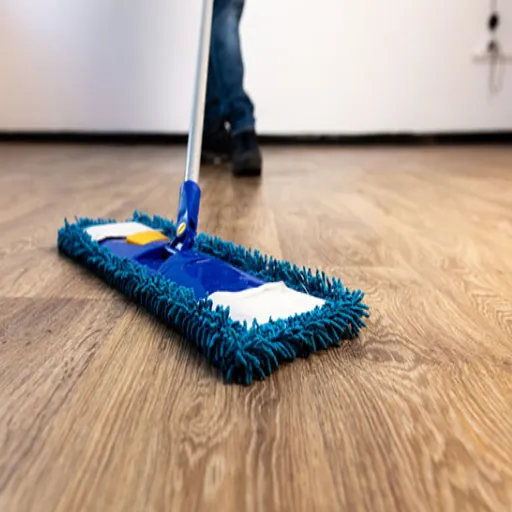
Dust, sand, and tracked-in grit are abrasives. Left on the surface, they grind against the finish under every footstep. Remove them with a soft broom, an electrostatic or microfiber dust mop, or a vacuum set to the hard-floor setting.
Never use a vacuum with a rotating beater bar on a wood floor. The brush and its housing scratch the finish. This daily habit alone prevents the majority of the wear most homeowners blame on the cleaner.
Weekly: Damp Mop the Right Way
A microfiber mop wrung until it is barely damp is the correct tool. Work with the grain in short passes, and dry any residue before it sits. The watchword is damp, never wet. A dripping mop pushes water into the seams, and that is where real damage begins.
Use a pH-neutral cleaner made for wood, or the manufacturer’s own matched system. If you want the general supplies, DIY options, and safety basics, our wood floor cleaning guide covers the universal routine. This article stays focused on what is unique to a factory finish.
Seasonal: Deep Clean and Inspect
Once a season, do three things. Clean the bevels (more on that below). Check and replace worn furniture pads. And confirm your indoor humidity is still in range. A seasonal pass catches small problems while they are still small.
Choosing a Cleaner for a Factory Finish
Prefinished engineered flooring maintenance starts with the cleaner, and the right cleaner depends entirely on the finish. Use this as a quick reference.
| Finish type | Safe approach | Avoid | Recoat path |
|---|---|---|---|
| Aluminum oxide | pH-neutral wood cleaner or manufacturer’s system | Wax, oil soap, “shine” products | Often requires a bonding/adhesion system |
| UV lacquer | pH-neutral cleaner | Solvents, abrasives, steam | Varies; test a patch first |
| UV oil | Finish-specific soap | Film-forming cleaners | Re-oil, don’t recoat |
| Hardwax oil | Finish-specific soap + maintenance oil | Wax buildup, all-purpose cleaners | Re-oil periodically |
For a deeper look at how these finishes differ, see aluminum oxide floor finish and UV oil vs. aluminum oxide flooring. If you are deciding between finishes for a new floor, our rundown of prefinished wood flooring finishes breaks down sheen, texture, and grade.
Aluminum Oxide and UV Lacquer
These are film finishes, so you protect the film. A pH-neutral hardwood cleaner is the safe default. Avoid anything that adds a layer on top: wax, polish, oil soap, and “restore” products. They leave a film that dulls the floor and, worse, can prevent a future recoat from bonding.
A homeowner named Dana learned this the hard way. Dismayed by a slightly matte aluminum-oxide floor, she applied a popular big-box “rejuvenating” polish across her living room. Within a month the surface looked greasier, not richer, and dust clung to it. When she later asked a refinisher about a screen-and-recoat, he told her the polish would have to be chemically stripped first or the new coat would peel.
UV Oil and Hardwax Oil
These finishes are replenished, not sealed. Clean with a finish-specific soap, and top up with a maintenance oil periodically. Most oil floors want attention somewhere between every 6 and 24 months, depending on traffic. You shouldn’t treat them like a film, and you shouldn’t let a cleaner leave a film on them either.
What Dulls or Damages a Factory Finish
Here is the short list, and the reason behind each one.
- Wax and polish: build up on the surface and block recoat adhesion.
- Oil soap: leaves a residue film that clouds a sealed finish.
- Vinegar and acidic cleaners: dull a film finish over time.
- Ammonia and bleach: strip or discolor the coating.
- Abrasive pads and scouring powders: scratch the film permanently.
- Excess water and steam: push moisture past the finish into the core.
If you remember nothing else: what you should not use on prefinished hardwood floors is anything that either scrubs the surface or coats it. Clean, don’t coat; lift, don’t scrub.
The cheapest maintenance is prevention. Protect the finish instead of repairing it. Request the care schedule for your floor →
Cleaning the Bevels: The Dust Trap Everyone Complains About
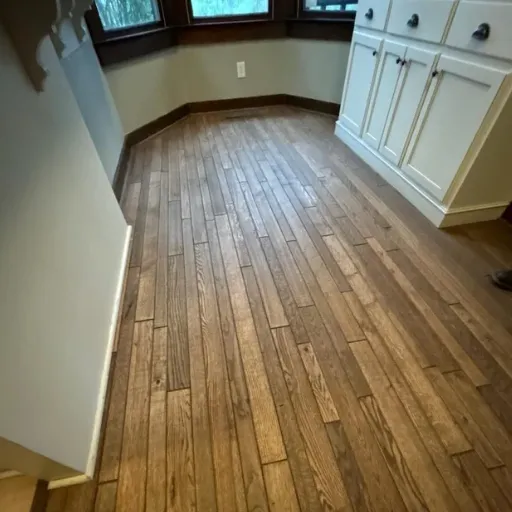
Micro-bevels are the small chamfered edges where two prefinished planks meet. They exist for a reason: they hide minor overwood and milling variation that a flush, sanded-on-site floor would reveal. They are a feature, not a defect.
The trade-off is that a bevel is a shallow trough. It catches dust, crumbs, and sock lint, which collect as dark lines under raking light. This is the single most common post-purchase complaint about prefinished floors, and almost no competitor care guide addresses it.
The fix is simple and gentle. Run a soft brush or a vacuum crevice tool along the seams, then finish with the corner of a barely damp microfiber cloth. Never use a wire brush or a scraper, which will abrade the finish inside the groove.
It also helps to distinguish a bevel shadow from a true gap. A bevel is uniform and even. A gap that is irregular, that opens and closes with the seasons, or that is wide enough to catch a fingernail points to something else, and our guide to prefinished engineered hardwood problems explains what causes those.
Humidity, Temperature and Sunlight
Humidity control is maintenance, not just comfort. Wood moves as moisture in the air changes, and prefinished floors are most stable when indoor relative humidity stays roughly between 35% and 55%.
Outside that band, planks expand and contract. Bevels open wider in dry winter air, and seams can tighten or lift in humid summer air. Keeping a stable range is one of the least expensive things you can do to protect the floor, and it is usually written into the warranty as a condition. A simple hygrometer, plus a humidifier in heating season and a dehumidifier in wet months, covers it.
Temperature works the same way. Keep interiors comfortable and stable, and if you have radiant heat, follow the manufacturer’s surface-temperature limit and ramp schedule.
Sunlight is the third, quieter factor. UV exposure fades and shifts the color of wood over time. Rugs, blinds, and UV-filtering film slow it down, and rotating rugs and furniture occasionally lets the whole floor age evenly rather than in patches.
Preventing Wear: Furniture, Pets, Entrances and Rugs
Prevention is where a factory finish earns its keep. A few habits extend the finish for years.
- Furniture: Use wide, load-bearing glides or felt pads, and inspect them. Worn felt that has trapped grit becomes sandpaper. Do not drag heavy furniture; lift or dolly it.
- Entrances: Place mats at doors to catch grit and moisture. Avoid rubber, foam, or latex backings, which can discolor a finish. Use an approved underlayment under rugs, and clean underneath them.
- Pets: Keep nails trimmed. For pet households, sheen matters more than hardness, because matte and textured finishes hide scratches best. Our guide to the best prefinished flooring for dogs goes deeper on that choice.
- Traffic zones: A well-placed area rug in a pivot area absorbs wear that would otherwise land on the finish.
Spills, Stains and Scuffs: Finish-Safe Fixes
When something spills, the timer starts. Blot immediately with a damp cloth, and never let liquid stand. Most damage on a factory finish comes from liquid left to soak, not from the spill itself.
Before treating any mark, run a quick check. Draw a fingernail across it. If your nail glides over a whitish or dull line, the damage is in the finish layer, and it is maintenance territory. If your nail catches and you can see exposed wood, the finish is penetrated, and that is repair or refinish territory.
| Stain | Method |
|---|---|
| Water marks | Blot dry; let air dry |
| Grease or oil | Mild degreaser, then manufacturer cleaner |
| Candle wax or gum | Harden with ice, lift with a plastic scraper |
| Ink or marker | Isopropyl alcohol on a white cloth, then wipe clean |
| Fine scuffs | A finish-matched touch-up marker for minor marks |
Blot and lift. Never scrub a factory finish, because abrasion is permanent on a film.
Recoat, Repair or Replace: The Honest Line
Eventually, every finish shows wear. The question is what actually fixes it.
Screen-and-Recoat: Sometimes, Not Always
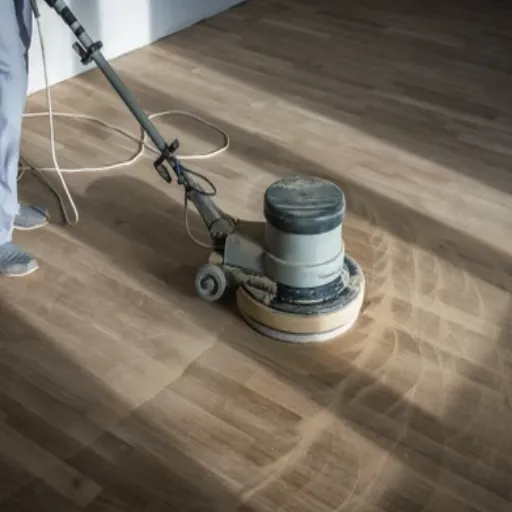
A screen-and-recoat lightly abrades the existing finish to give a new coat something to grip, then adds fresh finish without touching the wood. On a prefinished floor it works sometimes, and only under the right conditions.
Aluminum-oxide surfaces are hard to abrade, and some carry additives that repel a new coat. The reliable approach is a manufacturer bonding or adhesion system, paired with that finish maker’s approved topcoat. Always test a patch in a closet first, let it cure, and try to scratch it off with a fingernail. If it lifts, stop.
Recoating is not viable on hand-scraped or distressed floors, waxed floors, oil-finished floors, or any floor with a failing or delaminating finish. When in doubt, the full decision path lives in our guide on whether you can refinish prefinished engineered hardwood.
For the industry finishing standards behind these limits, including the 3/32-inch minimum wear layer, see the NWFA floor finishes reference. The trade press at Wood Floor Business documents why factory finishes so often reject a recoat, which is worth reading before you commit to one.
DIY vs. Professional
A screen-and-recoat is a job for a confident homeowner only if four things are true. You are screening rather than sanding flat, the wear layer is 3 mm or thicker, a test patch passed, and you accept that a mistake is not recoverable. If the wear layer is thin, if the floor has been refinished before, or if you want a different color, hire a professional.
The Warranty Warning
This is the part warranty documents state quietly and care guides skip. Sanding, screening, or applying a third-party coating commonly voids the finish warranty on prefinished flooring.
Mike, a contractor in Ohio, learned it on a client’s behalf. A third-party recoat on a two-year-old floor looked fine for one season, then started peeling along a hallway. The manufacturer declined the claim because the surface had been altered. A five-minute call before the work would have saved the argument.
Read the exclusions first, and when a fix is cosmetic, weigh it against the protection you would give up.
A Prefinished Engineered Flooring Maintenance Schedule
| Cadence | Task | Why it matters |
|---|---|---|
| Daily | Dust, sweep, or vacuum with a hard-floor head | Removes grit before it scratches |
| Weekly | Damp mop with a pH-neutral cleaner | Lifts soil without water damage |
| Monthly | Inspect furniture pads, mats, and rugs | Catches trapped grit early |
| Seasonal | Clean bevels; check humidity | Prevents seam and bevel problems |
| Annually | Review the finish; assess recoat timing | Extends the interval before refinishing |
FAQ
Can I use a steam mop on prefinished engineered flooring?
No. Steam drives heat and moisture into the seams and can reach the wood core, causing warping and finish failure. Use a barely damp microfiber mop instead.
Can I use vinegar on prefinished hardwood floors?
We do not recommend it. Vinegar is acidic and dulls a film finish over time. A pH-neutral wood cleaner does the same cleaning job without the risk.
What is the best cleaner for prefinished engineered floors?
A pH-neutral hardwood cleaner, or the finish manufacturer’s own matched system, is the safe default. For oil finishes, use a finish-specific soap and maintenance oil instead.
Can you recoat prefinished floors without sanding?
Sometimes. A screen-and-recoat can refresh a worn finish, but aluminum-oxide surfaces often need a bonding system and a successful test patch first. It is not viable on waxed, oil-finished, distressed, or failing floors.
Does recoat void the warranty on prefinished floors?
Sanding, screening, or applying a third-party coating commonly voids the finish warranty. Check your manufacturer’s exclusions before any work is done.
How do I clean the bevels in prefinished flooring?
Use a soft brush or a vacuum crevice tool along the seams, then a barely damp microfiber corner. Never use a wire brush or scraper inside the groove.
What humidity should I keep for engineered wood flooring?
Keep indoor relative humidity roughly between 35% and 55% and temperatures stable. This is a common warranty condition as well as a comfort setting.
Are felt pads safe on engineered wood floors?
Good ones are, if you inspect them. Worn felt that has trapped grit scratches the floor. Wide, smooth load-bearing glides are a safe alternative.
Keep the Finish, Keep the Floor
Prefinished engineered flooring maintenance is not complicated, but it is specific. Protect the finish rather than trying to repair it. Dust often, mop with the right cleaner and the minimum water, and keep the room stable. Those habits carry a factory finish through decades of daily life.
Do two more things and you have it covered. Clean the bevels before they read as dark lines, and know the line between what you can maintain and what voids a warranty. When a floor finally wears past maintenance, refinishing keeps it out of a landfill, and that is worth a call before a replacement quote.
Have questions about the right cleaner or care schedule for your specific finish? Talk to our team, and we will match the routine to the floor you actually own.