
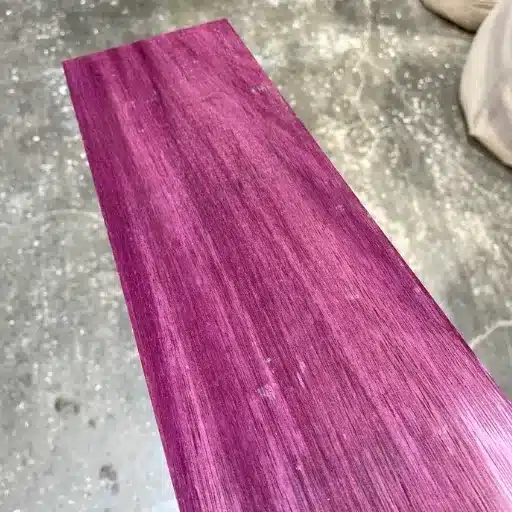
Is Purple Heart Wood Toxic? A Woodworker’s Safety Guide
No, purple heart wood is not toxic or poisonous, but its dust is a known sensitizer that can irritate your skin, eyes, and lungs. That distinction matters more than most articles admit: the real risk lives in the workshop, not in the wood itself, and it is manageable with a few simple protective habits.
Ask ten woodworkers if purple heart wood is toxic and you’ll get ten different answers. One forum thread warns of poison darts and skin rashes that never heal. The next insists it is perfectly safe and the wood is misjudged. Both sides argue with conviction, and in the middle sits a beginner holding a freshly sawn board, wondering if it is safe to even pick up.
This guide settles the question with the medical literature, the wood’s actual chemistry, and real workshop experience. You’ll learn what “sensitizer” really means, which symptoms matter, who should avoid the wood entirely, and exactly how to work with it safely. If you’re new to this species, our purple heart wood complete guide walks through the full picture from tree to finished project.
Key Takeaways
- Purple heart wood is not toxic or poisonous, but it is a documented sensitizer: repeated dust exposure can trigger skin, eye, and respiratory reactions in some people.
- The hazard is concentrated in woodworking (sanding, cutting, sawing), not in finished, sealed pieces. A finished cutting board is a separate question covered in our food-safe guide.
- Published dermatology cases (including a guitar maker with allergic contact dermatitis) confirm the risk is real but uncommon and mostly occupational.
- A P100 respirator, safety glasses, gloves, and source dust collection handle the risk for the vast majority of woodworkers.
- People with existing wood allergies, asthma, or rosewood sensitivity are at higher risk and may want to choose a different species.
Is Purple Heart Wood Toxic? The Short Answer
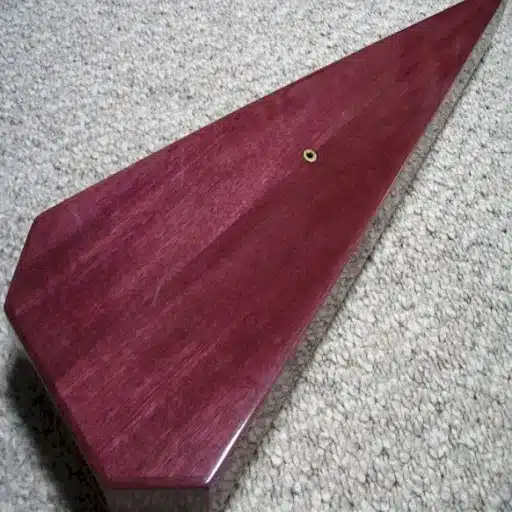
Purple heart wood (Peltogyne spp.) is not toxic in the way most people mean the word. It won’t poison you if you touch it, and there’s no record in wood chemistry supporting the old legend that the wood was used to tip poison darts. What it is, is a sensitizer: a material that can cause an allergic-style reaction in some people after exposure, especially to its dust.
Here is the three-level picture worth keeping in your head:
- Not acutely toxic. Nothing in purpleheart’s chemistry harms you through ordinary contact or ingestion at normal exposure levels.
- A sensitizer with repeated exposure. The dust can irritate skin, eyes, and airways. For most people the reactions are mild and temporary. For a smaller group, exposure builds sensitivity over time and each contact gets worse.
- Risk concentrated in the workshop. The danger is breathing and touching dust while you machine the wood, not holding a finished piece or eating off a sealed cutting board.
The Wood Database, the standard reference for woodworkers, puts it plainly: purpleheart is “reported as a sensitizer; usually most common reactions simply include eye and skin irritation, as well as nausea.” Severe reactions are uncommon, but they are documented, which is exactly why the question deserves a straight answer rather than a shrug.
“Toxic” vs. “Sensitizer”: Why the Distinction Matters
The confusion around is purple heart wood toxic comes down to two words people treat as the same thing. They are not.
A toxin or poison harms you directly, usually through ingestion, at the levels you might realistically encounter. A sensitizer works differently. It trains your immune system to react to a substance, and that reaction can appear only after repeated exposure.
That’s why some woodworkers sand purpleheart for years with zero problems, then one day develop a rash or a stuffy nose that never quite goes away. It’s also why two woodworkers using the same wood can have completely opposite experiences.
Purpleheart’s active chemistry fits the sensitizer pattern. The compounds implicated are dalbergiones, neoflavonoids structurally related to the allergens found in rosewoods (Dalbergia spp.). Most exotic-wood dermatitis, including reactions to purpleheart, involves quinone-type compounds like these. Dermatologists call this a T-cell mediated contact dermatitis: your immune system mistakes the wood compound for a threat and mounts an inflammatory response.
The practical takeaway is simple. Worrying “is purple heart wood toxic to me?” is the wrong frame. So is purpleheart toxic? No, but that question misses the point. The right question is “am I exposed to its dust, and do I have risk factors that make a reaction more likely?” The first is something you control. The second is something you can assess.
What the Medical Literature Says
This is not a forum rumor. Purpleheart’s sensitizer status has been confirmed in published clinical case reports.
The first documented case appeared in Contact Dermatitis in 2007. A guitar maker developed allergic contact dermatitis and rhinitis after working with purpleheart and padauk wood. Patch testing showed positive reactions to both species, confirming the immune response was specific to the wood. A 2019 report in the same journal described a patient with strong patch-test reactions to both bocote and purpleheart, both imported from Central and South America.
What the case reports tell us:
- Reactions are real but uncommon. Thousands of woodworkers handle purpleheart every day; the published cases are rare enough that each is worth writing up.
- Occupational exposure dominates. The documented cases are people who work with wood for a living or a serious hobby, not casual buyers.
- Cross-reactivity exists. Because the chemistry resembles rosewoods, people already sensitive to Dalbergia species may react to purpleheart, and vice versa.
For most readers, the right mental model is the same one professionals use for any hardwood dust: assume it can sensitize you, control your exposure, and stay alert to symptoms. That mindset protects you whether you’re working purpleheart, padauk, ipe, or plain oak.
Symptoms to Watch For
Reactions to purpleheart dust fall into three buckets. Knowing them helps you catch a problem early, before it turns into something chronic.
Skin reactions
The most common complaint is contact dermatitis: red, itchy, sometimes blistering skin on the hands, forearms, or face where dust has settled. If you search for “purple heart wood skin irritation,” this rash is what most people describe. Some woodworkers report a burning sensation that appears quickly, sometimes within about 45 minutes of unprotected contact with fresh sawdust. If you notice an itchy rash after a purpleheart session, that is the classic warning sign.
Eye irritation
Purpleheart dust is fine and surprisingly clingy. It gets under safety glasses and into the corners of the eyes, causing itching, watering, and redness. It stains like purple ink, which makes it easy to spot on skin and shop floors, but that also means it’s easy to track into the house.
Respiratory irritation
Inhaled dust can cause a runny or stuffy nose, sneezing, a scratchy throat, and coughing. In sensitized individuals, the reaction can progress to asthma-like symptoms such as wheezing and shortness of breath. Nausea is also reported in some sensitive people, which is consistent with the Wood Database’s summary.
Marcus learned this the hard way. He had been building custom furniture for about a year when he took a weekend job sanding purpleheart table legs without a respirator. By Sunday night his forearms were covered in a fine red rash and his nose had been running for hours.
“I figured it was just allergies,” he told us later. “It took two more sessions before I realized the pattern was the wood.” A proper respirator and gloves ended the problem completely.
Who Should Avoid Purpleheart
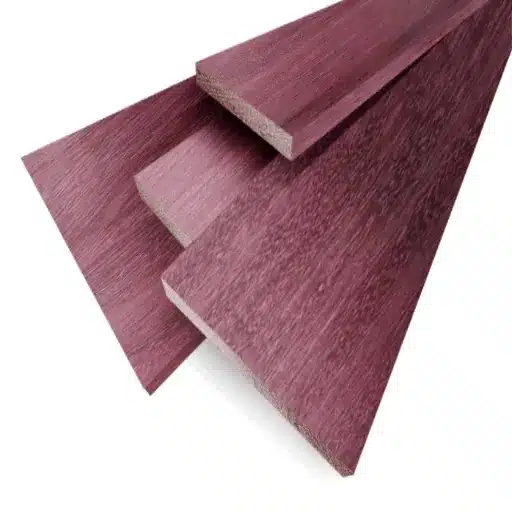
For most people, purpleheart is safe to work with when you take reasonable precautions. But a few groups face genuinely higher risk, and for them the honest answer to “is purple heart wood toxic for me” is closer to “not worth it.”
- People with existing wood allergies. If you already react to exotic hardwoods, purpleheart is likely to join the list.
- Anyone sensitive to rosewoods or padauk. The dalbergione chemistry means cross-reactivity is a real risk.
- Atopic individuals. People with eczema, hay fever, or multiple allergies have significantly higher odds of developing wood-dust reactions. Studies of British woodworkers found atopic workers were roughly three times more likely to develop work-related respiratory symptoms.
- People with asthma. Any wood dust can trigger asthma symptoms; a sensitizer adds an extra layer of risk.
- Anyone who has already reacted once. Sensitization can build with each exposure. If you had a rash or respiratory symptoms after working purpleheart, don’t assume the next time will be different.
This is practical advice, not medical advice. A true purple heart wood allergy is uncommon, but it does happen. If you’re unsure whether you’re at risk, a quick patch test with a bit of offcut or a conversation with an allergist is worth more than any article, including this one.
The Real Hazard: Wood Dust
Here is the uncomfortable truth about is purple heart wood toxic: the toxicity question is a proxy for the real issue, which is wood dust. And wood dust is hazardous for everyone, not just the sensitive.
The International Agency for Research on Cancer (IARC) classifies wood dust as a Group 1 carcinogen, meaning it is known to cause cancer in humans, specifically cancer of the nasal cavity, paranasal sinuses, and nasopharynx. The US National Toxicology Program lists wood dust as “known to be a human carcinogen.” This applies to all wood species, not just exotics.
On top of that, wood dust is associated with occupational asthma, rhinitis, and a condition called hypersensitivity pneumonitis. Studies from around the world consistently find elevated rates of coughing, wheezing, and reduced lung function among woodworkers, and the risk climbs with years of exposure and lack of protective equipment.
What this means for purpleheart specifically: it adds sensitization risk on top of the baseline dust hazard every woodworker already faces. The direct answer to “is purple heart wood dust toxic” is that the dust is a sensitizer, not a poison, and a simple dust-safety routine keeps it manageable. That is why the serious answers to “is purple heart wood toxic” always end with dust control, not with “yes” or “no.”
How to Work With Purple Heart Wood Safely
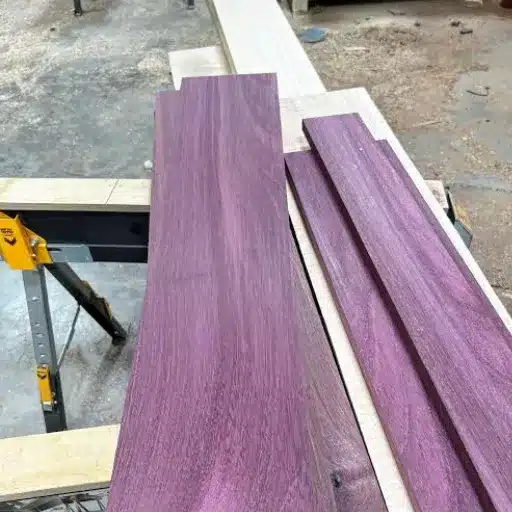
The good news is that the risk is controllable. Woodworkers have handled purpleheart safely for decades with a short list of habits. Here is the exact protocol we recommend, the same one our mill team follows.
- Wear a P100 respirator for sanding and cutting. An N95 mask is acceptable for occasional work, but a P100 gives better protection against fine dust. A flimsy paper dust mask is not enough.
- Use safety glasses or goggles. Purpleheart dust finds its way into eyes easily. Goggles seal better than open glasses.
- Cover your skin. Gloves and long sleeves reduce dust contact. Wash your hands and arms after the session, even if you don’t see dust.
- Collect dust at the source. A shop vacuum with a HEPA filter, a downdraft table, or a dust collector makes the biggest single difference. It removes dust before it reaches your face.
- Ventilate the space. Open a window, run a fan, or work outdoors when you can. Fresh airflow dilutes what your respirator misses.
- Clean up before you go inside. Purpleheart dust stains like purple ink and is easy to track through the house. A dedicated dust collector and a quick cleanup protect your family too.
- Stop if you react. Persistent itching, a spreading rash, or any respiratory symptom is your body telling you to change something. Listen to it.
Splinters and First Aid
Purpleheart is hard, and its splinters can be stubborn and surprisingly painful. Some woodworkers report splinters that are slow to heal or cause a persistent local reaction, which makes sense given the sensitizer chemistry.
- Remove splinters promptly with clean tweezers or a sterile needle.
- Wash the area with soap and water and keep it clean.
- Watch for spreading redness, warmth, swelling, or discharge, which can signal infection.
- See a doctor if a splinter is deeply embedded, will not come out cleanly, or the area stays inflamed.
For eyes: flush with clean water immediately and seek medical attention if irritation persists. For breathing difficulty after dust exposure: move to fresh air, and if symptoms continue, get medical help.
Does Finishing Purpleheart Make It Safe?
Yes, with one important caveat. A sealed, finished piece locks in the dust and the extracts, which is why finished objects are safe to handle. The caveat is that finishing protects the person who uses the finished piece, not the person who makes it. All the risk is concentrated in the sanding and cutting that happen before the finish goes on.
For the finished-piece side of the question, our guide to whether purple heart wood is food safe covers cutting boards, charcuterie boards, and kitchen projects in depth. The short version: a finished purple heart cutting board is safe for food contact, though the wood is so hard it will dull your knives faster than maple. For sealing the surface and preserving that purple color, our guide to how to finish purple heart wood covers UV-inhibitor finishes, oil finishes, and the sun-exposure trick.
The message to remember: the hazard lives in the dust, not in the dinner plate.
Purpleheart vs. Other Woods: Putting the Risk in Perspective
Worried readers often ask “is purple heart wood toxic compared to other woods?” The honest answer is that purpleheart is a moderate sensitizer, nowhere near the worst offenders in the exotic wood lineup. Putting it on a spectrum helps you calibrate your caution.
| Wood | Sensitizer status | Most common reactions | Notes |
|---|---|---|---|
| Purpleheart (Peltogyne) | Yes (dust) | Skin and eye irritation, nausea (rare) | Moderate; widely used by hobbyists |
| Cocobolo | Strong sensitizer | Severe dermatitis | Among the worst offenders in the shop |
| Ipe | Sensitizer | Skin and eye irritation | Extremely common decking wood |
| Western red cedar | Sensitizer | Asthma-like airway symptoms | Clear asthma association |
| Rosewoods (Dalbergia) | Strong sensitizer | Dermatitis, respiratory | CITES-listed; chemically related to purpleheart |
| Oak / Maple | Low (dust only) | General dust irritation | The everyday baseline |
The pattern is that every wood produces dust worth controlling, and a small number of exotics are genuinely nasty. Purpleheart sits in the middle: manageable with the simple protocol above, unlike the strong sensitizers some woodworkers choose to avoid entirely.
Frequently Asked Questions
Is purple heart wood toxic?
No. Purple heart wood is not toxic or poisonous. It is a sensitizer whose dust can irritate skin, eyes, and lungs in some people, especially with repeated exposure during woodworking.
Is purpleheart wood poisonous?
No. There is no record in wood chemistry supporting the idea that purpleheart is poisonous or was used to tip poison darts.
Can purple heart wood cause skin irritation?
Yes. Contact dermatitis, including redness, itching, and sometimes blistering, is the most commonly reported reaction to purpleheart dust.
Is purple heart wood dust dangerous?
It is a sensitizer, so it can cause irritation and, over time, allergic-style reactions. It also carries the same general wood-dust hazard as any species. A P100 respirator and source dust collection control the risk.
Is purple heart wood safe for cutting boards?
Yes, when finished with a food-safe oil. We cover the details in our guide to purple heart cutting boards.
Does purple heart wood cause cancer?
Not on its own. Wood dust in general is an IARC Group 1 carcinogen, which is why dust control matters for every species, including purpleheart.
Is purple heart wood toxic to dogs?
No, the wood is not acutely toxic. Note that the purple heart plant (Tradescantia pallida) is a different thing entirely and can cause mild irritation if a pet chews it. Do not confuse the two.
Can you develop an allergy to purpleheart over time?
Yes. Sensitization builds with exposure, which is why someone can work the wood for years before developing a reaction.
Conclusion
Is purple heart wood toxic? No, and the “poison” stories are myths. But the wood is a documented sensitizer, and its dust can irritate your skin, eyes, and lungs, especially with repeated exposure. The medical literature confirms the risk is real but uncommon, and it is concentrated in the workshop, not in finished pieces.
The practical takeaway is empowering, not scary. Wear a P100 respirator, protect your eyes and skin, collect dust at the source, and stop if you react. If you have existing wood allergies, asthma, or rosewood sensitivity, choose a different species and enjoy purpleheart from a safe distance. Everyone else can work this striking wood with confidence.
When you are ready to build, source it responsibly. Certified, sustainably harvested purpleheart protects both you and the forests it comes from, and our guide to whether purple heart wood is endangered explains how to tell the difference. For expert guidance on choosing the right wood for your project, or for sustainably sourced purpleheart and veneer, contact VitalWood Global. We would be glad to help you build something beautiful and safe, one board at a time.