
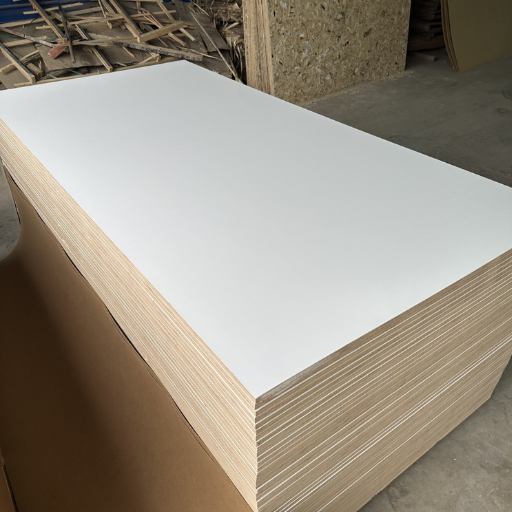
What Is Melamine Plywood
Melamine plywood combines a durable, easy-to-clean melamine surface with the strength and stability of a plywood core. In interior design, furniture and cabinetry depend on materials that are cost-effective, easy to clean, and consistent in various colors and wood grain looks. By combining a type of plywood substrate with a melamine coating made from a combination of melamine and formaldehyde, manufacturers deliver a smooth surface that resists stain and chip better than many natural wood veneers. From kitchens to commercial shelving, melamine boards offer glossy or matte finishes, solid colors, and wood veneer visuals while retaining the structural advantages that plywood offers for long-term durability.
Why Choose Melamine Plywood?
Exceptional Durability
Melamine plywood is engineered to resist scratches, moisture, and general wear, providing a robust surface suitable for high-traffic and demanding environments over extended usage periods.
Consistent Aesthetic Quality
With precise manufacturing controls, melamine surfaces achieve a uniform appearance across each panel, ensuring reliable color and pattern consistency for projects requiring a seamless visual effect.
Ease of Maintenance
The non-porous, thermally fused melamine surface is stain-resistant and easy to clean, minimizing maintenance and reducing the time required for ongoing care in both commercial and residential settings.
Design Versatility
Available in a wide array of finishes—including matte, gloss, wood grain, and solid colors—melamine plywood supports creative flexibility for architects, designers, and manufacturers seeking tailored solutions.
Cost-Effective Performance
Melamine plywood delivers a cost-efficient balance of strength, appearance, and longevity, making it an ideal material for large-scale applications without compromising quality or regulatory compliance.
Environmentally Responsible
Manufactured with low-formaldehyde adhesives and in compliance with international emission standards, melamine plywood aligns with sustainable building practices and contributes to healthier indoor air quality.
Technical Specifications
Detailed product specifications for professional applications
| Specification | Details |
|---|---|
| Standard Thickness | 12MM/15MM/18MM/25MM |
| Standard Sheet Sizes | 1220×2440MM / 1525×2440MM / 1830×2440MM |
| Backing Options | Single side melamine / Double side melamine / Melamine face with veneer back |
| Moisture Content | 8-12% |
| Grain Direction | Wood grain pattern / Solid colors / Textured finish |
| Tolerances | Thickness: ±0.5MM |
| Length/Width: ±3MM | |
| Packaging | Wooden pallets with cardboard corners, plastic film wrapped, 200-400 sheets per pallet |
| Certifications | CARB P2/E1/E0/FSC/ISO 9001 |
Custom Options
Melamine Plywood Applications
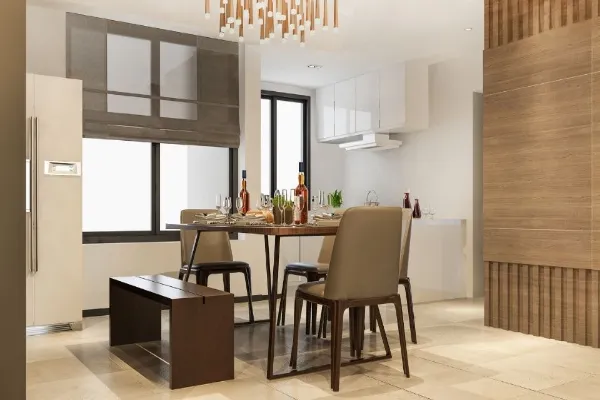
Interior Furniture Manufacturing
Melamine Plywood is widely utilized in interior furniture production, delivering dimensional stability and durable decorative finishes to cabinets, wardrobes, desks, and shelving solutions.
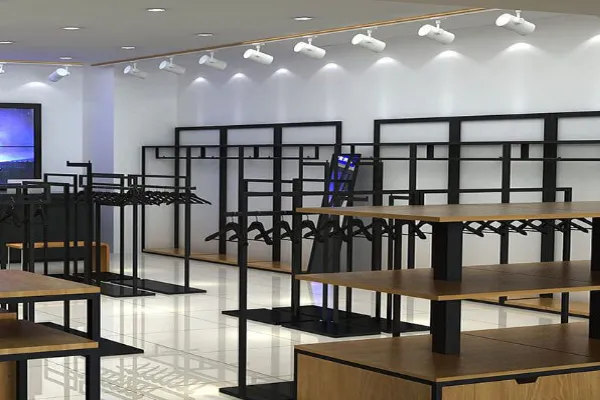
Commercial Space Fittings
In commercial environments, Melamine Plywood provides practical solutions for fixtures such as partitions, counters, and display units, guaranteeing aesthetics and compliance with industry standards.
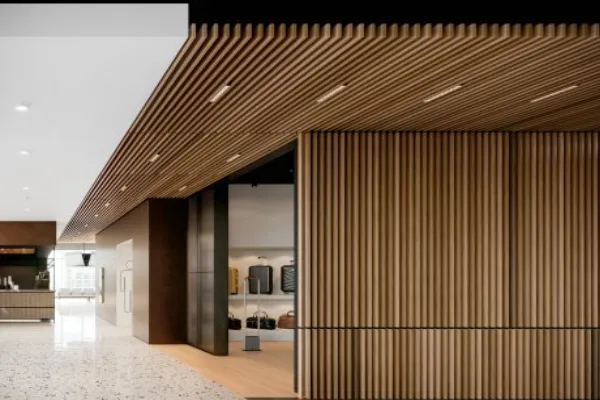
Wall and Ceiling Paneling
Melamine Plywood serves as an efficient cladding material for walls and ceilings, offering a combination of fire performance, uniform texture, and seamless integration.
Melamine Plywood vs. Alternatives
See how Melamine Plywood compares to other materials
| Comparison Item | Melamine Plywood | Laminate Plywood | Veneer Plywood | Painted Plywood | MDF with Melamine | Particleboard with Melamine |
|---|---|---|---|---|---|---|
| Surface Material | Melamine resin paper | HPL (High Pressure Laminate) | Natural wood veneer | Paint coating | Melamine paper on MDF | Melamine paper on particleboard |
| Core Material | Plywood (multi-layer) | Plywood | Plywood | Plywood | MDF (wood fibers) | Particleboard (wood chips) |
| Typical Thickness | 12-25mm | 12-25mm | 12-25mm | 12-25mm | 12-25mm | 12-25mm |
| Surface Finish | Smooth, consistent | Very smooth, glossy | Natural wood texture | Variable (depends on paint) | Very smooth | Smooth |
| Color/Pattern Options | Wide variety (100+ options) | Extensive (1000+ patterns) | Limited (wood species) | Unlimited (any color) | Wide variety | Limited selection |
| Scratch Resistance | Good | Excellent | Poor to Fair | Fair to Good | Good | Fair |
| Water Resistance | Good (surface only) | Excellent | Poor (requires sealing) | Good (depends on paint) | Fair (edges vulnerable) | Poor (swells easily) |
| Heat Resistance | Good (up to 180°C) | Excellent (up to 275°C) | Poor | Fair | Good | Fair |
| Stain Resistance | Excellent | Excellent | Poor | Good | Excellent | Good |
| Weight | Medium (600-700 kg/m³) | Medium-Heavy (650-750 kg/m³) | Medium (550-650 kg/m³) | Medium (560-670 kg/m³) | Heavy (700-800 kg/m³) | Medium (600-700 kg/m³) |
| Edge Treatment | Edge banding required | Edge banding required | Can be exposed or banded | Painted edges | Edge banding required | Edge banding critical |
| Structural Strength | Excellent | Excellent | Excellent | Excellent | Good | Fair |
| Screw Holding | Excellent | Excellent | Excellent | Excellent | Good | Fair to Poor |
| Cost per m² | Medium ($20-45) | High ($40-80) | Medium-High ($30-70) | Medium ($25-50) | Low-Medium ($15-35) | Low ($12-25) |
| Workability | Good (standard tools) | Moderate (harder to cut) | Excellent | Good | Good (creates dust) | Fair (chips easily) |
| Maintenance | Low (wipe clean) | Very Low | High (periodic refinishing) | Medium (touch-ups needed) | Low | Low |
| Lifespan | 15-25 years | 20-30 years | 20-40+ years | 10-20 years | 10-20 years | 8-15 years |
When to Choose Melamine Plywood:
From Forest to Your Workshop
The manufacturing process of Melamine Plywood follows a strict and systematic workflow to ensure product consistency, quality, and performance at every stage.
Raw Material Procurement
High-quality wood veneers and melamine resin are sourced from certified suppliers to ensure reliability, sustainability, and compliance with relevant industry standards.
Veneer Preparation
Wood veneers are carefully dried, cut, and inspected for defects or inconsistencies. This step guarantees uniform thickness and optimal conditions for subsequent lamination.
Melamine Impregnation
Specialized melamine resin is impregnated onto decorative paper under controlled conditions, ensuring even distribution and penetration for maximum surface durability and uniformity.
Lamination and Pressing
The impregnated decorative paper is bonded to the wood veneers under precise temperature and pressure in hydraulic presses, forming a resilient and aesthetically consistent surface.
Trimming and Finishing
Pressed panels are trimmed to exact dimensions, and all edges are finished to eliminate roughness. Additional surface treatments may be conducted to enhance resistance and appearance.
Quality Control Inspection
Each batch undergoes rigorous quality assessments, including mechanical testing and visual inspections, to verify structural integrity, appearance, and adherence to technical specifications.
Packaging and Transportation
Completed panels are securely packaged to protect against damage during shipment. Logistics are arranged to ensure safe, timely delivery to the customer’s location, maintaining product quality throughout.
What Our Clients Say
“Melamine plywood consistently meets our project requirements for durability and quality. The material’s uniform surface and ease of integration have streamlined our workflow and enhanced the overall results in large-scale commercial projects.”

John Smith
Senior Project Manager
“I have specified melamine plywood in numerous interior projects due to its design versatility and reliable performance. It offers a consistent aesthetic, is easy to maintain, and demonstrates excellent value for clients seeking both function and style.”

Emily Turner
Interior Designer
Frequently Asked Questions (FAQs)
Melamine plywood is a widely utilized solution for a range of interior and commercial applications. The following questions address the most common technical, performance, and application concerns.
What is melamine plywood?
Melamine plywood is a composite wood panel featuring a durable, resin-impregnated decorative paper surface bonded to both sides of a stable plywood core.
In which applications is melamine plywood most suitable?
It is recommended for cabinetry, shelving, office furniture, retail fixtures, and wall paneling where both durability and consistent appearance are required.
How does melamine plywood compare to traditional plywood or MDF?
Melamine plywood offers higher surface hardness, superior scratch resistance, and a broader range of decorative finishes compared to untreated plywood and MDF.
Can melamine plywood be customized in terms of color and texture?
Yes, manufacturers provide an extensive selection of colors, textures, and gloss levels to meet specific project design requirements.
What maintenance is required for melamine plywood surfaces?
Surfaces can be easily cleaned with a soft cloth and mild detergent, and do not require additional treatments such as sealing or waxing.
Is melamine plywood environmentally friendly?
Many suppliers source wood from sustainable forests and utilize low-emission resins, supporting environmental responsibility and compliance with key certification standards.