

Wood Stain Colors: A Complete Guide to Choosing the Right Shade
Wood stain colors range from pale natural and whitewashed tones to deep walnuts, charcoals, and bold statement shades. The right choice depends on your wood species, the project you are finishing, the room’s light, and whether you want to enhance or neutralize the wood’s natural undertones.
What makes color selection tricky is that stain rarely looks the same on the can label as it does on your actual wood. A walnut sample that looks warm brown on oak can turn almost orange on pine. That is why professional woodworkers test first, think in undertones, and never rely on a store display alone. In this guide, you will learn how to read wood stain colors, compare the most popular 2025 shades, match color to species and project type, and choose a stain that looks great in real-world lighting.
For the full staining process from start to finish, see our complete guide to how to stain wood.
Key Takeaways
- Natural, blonde, and whitewashed tones are the most popular interior stain choices in 2025.
- Gray and weathered stains remain strong across furniture, floors, and outdoor projects.
- Warm undertones (honey, oak, cherry) look different under daylight versus artificial light than cool undertones (gray, ash, charcoal).
- Pine, maple, and cherry absorb stain unevenly and usually need conditioner or a gel stain for even color.
- Low-VOC and water-based stains now come in nearly every popular color family.
How to Read Wood Stain Colors

Before you pick a color, it helps to read the stain the same way painters read paint: by undertone, not just by name.
Warm Tones
Warm stains add yellow, orange, or red to the wood. They feel cozy, traditional, and tend to make a space look smaller and more intimate. Common warm stain colors include golden oak, honey, provincial, special walnut, cherry, mahogany, and many red-oak stains. Warm tones look especially good in rooms with cream, beige, terracotta, or brass accents.
Cool Tones
Cool stains lean gray, blue, or green. They feel modern, coastal, and Scandinavian. Popular cool options include weathered gray, driftwood, ash, charcoal, and slate. Cool stains pair well with white trim, black hardware, and rooms with lots of natural light.
Neutral Tones
Neutral stains sit between warm and cool. Natural, walnut, espresso, and true black can read differently depending on the wood underneath and the room’s lighting. A “walnut” stain from one brand may be warmer than a “walnut” from another, so testing is essential.
How Lighting Changes Color
A stain can shift dramatically between daylight and artificial light. North-facing rooms bring out cool tones; south-facing rooms amplify warm tones. LED bulbs with a high Kelvin rating (5000K+) make stains look cooler, while 2700K bulbs make them look warmer. Always test a sample in the actual room and view it at different times of day before committing.
Popular Wood Stain Colors in 2025
The most-searched stain colors this year fall into eight main families. Below is a quick comparison, followed by deeper guidance on each.
| Color Family | Best For | Undertone | Style Vibe |
|---|---|---|---|
| Natural/blonde oak | Floors, cabinets, furniture | Neutral to warm | Minimalist, Scandinavian |
| Whitewash/pickled white | Pine, oak, walls | Cool | Coastal, farmhouse |
| Warm walnut/honey | Furniture, trim, floors | Warm | Traditional, cozy |
| Provincial/special walnut | Cabinets, floors, doors | Warm-neutral | Transitional |
| Dark walnut/jacobean/espresso | Furniture, floors, accent pieces | Warm-neutral | Classic, dramatic |
| Weathered gray / driftwood | Decks, furniture, floors | Cool | Modern rustic |
| True black / ebony | Doors, furniture, statement pieces | Neutral | Contemporary, bold |
| Bold colors (navy, violet, coastal blue) | Accent furniture, crafts | Varies | Eclectic, custom |
Natural and Blonde Oak
Natural stains let the wood grain do the talking. They are the top choice for homeowners who want a light, airy look without hiding the species character. Blonde oak stains work especially well on white oak, ash, and rift-sawn oak. The Spruce tracks the latest wood stain colors of the year, which often start with these lighter families.
Whitewash and Pickled White
Whitewash gives wood a faded, beachy appearance while still showing grain texture. It is popular on pine paneling, oak floors, and farmhouse-style furniture. Pickled finishes often use a white stain or diluted paint wiped back to let the grain show through.
Warm Walnut, Honey, and Caramel
These mid-tone browns are safe, versatile choices for furniture and trim. Honey oak has seen a comeback in cabinet refinishing, while warm walnut remains a go-to for tables and built-ins.
Provincial and Special Walnut
Provincial is a brown-gray mid-tone that reads differently on different woods. Special walnut is slightly warmer and richer. Both are forgiving on oak and popular for floors because they hide dust and pet hair better than very dark or very light colors.
Dark Walnut, Jacobean, and Espresso
Dark stains make furniture feel formal and grounded. They also hide imperfections better than light stains. The trade-off is that every scratch, dust particle, and water spot becomes visible. Jacobean is one of the darkest brown-black options available and works best on large, well-lit pieces.
Weathered Gray and Driftwood
Gray stains have trended for over five years and show no sign of fading. They work well on exterior decking, reclaimed-style furniture, and floors in modern homes. Driftwood gray often has a hint of beige or tan, making it softer than pure gray.
True Black and Ebony
Black stain is not just for goth or industrial spaces. When applied evenly, ebony creates a rich, furniture-store finish on oak, ash, and maple. It is a statement choice for doors, kitchen islands, and modern tables.
Bold Stain Colors
Navy, violet, teal, and coastal blue stains are growing in popularity for accent pieces, kids’ furniture, and craft projects. Most come from water-based or dye stains made for interior use and require careful sealing.
Wood Stain Colors by Project Type

The same color behaves differently depending on whether it goes on a floor, a deck, a cabinet, or a table.
Interior Furniture and Cabinets
For furniture, you can use almost any stain type because indoor conditions are stable. Lighter stains show wear over time; darker stains hide it. For detailed furniture staining guidance, see our guide to how to stain wood furniture.
Hardwood Floors
Floor stain colors need to hold up underfoot and work with wall colors. Mid-tone browns like provincial and special walnut are perennial favorites because they hide dirt. Light natural stains are popular in open-concept homes but require more frequent cleaning.
Decks and Outdoor Structures
Outdoor stain colors face sun, rain, and temperature swings. Gray, brown, and redwood tones dominate deck staining. Solid-color stains offer the most UV protection but hide grain; semi-transparent stains show grain but fade faster. For project-specific steps, see our guide on how to stain a deck.
Doors and Trim
Trim stains usually need to match existing millwork or flooring. On doors, true black, walnut, and espresso are popular for contrast against light walls. Always test trim stain next to wall paint samples before finalizing.
How to Match Stain Color to Wood Species
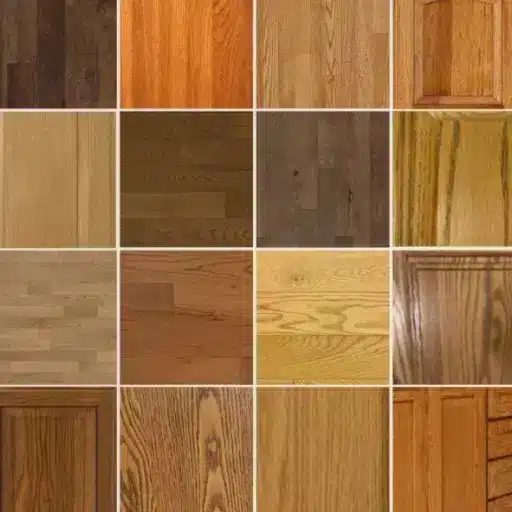
Not every color looks the same on every wood. Matching stain color to species prevents disappointment and expensive rework.
| Wood Species | Stain Behavior | Recommended Colors |
|---|---|---|
| Oak | Accepts stain evenly; grain pops | Almost any color |
| Pine | Blotchy; yellow undertones | Light colors, gel stain, whitewash |
| Maple | Dense and uneven absorption | Light stains, dyes, and a clear finish |
| Cherry | Darkens naturally over time | Lighter than goal, or clear oil |
| Walnut | Naturally rich; often needs no stain | Clear oil, natural, light walnut |
| Ash | Pronounced grain; takes stain well | Natural, gray, black |
Oak
Oak is the most forgiving staining wood. It’s open grain accepts color evenly and gives depth. It is a great species for beginners who want to test dark or bold colors.
Pine
Pine has yellow undertones and absorbs stain unevenly. Light stains and gel stains usually give the most predictable results. If pine is your project wood, follow the species-specific prep steps in our complete guide to staining wood.
Maple
Maple is dense and close-grained. Stain tends to soak into some spots and sit on others, creating a mottled look. Use a wood conditioner, apply thin coats, and test on scrap first.
Cherry
Cherry darkens and reddens with age and sun exposure. Choose a stain lighter than your final target, or skip the stain entirely and use oil for a natural look that improves over time.
Walnut
Walnut is already beautiful. In most cases, a clear oil or clear polyurethane shows off the grain better than a dark stain. If you do stain walnut, stick to light walnut or natural tones.
How to Choose the Right Stain Color
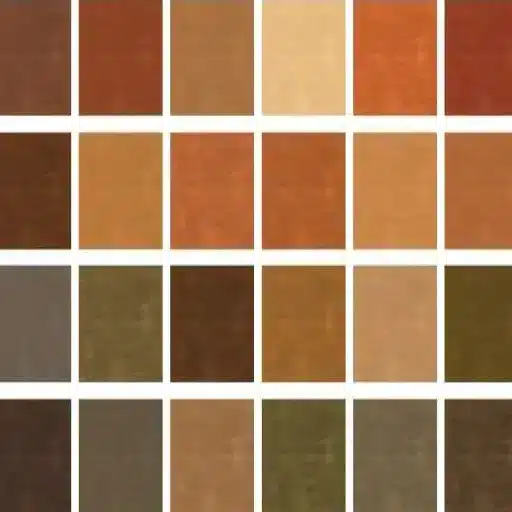
Color choice is part science, part taste. Use this decision framework to narrow your options.
Step 1: Define the Look You Want
Collect inspiration photos and notice whether they lean warm, cool, or neutral. Then identify the dominant colors in the room: wall paint, flooring, countertops, and textiles.
Step 2: Consider the Room’s Palette
A warm stain can clash with cool gray walls. A cool gray stain can look flat against warm beige tile. If your room has both warm and cool elements, a neutral walnut or natural stain is usually the safest bridge.
Step 3: Decide Whether to Enhance or Neutralize
Enhancing means choosing a stain that pulls out the wood’s natural color. Neutralizing means choosing a stain that masks it. For example, a golden oak stain enhances red oak’s warm undertones. A gray stain neutralizes yellow pine.
Step 4: Test Samples on the Actual Wood
Never choose a stain from the can label. Buy sample sizes or make your own testers and apply them to scrap pieces of the same species. Let them dry fully and view them in the final location.
Step 5: View in Multiple Lighting Conditions
Carry your samples around the room or house. Look at them in morning light, afternoon sun, and at night under your usual bulbs. The color you love at noon may feel wrong after dark.
Stain Opacity and How It Affects Color
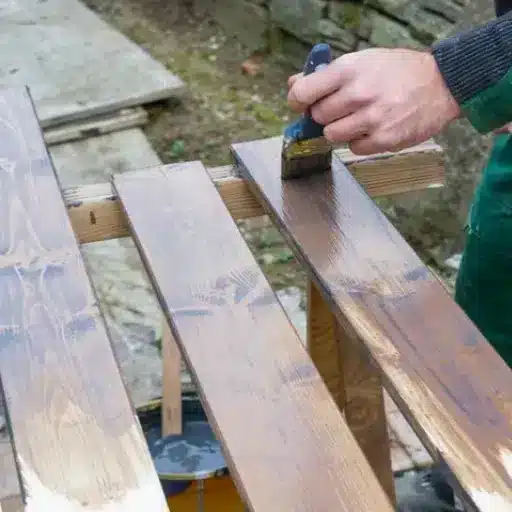
The word “color” is only half the story. Opacity controls how much wood grain shows through.
Transparent and Clear Finishes
Clear finishes like polyurethane, oil, or lacquer add no color. They protect the wood while letting its natural tone shine. Over time, oil-based clears can add a warm amber tint.
Semi-Transparent Stains
Semi-transparent stains add color while letting most of the grain show. They are the most common choice for furniture and interior trim because they balance color and character.
Semi-Solid Stains
Semi-solid stains hide more grain than semi-transparent stains but still show some texture. They are sometimes used on exterior siding and fences where more UV protection is needed.
Solid Color Stains
Solid stains act like thin paint. They hide grain completely and come in the widest color range, including bold colors. They are common for decks, outdoor furniture, and crafts.
For a deeper look at oil, water, and gel bases, read our guide to the types of wood stain.
Sustainable Stain Color Choices
At VitalWood Global, we believe a beautiful finish starts with responsible materials. The stain color and the product type both affect indoor air quality and long-term maintenance.
Low-VOC Options in Popular Colors
Water-based and plant-oil stains are now available in the most popular colors, from natural to ebony. They emit fewer volatile organic compounds than traditional oil-based products, which means better indoor air quality during application. The EPA explains how volatile organic compounds affect indoor air quality.
Water-Based vs. Oil-Based Color Differences
Oil-based stains often appear richer and warmer than water-based versions of the same color name. Water-based stains may dry slightly lighter and cooler. If you are matching an existing oil-finished piece with a water-based stain, expect a subtle difference. Benjamin Moore offers practical guidance on how to choose a wood stain color for interior and exterior projects.
Long-Lasting Colors Reduce Reapplication
Darker exterior stains and solid-color stains typically hide UV damage longer than light semi-transparent stains. Choosing a durable color and a quality topcoat means fewer reapplications, less product used over time, and less waste.
Common Wood Stain Color Mistakes
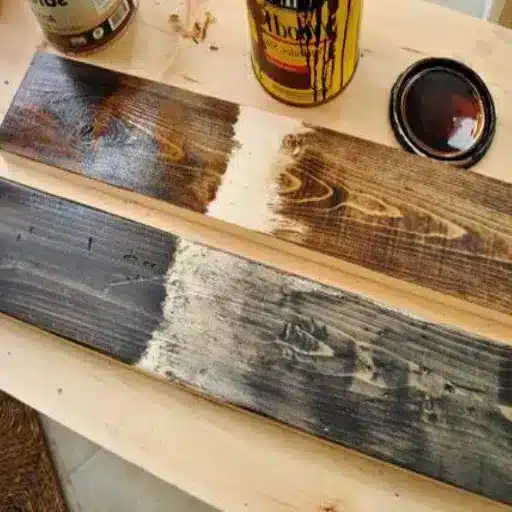
Even experienced woodworkers misjudge color. Here are the most common mistakes and how to avoid them.
Choosing Based on the Wet Color
Stain always looks darker when wet. Wait for the sample to dry and cure before making a final decision.
Ignoring Undertones
A stain named “gray” can have blue, green, or brown undertones. Hold the sample next to your wall paint and flooring to see what undertone actually shows up.
Not Testing on the Actual Wood
Pine, maple, and cherry can shift a stain color in unexpected ways. A sample board from the lumberyard is not the same as your actual project wood.
Forgetting How Lighting Changes Color
A stain chosen under a store’s fluorescent lights can look completely different in your living room. Always test in the final environment.
Using Interior Stain Outside
Interior stains lack the UV blockers and mildew resistance that exterior stains provide. Using them outdoors leads to fading and failure within a season or two.
A Quick Story
Last spring, a homeowner named Lisa decided to stain her oak kitchen island dark walnut. The sample chip looked perfect under the store lights, so she bought two cans and finished the piece over the weekend. By Monday morning, the island looked almost black next to her cream cabinets and looked muddy in the kitchen’s limited natural light. After sanding back the surface, she tested three lighter walnut samples in the actual room and chose a warm-neutral provincial instead. The second finish looked custom and balanced. Her lesson: the room’s light is part of the color.
Frequently Asked Questions
What is the most popular wood stain color?
Natural, blonde oak, and warm walnut are consistently the most popular interior stain colors. For exterior projects, gray and brown tones lead.
What stain color hides imperfections best?
Dark stains like walnut, espresso, jacobean, and ebony hide scratches, dents, and grain inconsistencies better than light or natural stains.
Can I lighten a dark stain?
Lightening a dark stain usually requires sanding back to bare wood or using a wood stripper. Applying a lighter stain over a dark one will not significantly change the color.
Do water-based and oil-based stains look different?
Yes. Oil-based stains often look richer and warmer. Water-based stains can dry slightly lighter and cooler, with lower odor and faster cleanup.
What is the best stain color for pine?
Light colors, whitewash, and gel stains work best on pine because they minimize blotchiness. Always use a pre-stain wood conditioner first.
How do I match the stain to existing furniture?
Start by identifying the undertone of the existing piece, then test samples on the same wood species. View the samples side by side in the same lighting.
Are gray wood stains still in style?
Yes. Gray and weathered stains have been trending for over five years and remain popular for decks, floors, and furniture in modern and coastal designs.
Conclusion
Choosing the right wood stain color comes down to four things: the wood species, the project type, the undertone you want, and the lighting where the piece will live. Start with inspiration, test samples on real wood, and view those samples in the actual room before you commit.
Natural and warm tones remain safe, popular choices, while gray, weathered, and even bold colors give you room to express a more modern style. Pair your color with the right stain opacity and a durable, low-VOC topcoat, and the finish will look great for years.
If you need help selecting the right wood species or finish for your next project, contact our team. We are here to help you build something beautiful and lasting.