
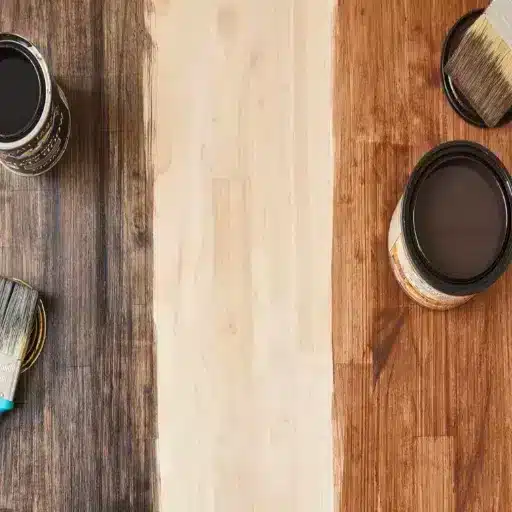
Types of Wood Stain: A Complete Guide to Choosing the Right Finish
The main types of wood stain are oil-based, water-based, gel, and specialty stains. Oil-based stains penetrate deeply and give rich color. Water-based stains dry quickly and have lower VOCs. Gel stains sit on top of the wood and hide blotches. Specialty stains include dyes, hybrid formulas, and natural oil finishes. Choosing the right one depends on your wood species, project type, workspace, and how much time you have. If you want the full staining workflow, our guide to how to stain wood walks through every step from prep to seal.
Key Takeaways
- Oil-based stains offer rich color and easy blending but need longer drying time and solvent cleanup.
- Water-based stains dry in 2–4 hours, clean up with soap and water, and are the best low-VOC option.
- Gel stains hide blotchy grain and are ideal for pine, birch, veneered wood, and vertical surfaces.
- Exterior stains need UV and moisture resistance; interior stains prioritize appearance and low odor.
- Starting with responsibly sourced, quality wood makes any stain perform more predictably.
What Is Wood Stain?
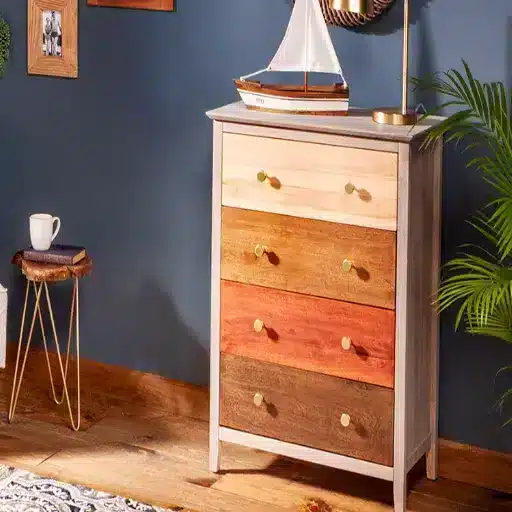
Wood stain is a colored finish that changes or enhances the color of wood while allowing some or all of the grain to show through. Unlike paint, which forms a film on the surface, most stains penetrate the wood fibers. That penetration is what gives stained wood its depth and warmth.
Stains are made up of colorants, either pigments or dyes, suspended in a carrier liquid. The carrier determines the stain type. Oil, water, and gel are the most common, but there are also lacquer, varnish, dye, and hybrid versions. Family Handyman provides a helpful overview of common wood stain and finish types.
Stains also come in different transparency levels:
- Transparent shows the most grain and natural color.
- Semi-transparent adds noticeable color while keeping grain visible.
- Semi-solid covers most grain but still shows some texture.
- Solid hides grain almost completely, acting more like a thin paint.
A stain is not a protective topcoat by itself. Most projects still need a clear sealer such as polyurethane, shellac, or varnish to protect the finish from wear and moisture. Learn how to choose and apply one in our guide to how to seal stained wood.
Oil-Based Wood Stain
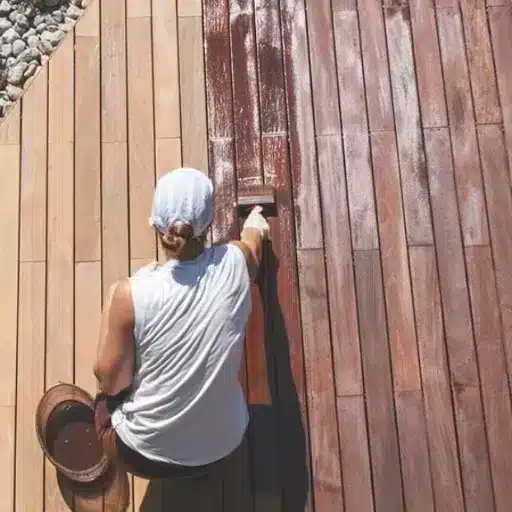
Oil-based stain is the traditional choice for furniture, cabinets, and interior trim. It uses oil, often linseed or a petroleum derivative, as its carrier. This lets the colorants soak deep into the wood fibers, producing rich, dimensional color. Minwax offers practical guidance on traditional wood stain finishes.
Pros
- Deep penetration creates rich, lasting color.
- Long open time makes blending and touch-ups easier.
- Fewer lap marks because it dries slowly.
- Durable finish that holds up well on furniture.
Cons
- Dries slowly: 8–24 hours before recoating, 48–72 hours to fully cure.
- Strong odor and higher VOCs.
- Cleanup requires mineral spirits or paint thinner.
- Flammable rags and solvents need safe disposal.
Oil-based stain is a strong choice when you want a classic, warm look and have time to let the project dry. It is forgiving for beginners because the slow drying time lets you wipe off excess and blend edges before the color sets.
For timing details, see our guide on how long does wood stain take to dry.
Water-Based Wood Stain

Water-based stain uses water as its carrier. Modern formulas have improved significantly, and many now rival oil-based stains in color depth while offering faster drying and easier cleanup.
Pros
- Dries to the touch in 2–4 hours.
- Low odor and lower VOCs, making it safer for indoor use.
- Cleans up with soap and water.
- Good mold and mildew resistance for exterior projects.
Cons
- Dries quickly, which can leave brush marks if overworked.
- May raise the grain of the wood, requiring a light sanding after a test coat.
- Can need more coats to reach a deep color.
Water-based stain is ideal when you need a fast turnaround, are working in a small indoor space, or want a more eco-conscious option. Many professional shops now use water-based stains for custom furniture because the fumes are easier to manage. General Finishes compares the strengths of water-based and oil-based stain formulas.
Sarah’s cabinet story: Sarah refinished her kitchen cabinets over a long weekend. She chose a water-based stain because her kitchen has limited ventilation and she has young children at home. The stain dried in three hours, so she could apply a sealer the same day. The color was lighter than an oil-based stain would have been, but two thin coats gave her the warm gray she wanted without filling the house with solvent smell.
Gel Stain
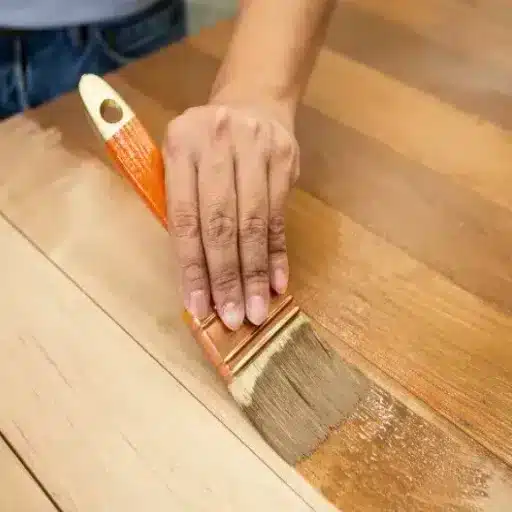
Gel stain is thick and sits on top of the wood rather than soaking deep. That behavior makes it one of the best options for woods that blotch easily, such as pine, birch, and maple. It is also useful for veneered surfaces and vertical areas where drips are a problem.
Pros
- Hides blotchy or uneven grain.
- Provides uniform, buildable color.
- Does not drip easily on vertical surfaces.
- Requires less sanding prep on some woods.
Cons
- Can look more like paint than a traditional stain.
- Longer dry and cure times.
- Thick consistency can be messy to apply.
- May not enhance grain the way penetrating stains do.
Gel stain is the go-to choice when you want an even color on a difficult wood or when you want to darken an existing finish without stripping it completely.
For pine-specific advice, see our guide to how to stain pine wood.
Lacquer Stain and Varnish Stain
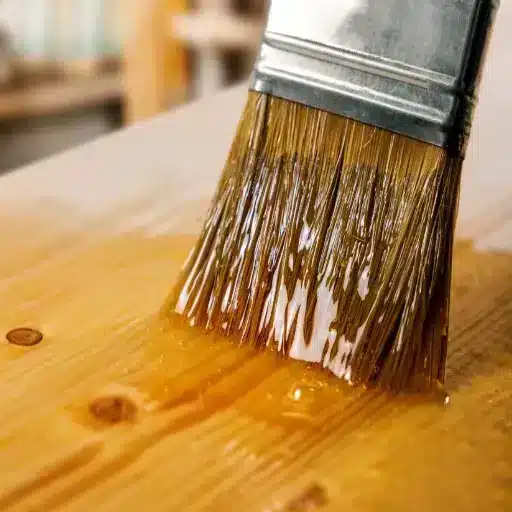
Lacquer stain and varnish stain are less common for home DIYers, but are worth understanding.
Lacquer Stain
Lacquer stain dries extremely fast, usually within minutes. It is often sprayed rather than brushed, which makes it popular in professional furniture finishing. The downside is high VOCs and a strong solvent smell. It is not a good choice for beginners or poorly ventilated spaces.
Varnish Stain
Varnish stain combines color and a protective finish in one product. It is beginner-friendly because it simplifies the process, but it does not offer the same depth or repairability as separate stain and topcoat systems. It works well for small projects and quick touch-ups.
Specialty Stains
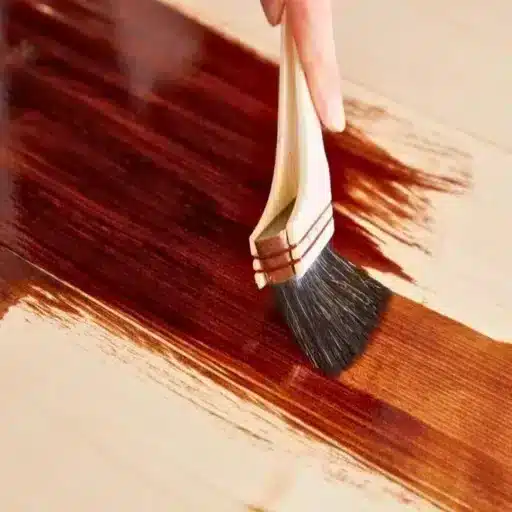
Beyond the four main categories, there are several specialty options for specific looks or techniques.
Dye Stains
Dye stains use dissolved colorants rather than suspended pigments. They penetrate deeply and produce vivid, transparent color that lets the grain pop. Water-soluble and alcohol-based dyes are common. They are popular among fine woodworkers but have poor UV resistance, so they are best for interior pieces.
Metalized Dye Stains
Metalized dye stains, also called metallized or NGR stains, use microscopic metal particles to create color. They dry fast and offer excellent clarity. They are often used on bare hardwoods before sealing.
Hybrid Stains
Hybrid stains aim to combine the best of oil and water. They clean up with water but offer some of the durability and warmth of oil. They are newer to the market, and availability varies by region.
Natural Oil Finishes
Tung oil, linseed oil, and walnut oil are not stains in the traditional sense, but they darken and enrich wood over time. They penetrate the surface and build a protective layer with multiple coats. They require more maintenance than film finishes but are favored for natural, low-sheen looks.
Interior vs. Exterior Wood Stains
Where your project lives changes everything about the stain you should choose.
Interior Stains
Interior stains prioritize appearance, color accuracy, and low odor. Oil-based and water-based stains are both common indoors. Furniture, cabinets, doors, and trim usually get an interior stain followed by a clear topcoat.
Exterior Stains
Exterior stains must withstand sun, rain, temperature swings, mold, and mildew. They contain UV blockers, mildewcides, and water repellents. They are available in transparent, semi-transparent, and solid opacities.
| Opacity | Grain Visibility | UV Protection | Durability | Best For |
|---|---|---|---|---|
| Transparent | High | Low | 1–3 years | New, high-quality wood |
| Semi-transparent | Medium | Medium | 2–5 years | Decks, fences with some weathering |
| Semi-solid | Low | High | 3–6 years | Worn wood needing coverage |
| Solid | None | Highest | 4–8 years | Old decks, siding, maximum protection |
For outdoor structures, the right wood and the right application method both matter. Learn more in our guide on how to stain a deck.
How to Choose the Right Stain for Your Project
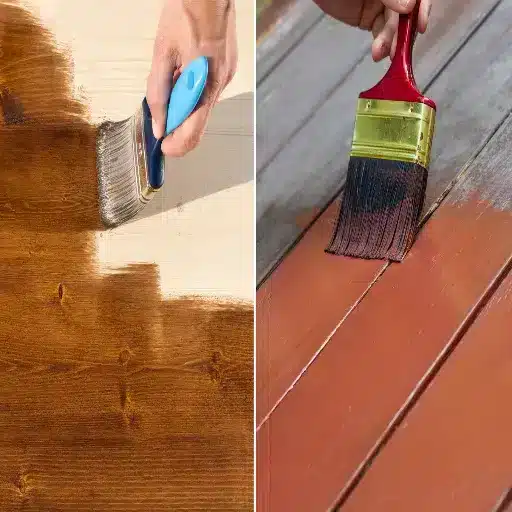
Picking a stain is easier when you answer three questions:
- What wood are you staining?
- Softwoods like pine and birch: gel or water-based with conditioner.
- Hardwoods like oak and walnut: oil or water-based penetrating stain.
- Veneered surfaces: gel stain to avoid sanding through the veneer.
- What is the project?
- Furniture and cabinets: oil-based or water-based penetrating stain.
- Decks and fences: exterior-rated stain with UV protection.
- Quick weekend project: water-based for fast drying.
- Where will you work?
- Well-ventilated shop: oil-based is fine.
- Indoor home with limited airflow: water-based or low-VOC gel.
If you are unsure about color, read our guide to wood stain colors. Once you have chosen a stain, our guide to how to apply wood stain evenly will help you get a smooth, professional finish.
Low-VOC and Sustainable Stain Options
Volatile organic compounds, or VOCs, are chemicals that evaporate as the stain dries. High-VOC products release more fumes and can affect indoor air quality. Oil-based stains generally have higher VOCs than water-based or plant-based options.
Many manufacturers now offer low-VOC and zero-VOC stains that perform well without the harsh solvent smell. Water-based stains are the most widely available low-VOC option. Some companies also make plant-based stains using natural oils and resins. The EPA explains how volatile organic compounds affect indoor air quality.
Proper disposal matters too. Oil-soaked rags can spontaneously combust if piled together. Lay them flat to dry outside, store them in a sealed metal container, or follow local hazardous waste guidelines.
At VitalWood Global, we believe responsible finishing starts with responsible sourcing. Choosing FSC-certified, sustainably sourced wood and pairing it with a low-VOC stain is one of the simplest ways to reduce a project’s environmental impact.
Marcus’s deck story: Marcus wanted to refinish his cedar deck without exposing his family to strong fumes. He used a low-VOC, semi-transparent water-based stain and applied it early on a dry Saturday morning. The deck was dry by afternoon, and his kids could play on it by the next day. The color enhanced the cedar grain without hiding it, and he felt good about choosing a finish with fewer airborne chemicals.
Common Wood Stain Mistakes

Even the right stain can fail if it is misapplied. Here are the most common mistakes and how to avoid them.
Using Interior Stain Outside
Interior stains lack UV protection and mildew resistance. They will fade, crack, and peel quickly outdoors. Always use an exterior-rated stain for outdoor projects.
Skipping Prep
Stain cannot fix rough or dirty wood. Sand, clean, and remove dust before staining. For a complete workflow from prep to seal, see our guide on how to stain wood.
Over-Applying
Thick coats do not mean a darker color. They mean sticky patches, uneven drying, and a finish that never quite hardens. Apply thin coats and build color gradually.
Mixing Incompatible Products
Oil-based stain needs oil-based conditioner and usually an oil-compatible topcoat. Water-based stain needs water-based conditioner and topcoat. Mixing bases can cause poor adhesion, peeling, or cloudiness.
Ignoring Blotching
Softwoods like pine absorb stain unevenly. Use a pre-stain conditioner or choose gel stain. If blotches appear anyway, our guide to how to fix blotchy wood stain can help.
Frequently Asked Questions
What is the best type of wood stain for beginners?
Water-based and gel stains are the most beginner-friendly. Water-based stains are forgiving because they dry fast and clean up easily. Gel stains are forgiving because they hide blotches and do not drip on vertical surfaces.
Can I use oil-based stain over water-based stain?
Generally, no. Oil and water do not bond well. If you want to switch, remove the old finish or seal it with a compatible primer or shellac first. Always test on scrap.
What stain is best for pine?
Gel stain is usually the best for pine because it sits on the surface and minimizes the blotchy look that pine often develops. A water-based or oil-based stain with a pre-stain conditioner also works well.
How do I know if I need a solid or transparent stain?
Choose a transparent stain if you want to show the natural grain, and the wood is in good condition. Choose a solid stain if the wood is weathered, damaged, or you want the longest-lasting protection.
Is gel stain better than regular stain?
Gel stain is better for blotchy woods, veneered surfaces, and vertical applications. Regular penetrating stain is better when you want deep grain enhancement and a traditional stained look.
What is the most eco-friendly wood stain?
Low-VOC or zero-VOC water-based stains are the most widely available eco-friendly option. Plant-based stains made with natural oils and resins are also available from some manufacturers.
Conclusion
Understanding the different types of wood stain helps you choose a finish that matches your wood, your project, and your workspace. Oil-based stains give rich color and time to blend. Water-based stains offer speed and lower emissions. Gel stains solve blotching and vertical drips. Specialty stains open up custom colors and fine-furniture looks.
No matter which stain you choose, the result starts with the wood itself. Responsibly sourced, well-prepared wood takes stain more evenly and lasts longer. Pair it with the right finish, and your project will look as good as it performs.
Ready to find the right wood for your next staining project? Contact the VitalWood Global team for personalized recommendations on species, grades, and finishes that match your vision.