
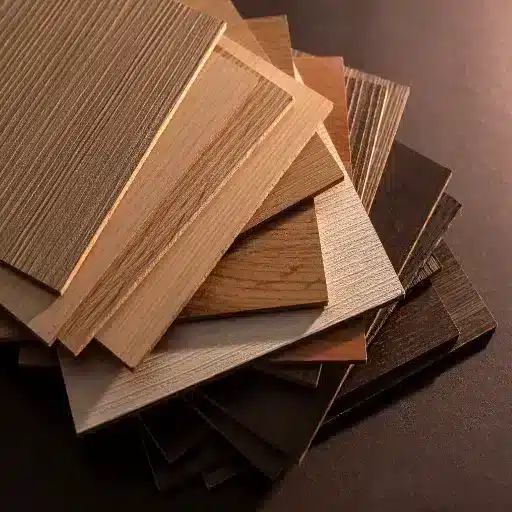
Best Wood for Staining: 11 Species Ranked Easiest to Hardest
The best wood for staining is open-grained hardwoods like oak, ash, hickory, and chestnut. These are the woods that stain well because their grain structure absorbs pigment evenly, shows grain beautifully, and forgives beginner mistakes. Woods like pine, maple, birch, and cherry can still look great, but they demand extra prep such as pre-stain conditioner or gel stain to avoid blotching.
For the complete staining workflow, see our guide on how to stain wood.
When Elena built her first farmhouse table, she chose pine because it was affordable and looked smooth in the lumber bin. After staining, dark patches appeared around every knot. The earlywood bands drank twice as much color as the latewood.
She sanded it back and switched to red oak. The second attempt looked like a showroom piece. The stain hadn’t changed. The wood had.
In this guide, you’ll learn which species are the easiest wood to stain, which ones need special handling, and how to match the right wood to your project. We’ll also cover sustainable sourcing tips so your finished piece looks good and does good.
Key Takeaways
- Oak, ash, hickory, and chestnut are the easiest woods to stain evenly because of their open grain and consistent pores.
- Walnut and cherry look beautiful with stain but often look even better with a clear oil or varnish that lets natural color deepen.
- Pine, maple, birch, and poplar are the hardest woods to stain; use pre-stain conditioner or gel stain for best results.
- The best wood for staining dark is oak, ash, or walnut; the best wood for gray stain is oak, ash, or cedar.
- Sustainably sourced, defect-free lumber stains more predictably and supports responsible forestry.
What Makes a Wood Species Good for Staining?

Not every wood accepts stain the same way. The species determines whether your finish looks rich and uniform or blotchy and uneven. Four main factors control how well a wood takes stain.
Open Grain vs. Closed Grain
Woods with large, open pores give stain somewhere to go. Oak and ash have visible grain channels that absorb pigment evenly.
That is why they consistently rank as the best wood species for staining. Closed-grain woods like maple and birch have tiny, tight pores. Stain sits on the surface or soaks in randomly, creating dark and light patches.
Even Porosity
Some woods have very different densities from earlywood to latewood. Pine is a classic example. The soft earlywood absorbs stain like a sponge. The harder latewood stays lighter.
That contrast creates the “grain reversal” look many beginners mistake for poor technique.
Natural Base Color
The wood’s natural color acts like a base coat. Ash is pale, so it can mimic walnut, oak, or espresso with the right stain. Walnut is already dark, so heavy stains can turn it almost black.
Cherry has pinkish undertones that deepen over time. That makes stain color hard to predict long-term.
Defect-Free Surface
Knots, mineral streaks, and uneven grain create uneven absorption. Sustainably sourced wood from responsibly managed forests tends to have more consistent grain and fewer surprises.
That consistency matters when you’re trying to achieve a professional stain finish across a large surface.
Best Wood for Staining: Ranked Easiest to Hardest
The easiest wood to stain isn’t always the most expensive. It’s the species whose grain structure lets stain settle in predictably. Here’s a practical ranking from forgiving to frustrating.
1. Oak (Red Oak and White Oak)
Oak is the gold standard for staining. Its large open pores accept pigment evenly and the pronounced grain shows through beautifully after staining. Red oak absorbs stain faster and gives warmer, more dramatic results. White oak is slightly denser and produces a subtler, more modern look.
Best for: Furniture, cabinets, flooring, doors
Best stains: Medium brown, espresso, gray, weathered oak
Pro tip: Quarter-sawn white oak adds a striking ray fleck pattern that looks high-end under any stain color.
2. Ash
Ash is pale, straight-grained, and open-pored. It takes stain so evenly that woodworkers often use it as a budget-friendly substitute for walnut or oak. Its light base color means the stain’s true tone comes through without competing undertones.
Best for: Furniture, flooring, cabinetry, modern interiors
Best stains: Walnut tones, gray, charcoal, espresso
Pro tip: Because ash is light, dark stains can look almost painted. Test a scrap piece first to make sure you like the depth.
3. Chestnut
Chestnut has an even, open grain that absorbs stain consistently. It isn’t as common as oak in big-box stores, but it’s a favorite among furniture makers who want a warm, traditional look without fighting blotching.
Best for: Furniture, paneling, rustic projects
Best stains: Medium brown, golden oak, driftwood gray
Pro tip: True American chestnut is rare due to blight. Most “chestnut” sold today is actually stain-grade oak or other species, so verify what you’re buying.
4. Hickory
Hickory has bold, contrasting grain and extreme hardness. It takes stain well, but the color variation between earlywood and latewood can be dramatic. Many people love that contrast; others find it busy. Gel stain can help even things out if you want a more uniform look.
Best for: Flooring, rustic furniture, countertops
Best stains: Dark walnut, espresso, warm browns
Pro tip: Hickory is harder than oak, so sanding takes more effort. Use sharp sandpaper and expect to spend extra time on prep.
5. Walnut
Walnut is naturally rich and dark. It stains well, but many woodworkers skip stain entirely and use a clear oil finish instead. Why? Walnut already has the luxurious depth people try to achieve with stain. Adding a dark stain can make it look muddy or nearly black.
Best for: High-end furniture, accent pieces, musical instruments
Best stains: Natural oil, light walnut, medium brown
Pro tip: If you want to darken walnut slightly, use an oil-based clear finish. It deepens the natural color without hiding the grain.
6. Cherry
Cherry is beautiful, but it stains unevenly. It also darkens naturally over time and with sun exposure. A stain that looks perfect today may look too dark in six months. Many professionals use a gel stain for controlled color or finish cherry with oil to let the wood age gracefully.
Best for: Furniture, cabinets, trim
Best stains: Gel stain in medium brown, clear oil, light cherry
Pro tip: If you stain cherry, choose a color slightly lighter than your target. The wood will catch up on its own.
7. Mahogany
Mahogany has a rich natural color and an even, interlocking grain. It accepts stain well and is often used for boats, furniture, and musical instruments. Its natural oils can resist some water-based stains, so oil-based products usually work better.
Best for: Furniture, boats, musical instruments, doors
Best stains: Red mahogany, honey gold, dark walnut
Pro tip: Genuine mahogany is becoming harder to source sustainably. Look for FSC-certified options or consider plantation-grown alternatives.
8. Cedar
Cedar is a softwood, but its porous structure accepts stain readily. It’s popular for outdoor projects because of its natural rot resistance. The aromatic oils can interfere with some finishes, so proper cleaning and drying are essential before staining.
Best for: Outdoor furniture, fences, siding, decks
Best stains: Semi-transparent exterior stains, gray, redwood tones
Pro tip: Let cedar dry thoroughly before staining. Fresh cedar can repel stains and leave a patchy finish.
9. Pine
Does pine stain well? Not without help. Pine is affordable and widely available, but it’s one of the harder woods to stain evenly. The earlywood is much softer than the latewood, so the stain soaks in at different rates. The result is often splotchy with dark bands and light areas.
Best for: Beginner projects, rustic furniture, trim, shelving
Best stains: Light to medium colors, gel stain, whitewash
Pro tip: Always use a pre-stain wood conditioner on pine. It partially seals the softest pores and gives you a much more even result. For more details, see our guide on how to stain pine wood.
10. Birch
Birch looks similar to maple but stains even more unevenly. It has a tight, inconsistent grain that creates blotches and dark spots. Some plywood sold as “birch” has thin veneers that absorb stain differently than solid birch, adding another variable.
Best for: Painted projects, cabinets with opaque finishes, hidden areas
Best stains: Gel stain, light water-based stains, dye stains
Pro tip: If you must stain birch, use a gel stain. Its thick consistency sits on top of the wood rather than soaking in randomly.
11. Maple
If you’ve ever wondered how to stain maple without blotches, you’re not alone. Maple is the most challenging common wood to stain. It’s extremely dense with tight, uneven grain. Standard penetrating stains tend to look muddy or blotchy. Professionals often use water-popping, dye stains, or careful conditioning to get acceptable results.
Best for: Flooring, butcher blocks, high-traffic furniture
Best stains: Dye stains, water-based stains with conditioner, very light colors
Pro tip: For the best results on maple, skip traditional stain entirely and use a dye or a tinted clear finish. The color sits more uniformly across the dense surface.
Quick Reference: Best Wood for Staining by Project
Choosing the right species also depends on what you’re building. Here’s a simple guide.
| Project Type | Best Wood for Staining | Why It Works | Recommended Stain Type |
|---|---|---|---|
| Furniture | Oak, ash, walnut | Durable, beautiful grain, predictable color | Oil-based, gel |
| Cabinets | Oak, ash, cherry (with care) | Smooth surfaces, accepts stain evenly | Oil-based, gel |
| Flooring | Oak, ash, hickory | Hard-wearing, hides wear, stains uniformly | Oil-based, water-based |
| Outdoor projects | Cedar, white oak | Naturally rot-resistant | Exterior oil-based, semi-transparent |
| Beginner projects | Oak, ash | Forgiving and easy to work with | Any penetrating stain |
| Dark stain finishes | Oak, ash, walnut | Deep, rich color without blotching | Dark oil-based gel |
| Gray stain finishes | Oak, ash, cedar | Cool tones look modern and consistent | Gray oil-based, water-based |
This table gives you a starting point. But always test on a scrap piece from your actual project.
Two boards of the same species can stain differently depending on age, grain pattern, and moisture content.
Stain Types That Work Best by Wood
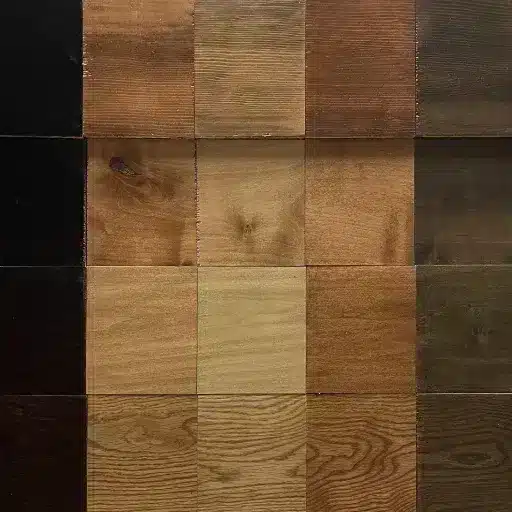
The same species can look very different depending on the strain you choose. Match the stain type to the wood for the cleanest results. For a deeper look at oil-based, water-based, and gel formulas, read our guide to types of wood stain.
Oil-Based Stains
Oil-based stains penetrate deeply and enhance grain. They work beautifully on oak, ash, hickory, and walnut. They take longer to dry, which gives you more working time to wipe off excess and even out the color.
Water-Based Stains
Water-based stains dry quickly and raise the grain less on dense woods. They can work on maple and birch when paired with a conditioner. They also produce less odor and clean up with soap and water.
Gel Stains
Gel stains sit on top of the wood rather than soaking in. That makes them the best choice for blotchy woods like pine, birch, cherry, and maple. They also work well on vertical surfaces because they don’t drip easily.
Dye Stains
Dye stains dissolve into the wood fibers and produce a very uniform color. They are one of the only good options for maple because they don’t rely on open pores. They can fade in direct sunlight, so they’re best for indoor pieces.
Sustainable Sourcing Tips for Stain-Grade Lumber
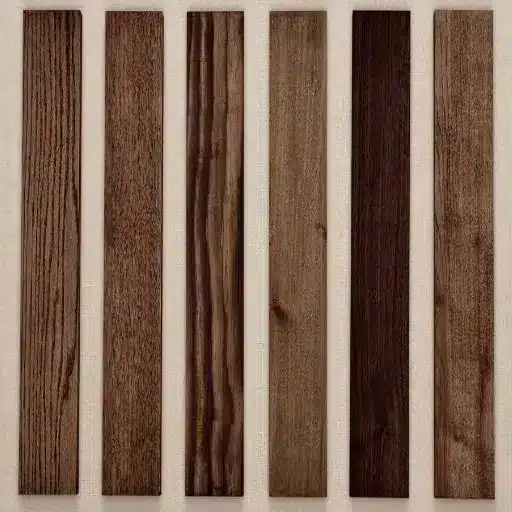
The best wood for staining isn’t just about grain structure. It’s also about where the wood comes from. Responsibly sourced lumber tends to have more consistent quality, fewer defects, and a lower environmental impact.
Look for Forest Certification
FSC-certified wood comes from forests managed for environmental, social, and economic responsibility. FSC-certified North American hardwoods commonly include red oak, white oak, hard maple, cherry, and ash. These are the same species that stain well, so you don’t have to choose between beauty and sustainability.
Ask for Chain-of-Custody Documentation
If a supplier claims their wood is sustainable, ask for proof. Chain-of-custody certification tracks the wood from forest to finished product. Without it, claims like “eco-friendly” or “green” are hard to verify.
Avoid Greenwashing
Terms like “green wood” or “eco-friendly lumber” sound nice but mean little without certification. Prefer specific language like “sustainably sourced wood,” “FSC-certified,” or “responsibly harvested.”
Choose Quality Over the Lowest Price
Cheap lumber often has more knots, warping, and inconsistent grain. Those defects create uneven stain absorption and more waste. Investing in better material saves time, reduces rework, and produces a more durable finished piece.
When Marcus sourced FSC-certified white oak for a set of built-in bookshelves, the boards were straighter and more consistent than the bargain-bin option he almost bought. The stain went on evenly across every shelf.
The client specifically asked about the wood’s origin. That certification became a selling point.
Common Mistakes When Choosing Wood for Staining
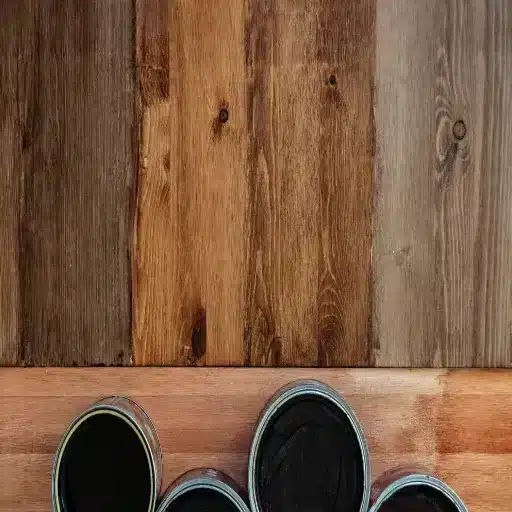
Even experienced builders make these errors. Avoid them, and your project will look better from the first coat.
Buying Paint-Grade Lumber for a Stain Project
Some woods are sold as paint-grade because their grain is too uneven or knotty to look good under a clear or tinted finish. Using them for stain almost always disappoints. Always choose stain-grade lumber when the finish needs to show wood character.
Ignoring the Test Piece
The stain color on the can rarely matches the color on your wood. Always test on a scrap piece that has been sanded and conditioned the same way as your project. This is especially important when working with cherry, pine, or maple.
Skipping Prep
No wood looks good under stain if the surface isn’t clean and sanded. Follow a proper prep sequence before staining. Our guide to how to prepare wood for staining walks through the right sanding grits, cleaning steps, and conditioning tips.
Choosing the Wrong Stain Type
Using a standard penetrating stain on maple is asking for blotches. Using an exterior stain indoors can create fumes and durability problems. Match the stain type to the wood and the project environment.
Frequently Asked Questions
What is the easiest wood to stain?
Oak is the easiest wood to stain. Its open grain and large pores absorb pigment evenly, making it forgiving for beginners and professionals alike. Ash is a close second.
What wood shows grain best when stained?
Oak and ash show grain best because their open pores highlight the wood’s natural texture. Hickory also shows dramatic grain, though with more color contrast between earlywood and latewood.
Does pine stain well?
Pine does not stain well without help. Its uneven grain creates blotchy, splotchy results. Use a pre-stain wood conditioner or a gel stain to improve the finish.
What is the best wood for staining dark?
Oak, ash, and walnut are the best woods for staining dark. They absorb deep pigments evenly without looking muddy. Walnut already has a dark base, so heavy stain isn’t usually necessary.
What is the best wood for gray stain?
Oak, ash, and cedar take gray stain beautifully. The cool tone looks modern, and the open grain structure keeps the color from appearing flat.
Can you stain maple wood evenly?
Yes, but maple is difficult. Use a pre-stain conditioner, water-pop the surface, or switch to a dye stain for more uniform color. Traditional penetrating stains often look blotchy on maple.
Is oak or pine better for staining?
Oak is much better for staining than pine. Oak’s open grain absorbs stain evenly, while pine’s soft earlywood soaks up too much color and creates blotches.
Do I need wood conditioner before staining?
You need wood conditioner before staining pine, maple, birch, cherry, alder, and poplar. It partially seals the most porous areas so stain absorbs at a more even rate.
What wood is hardest to stain?
Maple is generally considered the hardest common wood to stain evenly because of its dense, tight grain. Birch, pine, and poplar are also challenging.
Conclusion
The best wood for staining depends on your project, your skill level, and the look you want. Oak, ash, hickory, and chestnut are the wood species for staining that make the process easy and rewarding. Walnut and cherry can look stunning with the right approach, though many pros prefer to let their natural color shine through. Pine, maple, birch, and poplar require more patience but can still deliver great results with conditioner or gel stain.
Start with good material. Sustainably sourced, defect-free lumber gives you a more predictable finish and supports responsible forestry. Then match the species to the stain type, test on scrap, and follow proper prep and application steps.
For the full staining workflow, read our complete guide on how to stain wood. For prep guidance, see how to prepare wood for staining. And for pine-specific techniques, read how to stain pine wood.