
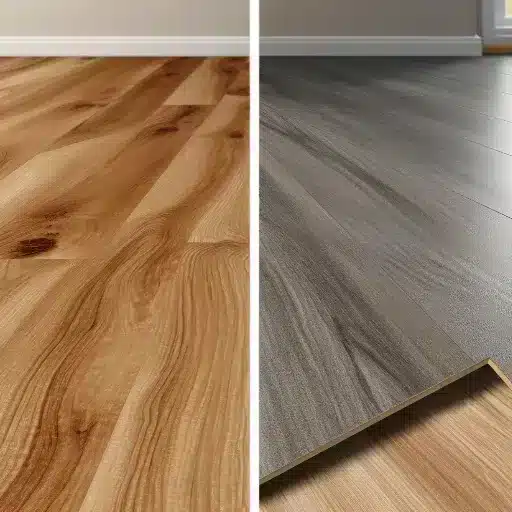
Engineered Wood Flooring vs Laminate: A Complete 2026 Comparison
Engineered wood flooring is real wood with a long lifespan and refinishing potential, while laminate is a printed, wood-look surface that costs less upfront but cannot be refinished. If you want authenticity and decades of use, engineered wood wins. If you want scratch resistance and easy DIY installation on a tight budget, laminate is the smarter pick.
What if the floor that looks identical in the showroom performs completely differently five years later? That is the trap buyers fall into when they choose between engineered wood flooring and laminate based on appearance alone. In this guide, you will learn how these two materials differ in cost, durability, water resistance, installation, resale value, and environmental impact. By the end, you will know exactly which one fits your room, your budget, and your values.
Key Takeaways
- Engineered wood flooring is real hardwood over a stable core; laminate is a photographic image layer over HDF with a protective wear layer.
- Laminate costs roughly 40–60% less installed than engineered wood, but engineered wood can last 25–50+ years and be refinished.
- Laminate resists scratches better than engineered wood, making it popular for homes with pets and children.
- Engineered wood adds resale value and aligns with sustainability certifications like FSC and FloorScore; laminate is rarely recyclable and must be replaced when worn.
- Neither material belongs in wet basements or bathrooms; for those areas, SPC or LVP vinyl is usually the safer choice.
What Is Engineered Wood Flooring?
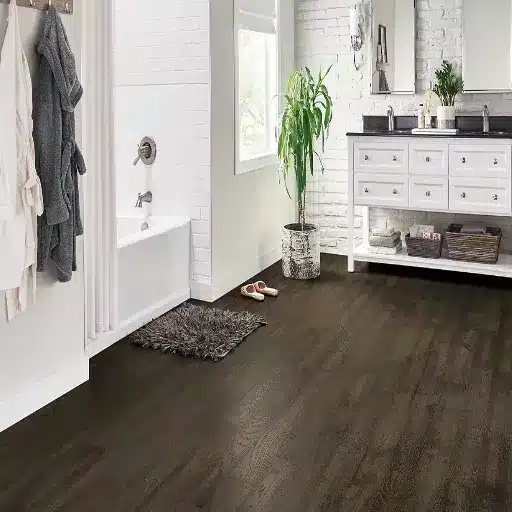
Engineered wood flooring is real wood, just arranged in layers. A top veneer of hardwood — usually oak, maple, hickory, or walnut — sits above a stable core made of plywood, high-density fiberboard, or a solid-engineered base. That layered construction gives it the look and feel of solid hardwood with better resistance to humidity and temperature changes.
The thickness of the top veneer matters. A 3 mm or thicker wear layer can be sanded and refinished one or more times. Thinner veneers look the same on day one, but they limit how much the floor can be refreshed later.
Engineered wood is the choice buyers make when they want authentic material underfoot and are willing to pay more for longevity. For a deeper look at how to select the right product, read our guide on the best engineered wood flooring.
What Is Laminate Flooring?
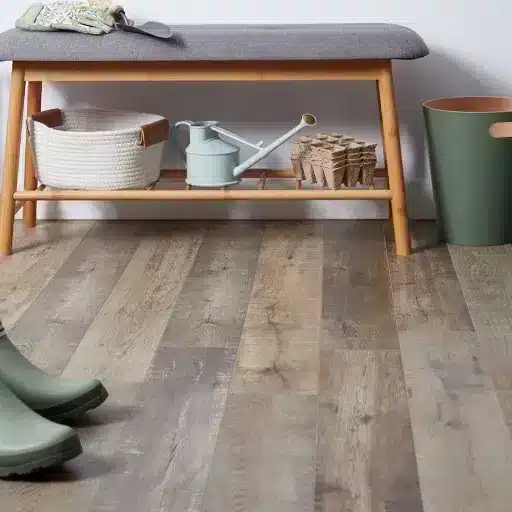
Laminate flooring is a composite product. The surface is a high-resolution photograph of wood sealed beneath a clear aluminum-oxide or resin wear layer. Below that is a high-density fiberboard (HDF) core and a balancing backing layer. It looks like wood, but it is not wood.
Laminate is manufactured in planks with click-lock edges that float over the subfloor. Installation is fast and DIY-friendly. The product is rated by the Abrasion Class system, or AC rating, which runs from AC1 for light residential use to AC5 for heavy commercial traffic.
Because the image layer is only a few millimeters below the wear layer, laminate cannot be sanded or refinished. Once the surface is worn or damaged, the plank must be replaced.
Engineered Wood Flooring vs Laminate: Side-by-Side Comparison
Here is how the two materials stack up across the factors that matter most.
| Factor | Engineered Wood Flooring | Laminate Flooring |
|---|---|---|
| Composition | Real hardwood veneer + stable core | Printed image layer + HDF core |
| Material cost | $4–$12+/sq ft | $1.50–$5.49/sq ft |
| Installed cost | $7–$18/sq ft | $3.50–$9/sq ft |
| Lifespan | 25–50+ years | 10–25 years |
| Refinishable | Yes, if wear layer is thick enough | No |
| Scratch resistance | Moderate | Excellent (AC4–AC5) |
| Water resistance | Moisture-resistant, not waterproof | Water-resistant to waterproof surface options |
| Installation | Nail, glue, or float | Floating click-lock |
| Authenticity | Real wood grain, can be stained | High-definition print, cannot be stained |
| Resale value | Positive | Neutral |
| Sustainability | Renewable, refinishable, certifiable | Shorter lifespan, rarely recyclable |
This table is the decision grid most buyers need. If your priority is cost and scratch resistance, laminate leads. If your priority is longevity, authenticity, and resale value, engineered wood leads.
Cost: Which Floor Is Cheaper?
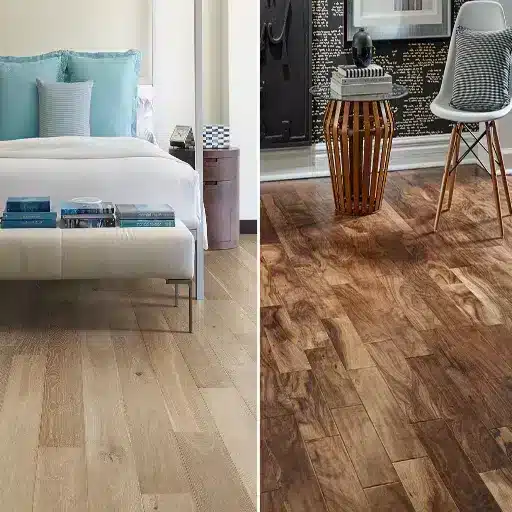
Upfront Material and Installation Costs
Laminate is the clear winner on price. Materials start around $1.50 per square foot for entry-level products and top out near $5.49 per square foot for premium waterproof lines. Installed, most laminate projects fall between $3.50 and $9 per square foot.
Engineered wood costs more at every stage. Materials typically run $4 to $12 or more per square foot, and installed prices range from $7 to $18 per square foot. Wide-plank European oak or specialty finishes can push that number even higher.
For a 500-square-foot room, laminate might cost $2,000–$4,500 installed. The same room in engineered wood could run $3,500–$9,000.
Long-Term Value
Upfront cost is only part of the picture. Engineered wood can be refinished, which means a single floor can last 25 to 50 years or more. Laminate must be replaced once the wear layer or image layer fails, usually after 10 to 25 years.
Over 30 years, a homeowner might install laminate twice while an engineered floor is simply refreshed. That narrows the cost gap over time.
For detailed 2026 pricing, see our full engineered wood flooring cost guide.
When Cheaper Upfront Becomes More Expensive
When Priya renovated her 1,200-square-foot condo in 2018, she chose laminate at $4 per square foot installed. The total came to $4,800. By 2029, scratches from her dog and water damage near the kitchen sink made the floor look tired. Replacing it cost another $5,200. Her total spend over 11 years was $10,000. A neighbor in an identical unit chose engineered wood at $9 per square foot installed — $10,800 upfront — and simply refinished it in 2033 for $3,000. After 15 years, the engineered floor was still in place and the total cost was lower.
Durability and Maintenance
Scratch and Dent Resistance
Laminate is harder to scratch than engineered wood. Its aluminum-oxide wear layer is designed to resist pet claws, dragged chairs, and high heels. AC4 or AC5 laminate is especially tough.
Engineered wood scratches more easily because the top layer is real wood. However, those scratches can often be sanded out during refinishing. Laminate scratches are permanent.
Refinishing vs. Replacement
Engineered wood with a 3 mm or thicker wear layer can be sanded and refinished two to five times, depending on thickness. That is its biggest durability advantage.
Laminate cannot be refinished. Damaged planks must be replaced individually if the product is still available, or the entire floor must be redone if it is not.
Daily Maintenance
Both floors are easy to maintain. Sweep or vacuum regularly, use a damp mop rather than a wet mop, and clean spills quickly. Avoid steam mops on both materials. Place felt pads under furniture and mats at entryways.
Water Resistance and Room Suitability
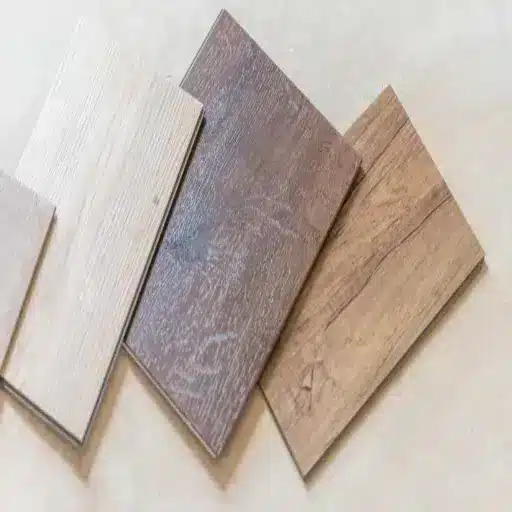
Engineered Wood in Wet Areas
Engineered wood handles humidity better than solid hardwood, but it is not waterproof. Prolonged exposure to water can warp the veneer, damage the core, and create cupping or crowning. It is not recommended for bathrooms, laundry rooms, or basements with moisture issues.
Laminate in Wet Areas
Modern laminate is available in water-resistant and waterproof versions. The surface can handle spills better than engineered wood, but water that seeps into the joints can still swell the HDF core. Waterproof laminate is safer in kitchens and mudrooms, but it is still not ideal for standing water.
Room-by-Room Recommendations
| Room | Best Choice | Why |
|---|---|---|
| Living room | Engineered wood | Longevity, warmth, resale value |
| Bedroom | Either | Low traffic, dry environment |
| Kitchen | Laminate or neither | Spills and moisture risk |
| Basement | Neither | Use SPC or LVP vinyl |
| Bathroom | Neither | Use porcelain tile or SPC/LVP |
| Home office | Engineered wood | Professional look, durability |
| Entryway/mudroom | Laminate | Scratch resistance, moisture tolerance |
Appearance and Authenticity
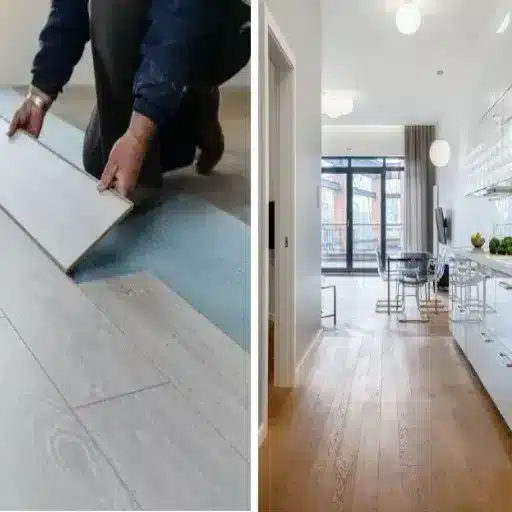
Engineered wood looks and feels like real wood because it is real wood. The grain is natural, the planks vary slightly in tone, and the floor can be stained or oiled to change its character over time.
Laminate has come a long way. High-definition prints and embossed textures can mimic wood convincingly from a distance. Up close, however, the pattern repeats, and the surface feels harder and less warm underfoot. It cannot be stained, and distressed textures are printed rather than real.
For luxury or design-forward spaces, engineered wood is usually the better aesthetic choice. For rental properties or high-traffic family homes, laminate offers a practical wood look without the premium price.
Installation: Which Is Easier?
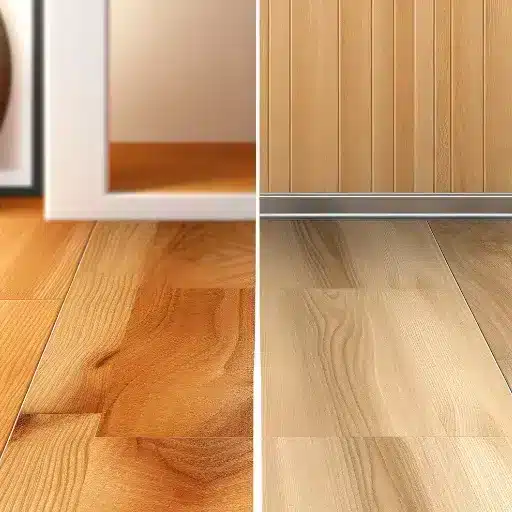
Engineered Wood Installation
Engineered wood offers flexibility. It can be nailed down over plywood, glued down over concrete, or floated over underlayment. Acclimation is often required, and subfloor preparation is more demanding. Most homeowners hire a professional for engineered wood installation.
Laminate Installation
Laminate is designed for floating installation. Planks click together and rest on a foam underlayment without nails or glue. The process is faster, cleaner, and more forgiving of minor subfloor imperfections. Many confident DIYers install laminate themselves over a weekend.
Resale Value and ROI
Real wood surfaces generally add more perceived value than laminate. According to the National Association of Realtors, hardwood-related flooring refinishing returns about 147% of its cost at resale. While engineered wood is not solid hardwood, it is still real wood and carries similar buyer appeal.
Laminate adds neutral value. Buyers appreciate a clean, modern floor, but they do not typically pay a premium for laminate in the way they do for wood.
For homeowners planning to sell within five to ten years, engineered wood is usually the stronger investment. For landlords or short-term renovations, laminate may be sufficient.
Sustainability: Engineered Wood vs Laminate
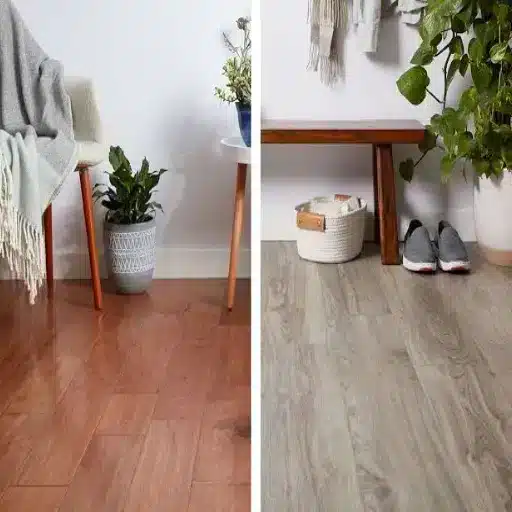
Engineered Wood
Engineered wood uses real wood more efficiently than solid hardwood. A single log produces more square footage of flooring because only the wear layer is solid wood; the core uses faster-growing species or wood byproducts. When sourced from FSC- or PEFC-certified forests and finished with low-VOC coatings, engineered wood is one of the more sustainable flooring choices available.
Because it can be refinished, engineered wood stays in service longer. That longevity reduces the total material consumed and the waste sent to landfill over the life of a building.
Laminate
Laminate uses wood fibers in its HDF core, but the product is bonded with resins and covered in plastic-like wear layers. It cannot be refinished, so it typically needs replacement sooner. At end of life, most laminate is not recyclable and ends up in landfill.
Some manufacturers now offer laminate with recycled content or low-emission cores certified by CARB Phase 2 or EPA TSCA Title VI. These options are better, but they do not close the lifecycle gap with responsibly sourced engineered wood.
Which Should You Choose? A Decision Framework
Choose engineered wood flooring if:
- You want real wood underfoot
- You plan to stay in the home long-term
- You value resale value
- You want the option to refinish
- You are designing a high-end or commercial space
- Sustainability certifications matter to you
Choose laminate flooring if:
- You need the lowest upfront cost
- You have pets, children, or high scratch risk
- You want a DIY-friendly installation
- You plan to replace the floor in 10–15 years
- You need a water-resistant surface for kitchens or entryways
Choose neither if:
- The room is a bathroom, laundry, or wet basement
- You need true waterproof performance
- In those cases, SPC or LVP vinyl is usually the safer investment
Frequently Asked Questions
Is engineered wood better than laminate?
Engineered wood is better for longevity, authenticity, resale value, and refinishing. Laminate is better for scratch resistance, upfront cost, and easy installation. The better choice depends on your room, budget, and how long you plan to keep the floor.
Which is more expensive, engineered hardwood or laminate?
Engineered hardwood is more expensive. Materials cost $4–$12+/sq ft and installed costs run $7–$18/sq ft. Laminate materials cost $1.50–$5.49/sq ft and installed costs run $3.50–$9/sq ft.
Can you refinish engineered wood flooring?
Yes, if the wear layer is thick enough. A 3 mm or thicker veneer can usually be refinished two to five times. Laminate cannot be refinished.
Is laminate or engineered wood better for kitchens?
Laminate is usually better for kitchens because it offers more water-resistant options and better scratch resistance. Engineered wood can work in low-splash kitchens but requires quick cleanup of spills.
Does engineered wood add more value than laminate?
Yes. Real wood floors, including engineered wood, are generally more appealing to buyers and can contribute to higher resale value. Laminate is viewed as a practical, budget-friendly option.
Which lasts longer, laminate or engineered hardwood?
Engineered hardwood lasts longer. A high-quality engineered floor can last 25–50+ years with refinishing. Laminate typically lasts 10–25 years before replacement.
Is engineered wood flooring real wood?
Yes. Engineered wood flooring has a real hardwood veneer on top. Only the core is engineered for stability. Laminate, by contrast, has a printed image rather than real wood.
Conclusion
The engineered wood flooring vs laminate decision comes down to what you value most. Engineered wood gives you real wood, long service life, and the ability to refinish. Laminate gives you lower cost, superior scratch resistance, and easier installation.
Neither is the right answer for every room. Basements and bathrooms call for waterproof vinyl. High-traffic family rooms may favor laminate. Living rooms, bedrooms, and luxury spaces usually favor engineered wood.
From a sustainability perspective, responsibly sourced engineered wood is the stronger long-term choice. It keeps real wood in service longer, supports certified forestry, and reduces replacement waste. Laminate has its place, but it is best understood as a cost-effective, replaceable surface rather than a lifetime floor.
If you are planning a project and want expert guidance on materials, wear layers, and certifications, contact the VitalWood Global team. We can help you choose a floor that fits your budget today and your values for decades.