
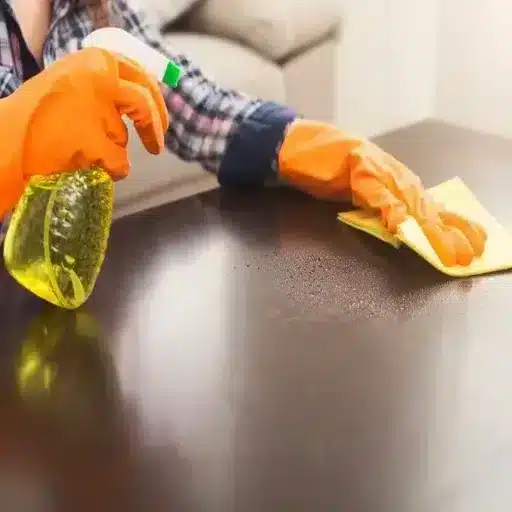
Best Wood Cleaner: How to Choose the Right One for Every Finish
The best wood cleaner is the one that matches your finish and surface. For most sealed wood, a pH-neutral spray such as Bona or Method is the safest everyday choice. For heavy grime and grease, a diluted soap concentrate like Murphy’s Oil Soap does the heavy lifting. For oiled, waxed, and antique pieces, a nourishing product such as Howard Feed-N-Wax protects and conditions instead of stripping.
Marco learned this the hard way. Last winter, he wanted to freshen the walnut dining table his parents gave him, so he grabbed the first “wood polish” on the supermarket shelf and sprayed it directly on the surface. Within a month, the table felt sticky, and fingerprints collected on it no matter how often he wiped it down. The culprit was silicone polish, which builds a film that traps dust and resists every cleaner you put on top of it. What should have been a five-minute job turned into a full stripping project.
That aisle is more confusing than it needs to be. “Wood cleaner,” “wood polish,” “wood soap,” and “wood restorer” all sound interchangeable, but they do very different things. In this guide, you’ll learn how to identify your wood finish, what the best wood cleaner looks like for furniture, floors, cabinets, antiques, and veneer, and which products to leave on the shelf. By the end, you’ll know exactly what to buy, what to skip, and when a cleaner isn’t the answer at all.
Key Takeaways
- The best wood cleaner depends on your finish: pH-neutral sprays for sealed wood, diluted soap concentrates for heavy grime, and nourishing waxes for oiled or antique pieces.
- Always identify the finish before buying; the same cleaner that shines a polyurethane table can cloud shellac or strip an antique’s patina.
- Vinegar, ammonia, bleach, and silicone polishes are the most common causes of permanent wood damage.
- For most routine cleaning, a few drops of mild dish soap in warm water outperforms half the products on the shelf.
- A low-VOC, plant-based cleaner protects both your finish and the environment, and it extends the life of sustainably sourced wood.
First, Identify Your Wood and Finish
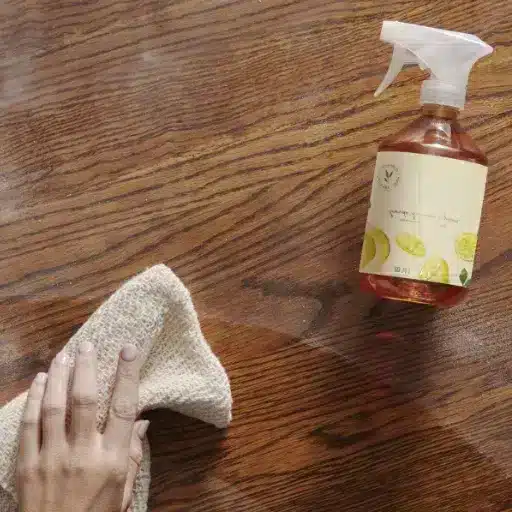
Before you shop, spend two minutes identifying what you’re cleaning. The single biggest mistake in wood care is choosing a product before knowing the finish.
The Water-Drop Test
Place a single drop of water on an inconspicuous spot. If it beads up and stays on the surface, the wood is sealed and will tolerate a damp wipe. If it soaks in and darkens the wood, the piece is unfinished or the finish has worn through, and it needs a mostly dry method instead.
Common Finish Types
- Polyurethane and varnish form a hard, plastic-like film that resists water. They are the most forgiving surfaces and handle pH-neutral sprays well.
- Lacquer and shellac are thinner and more fragile. Excess water and alcohol can turn them white or cloudy.
- Oil finishes (tung, linseed, Danish) soak into the wood. They need re-oiling, not harsh solvents.
- Wax finishes sit on top of the wood and build a soft sheen. They need gentle cleaning and periodic re-waxing.
- Unfinished wood has no protective layer and should be cleaned with dry or barely damp methods only.
Surface Types Change the Answer Too
Furniture, floors, cabinets, veneer, antiques, and outdoor wood each have different needs. A floor cleaner that is perfect for a polyurethane floor can be too aggressive for a delicate veneer cabinet.
We’ll match cleaners to each surface below. You can also jump straight to the guide for how to clean wood furniture, how to clean wood floors, or how to clean wood cabinets for the full step-by-step process.
| Finish type | Best cleaner category | Example products | What to avoid |
|---|---|---|---|
| Polyurethane/varnish | pH-neutral water-based spray | Bona, Method | Vinegar, oil soaps that leave film |
| Lacquer/shellac | Gentle pH-neutral spray, dry dusting | Method (light mist), dry microfiber | Alcohol, vinegar, excess water |
| Oil finish | Re-oiling oils, gentle soap | Howard Feed-N-Wax, tung oil | Solvents, spray polishes |
| Wax finish | Mild soap, re-wax | Murphy’s (diluted), paste wax | Ammonia, harsh degreasers |
| Unfinished wood | Dry dusting, minimal damp | Microfiber, very mild soap | Any spray polish, excess water |
| Antique / veneer | Dry dusting, specialist wax | Howard Feed-N-Wax, conservator guidance | Any spray cleaner, abrasives |
What “Best Wood Cleaner” Actually Means
The phrase “best wood cleaner” hides a problem: cleaning, conditioning, and polishing are three different jobs, and no single product does all of them well. Products that claim to be a wood cleaner and polish in one bottle are trying to do two jobs at once, which is why they often do neither particularly well.
Cleaning Removes Dirt and Grime
A cleaner lifts dust, fingerprints, grease, and stains off the surface. This is the job most people actually need. For routine dirt on sealed wood, a pH-neutral product or a drop of mild dish soap in water is enough.
Conditioning Feeds and Protects
Oils and waxes penetrate or sit on the wood to slow moisture loss, reduce cracking, and add depth. Conditioning is not cleaning. Applying a conditioner to a dirty surface just seals the grime underneath.
Polishing Adds Shine and Film
Polishes and “restorers” add a surface layer that reflects light and, in some cases, fills fine scratches. Many contain silicone, which creates that sticky buildup Marco dealt with and can interfere with future refinishing.
How to Know Which You Need
Clean first, condition second, polish only if you truly want extra shine. If your wood looks dull but feels smooth, it needs conditioning or a fresh coat of finish, not more polish. If it feels greasy or tacky, it needs cleaning, not another product on top.
The Best Wood Cleaner by Finish
Here is the honest, finish-first breakdown that most roundups skip.
For Polyurethane and Modern Sealed Finishes: pH-Neutral Sprays
For sealed furniture and most floors, a pH-neutral, water-based spray is the safest daily cleaner. Bona Hardwood Floor Cleaner is EPA Safer Choice-certified with roughly 95% USDA-certified biobased content, dries fast, and leaves no residue. Method Daily Wood Cleaner is plant-based, fragrance-free, and gentle enough for pets and kids. Both are ready to use and safe on sealed wood.
The downside of these sprays is price and availability. For heavy kitchen grease, they can feel underpowered, which is where a soap concentrate steps in.
For Heavy Grime and Grease: Diluted Soap Concentrates
Murphy’s Oil Soap has been a household name since 1905 for a reason. Diluted about a quarter cup to a gallon of warm water, it cuts grease and stuck-on grime that sprays cannot touch. It is made from 99% naturally derived ingredients and works on cabinets, furniture, and trim.
The catch: oil soaps can leave a waxy film if they are not rinsed properly, and several flooring professionals advise against them on modern polyurethane. Use them where grime is real, then follow with a clean, damp cloth and dry thoroughly.
For Oiled, Waxed, and Antique Wood: Nourishing Waxes
Antiques and oil-finished pieces want products that feed the wood, not strip it. Howard Feed-N-Wax, made from beeswax, carnauba wax, and orange oil, cleans lightly while conditioning and preventing drying. For genuinely delicate pieces, a soft dusting cloth and a conservator’s guidance beat any cleaner off the shelf.
For Veneer and Unfinished Wood: Extreme Caution
Veneer is a thin layer of real wood over a core. Water that seeps into the edges can bubble and lift it permanently. Clean wood veneer with a barely damp cloth and dry it immediately; our guide to how to clean wood veneer covers the safest approach. Unfinished wood, with no protective layer at all, should be dusted and only touched with a nearly dry cloth.
Best Wood Cleaners by Surface
If you only remember one thing, remember this: buy for the surface and finish, not for the brand.
Best Wood Cleaner for Furniture
For sealed furniture, a pH-neutral spray (Bona, Method) used on a microfiber cloth is the safest everyday pick. If you are looking for the best cleaner for wood furniture with heavy grime, diluted Murphy’s Oil Soap works well on a sturdy piece. Always spray the cloth, never the wood, and wipe with the grain. Our full workflow on how to clean wood furniture walks through dusting, deep cleaning, and conditioning by finish.
Best Wood Floor Cleaner
Floors get more abuse than any other surface, so the cleaner must be residue-free and pH-neutral. Bona is the professional pick for polyurethane and engineered floors, and independent testing from Good Housekeeping ranks it first among hardwood floor cleaners. Avoid steam mops, vinegar, and oil soaps on modern sealed floors. The National Wood Flooring Association explicitly warns against vinegar on hardwood, since its acidity can dull the finish over time.
Best Wood Cleaner for Cabinets
Kitchen cabinets collect grease, especially above the stove. Weiman Cabinet & Wood Clean & Shine and Guardsman Deep Cleaning Wood Cleaner are formulated for finished cabinetry and leave no oily film. For stubborn grease, dilute a soap concentrate and rinse well. Cabinets are prone to grime buildup, so follow the cabinet-specific steps in our guide to how to clean wood cabinets.
Best Natural Wood Cleaner
If low-VOC and plant-based matter to you, look for the EPA Safer Choice label and check ingredients. Aunt Fannie’s All Purpose Wood Cleaner is plant-based, wax-free, and safe around kids and pets. Method, Bona, and Branch Basics also make certified, low-VOC formulas. A low-VOC cleaner keeps the air in your home cleaner, which matters in kitchens and nurseries.
Best Wood Cleaner for Antiques
For antiques, less is more. Dust with a soft brush or microfiber cloth, and condition a few times a year with a wax like Howard Feed-N-Wax. Skip sprays, ammonia, and any product with silicone. When in doubt, consult a conservator rather than experimenting on a family heirloom.
The Eco-Conscious Choice: Clean Wood Meets Clean Planet
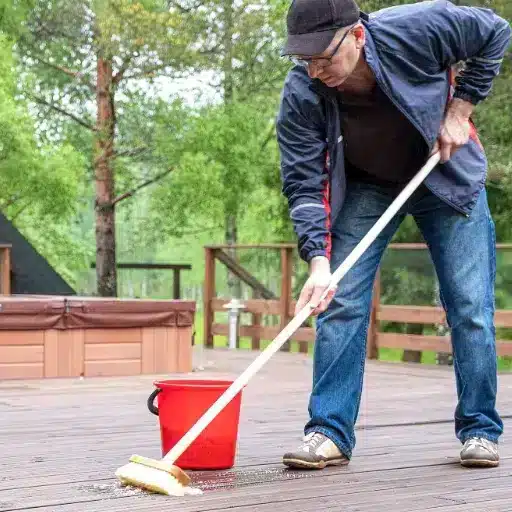
Choosing a low-VOC, plant-based wood cleaner is a small act with a real environmental payoff. If you are searching for an eco-friendly wood cleaner, the single most useful filter is the EPA Safer Choice label, which signals a low-VOC, effective formula. The global wood cleaners market was valued at roughly USD 2.1 billion in 2025 and is projected to grow at about 4% annually, and the fastest-growing segment is eco-conscious, biodegradable formulations. That demand is driven by homeowners who want the same responsible choices for their cleaning products that they want for their materials.
Here is how your cleaner choice connects to the bigger picture:
- Finish longevity. A pH-neutral cleaner preserves the finish, so the wood underneath stays protected and lasts longer.
- Reduced waste. Well-maintained wood rarely needs replacement, which lowers demand for new material.
- Lower chemical load. Low-VOC cleaners release fewer compounds into your home and the water supply.
- Certified materials pair well with certified care. The same way VitalWood Global sources only from certified sustainable forests, choosing a certified, low-VOC cleaner honors that investment. When a piece is too far gone to save, replacing it with sustainably sourced wood closes the loop responsibly.
DIY vs. Commercial: An Honest Verdict
You don’t need to buy a commercial product for most routine cleaning. A few drops of mild dish soap in warm water is pH-neutral, cheap, and perfectly safe for sealed wood. For dusting and light grime, it genuinely matches the sprays.
The honest line is this: when you have real grease, sticky buildup, or a need to sanitize, commercial chemistry wins. Soap concentrates and purpose-built sprays are more consistent, easier to rinse, and formulated for the specific challenge. If you’re facing a sticky surface, our guide to how to clean sticky wood explains the causes and the safe removal steps.
How to Clean Any Wood Surface Safely
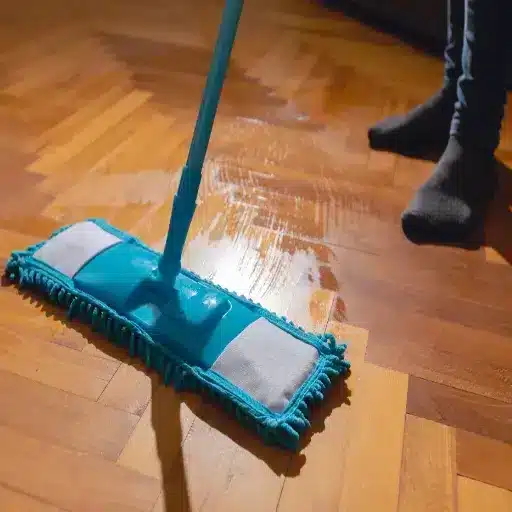
Whether you use a commercial spray or a DIY solution, the technique matters more than the product.
- Dust first. Wipe with a dry microfiber cloth to remove loose particles, so you’re not dragging grit across the finish.
- Test in a hidden spot. Confirm the cleaner doesn’t dull or streak the finish before using it on a visible area.
- Spray the cloth, not the wood. Spraying directly can pool cleaner into seams and edges, especially on veneer.
- Wipe with the grain. Use gentle, overlapping strokes in the direction of the wood grain.
- Dry immediately. Follow with a clean, dry cloth so no moisture sits on the surface.
- Condition on schedule. Oil or wax finished pieces need a fresh coat every few months; sealed pieces may only need it yearly.
Products to Avoid (and Why)
These are the most common culprits behind ruined wood finishes.
- Vinegar. Despite endless DIY recipes, its acidity (around pH 2.2) can etch lacquer and dull finishes over time. The Spruce and the National Wood Flooring Association both advise against it on wood.
- Ammonia and bleach. Found in many all-purpose cleaners, they strip and cloud finishes and can damage veneer glue.
- Silicone polishes. Pledge-style products build the sticky film that traps dirt and complicates refinishing.
- Steam mops. The heat and moisture warp boards and lift veneer.
- Abrasive pads. Steel wool and scouring pads scratch even hard finishes.
Common Mistakes That Damage Wood
Even with the right product, small habits cause most of the damage.
- Over-wetting. Too much water is the number one cause of white rings and warping. Damp, never wet.
- Skipping the dry step. Moisture left on the surface is what damages finishes.
- Using the wrong product for the finish. A polish meant for sealed wood can cloud shellac.
- Polishing instead of cleaning. Adding film over dirt locks the grime in.
- Treating deep damage with a spray. Scratches and gouges need refinishing or replacement, not more product.
When a Cleaner Isn’t the Answer
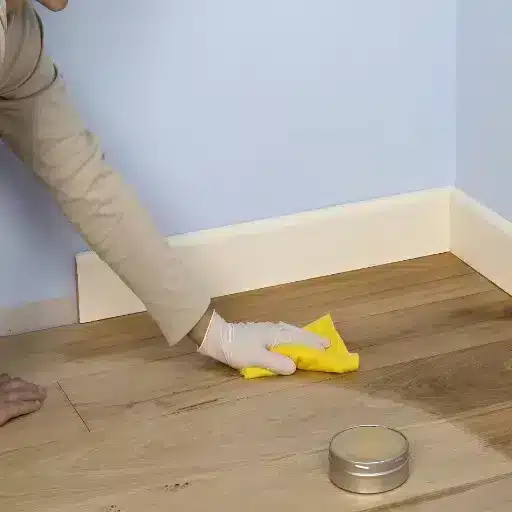
Sometimes the right call is not to clean harder but to accept that the finish, or the wood itself, has reached the end of its life.
Tom found this out with the oak kitchen island he built in 2015. After a decade of dish soap, steam, and one aggressive vinegar cleaning, the polyurethane had worn through and the surface was stained beyond what any cleaner could remove. He sanded it back, but the discoloration had gone too deep into the boards. The honest fix was replacing the top with fresh, responsibly sourced oak. A cleaner would have been a Band-Aid; new material was the real solution.
Here is when to stop cleaning and take a different action:
- Deep scratches and gouges need sanding and refinishing, not polish.
- Bubbled veneer means moisture reached the core, and the panel may need replacing.
- Persistent cloudy finish after cleaning may require stripping and refinishing.
- Antiques with original finishes may be best left to a professional conservator.
- Stains that reappear after cleaning may be water or tannin damage, which has its own treatments.
If your project needs a fresh start, sustainable replacement materials are the durable, planet-friendly answer. Contact VitalWood Global for custom wood solutions built to last, or explore our guide on sustainable wood sourcing.
FAQ
What is the best wood cleaner?
There is no single best wood cleaner. The right choice depends on the finish: a pH-neutral spray like Bona or Method for sealed wood, diluted Murphy’s Oil Soap for heavy grime, and a nourishing wax like Howard Feed-N-Wax for oiled, waxed, and antique pieces.
Can I use vinegar to clean wood?
No. Vinegar’s acidity can etch lacquer and dull finishes over time, and most flooring professionals recommend avoiding it on hardwood. For routine cleaning, a few drops of mild dish soap in warm water is safer.
Is Murphy’s Oil Soap safe for wood furniture?
Yes, when diluted properly (about a quarter cup per gallon of warm water) and rinsed well. It excels on heavy grime and cabinets, but some flooring professionals recommend pH-neutral sprays for modern polyurethane finishes to avoid residue.
What should I not use to clean wood?
Avoid vinegar, ammonia, bleach, silicone-based polishes, steam mops, and abrasive pads. These are the most common causes of permanent finish damage.
How do I know if my wood is sealed?
Place a drop of water on an inconspicuous spot. If it beads up and stays, the wood is sealed. If it soaks in and darkens, the wood is unfinished and needs dry cleaning only.
What is the best natural wood cleaner?
Look for plant-based, low-VOC products with an EPA Safer Choice label, such as Aunt Fannie’s, Method, Bona, or Branch Basics. They clean effectively while keeping your home’s air healthier.
How do I disinfect wood without damaging the finish?
Use a cleaner that is safe for your finish and never soak the wood. For sealed surfaces, a low-VOC spray applied to a cloth works; for cutting boards and unfinished wood, follow the finish-safe steps in our guide to how to disinfect wood.
Conclusion
The best wood cleaner is not a single bottle. It’s the product that matches your finish and your surface, and that’s easier to choose than the aisle makes it look. Identify your finish with the water-drop test, reach for a pH-neutral spray for sealed wood, use a diluted soap concentrate for real grime, and feed oiled or antique pieces with a nourishing wax. Skip the vinegar, ammonia, silicone, and steam mops, and remember that technique beats product every time.
Your next step: if your wood is healthy, build a simple routine: dust weekly, clean monthly, and condition quarterly. Whatever best wood cleaner you settle on, the routine matters more than the bottle. If a piece is beyond cleaning, give it a second life with sustainably sourced material. Explore VitalWood Global’s wood products or get in touch to talk through your project. Your wood, and the forests it came from, will thank you.