
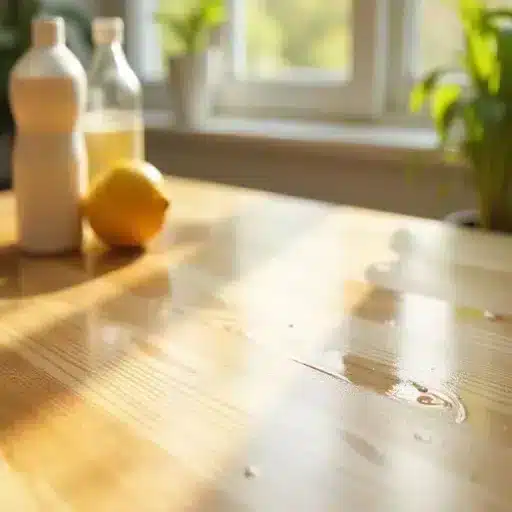
How To Clean Unfinished Wood: Safe Methods For Bare Wood Surfaces
Learning how to clean unfinished wood safely starts with dry methods: brush off loose dust, vacuum, and wipe with a soft cloth. If that is not enough, use a barely-damp cloth with mild soap or mineral spirits, wipe with the grain, and dry the surface immediately. Water is the biggest risk to bare wood, because it raises the grain and can leave stains or warp the piece.
Elena learned that lesson on a Saturday morning. She had just unpacked a beautiful unfinished pine table from a local maker and wanted to wipe away the light sawdust before moving it into her dining room. She grabbed a wet dishcloth, gave the top a brisk once-over, and set it near the window to dry.
By evening the tabletop felt like sandpaper. The water had raised the grain into a rough fuzz she then had to sand smooth, and a faint dark blotch had soaked in where the cloth had rested for a few seconds too long. A ten-minute clean turned into a two-hour repair.
That mistake is easy to avoid once you understand the material. Unfinished wood has no protective coating, so every bit of moisture and every cleaner sits directly against the wood fibers. This guide walks you through the safe way to clean bare wood, from daily dusting to stubborn stains and mold, and explains when to stop cleaning and seal the surface instead. If you are working with sealed pieces too, our complete guide on how to clean wood covers furniture, floors, and cabinets.
Key Takeaways
- Dry methods come first: a soft brush, vacuum, and lint-free cloth remove most dirt from unfinished wood with zero risk.
- Water is the main danger to bare wood, because it raises the grain, can leave dark stains, and promotes warping.
- If you must wet-clean, use a barely-damp cloth with mild soap or mineral spirits, work with the grain, and dry immediately.
- Vinegar works on some hardwoods but can damage softwoods like pine, so test it in a hidden spot first.
- Sealing unfinished wood after cleaning makes it far easier to care for and extends its life, which is kinder to the environment too.
Why Unfinished Wood Needs Different Cleaning
Unfinished wood is wood with no protective layer at all. There is no polyurethane, no lacquer, no varnish, and no oil barrier standing between the surface and whatever touches it. That makes it the most honest form of wood, and also the most vulnerable.
Bare wood is hygroscopic, which means it constantly absorbs and releases moisture from the air around it. Add liquid directly and it soaks straight into the fibers. The fibers swell, the surface rises, and when the wood dries, that raised grain stays behind as a rough, fuzzy texture. Worse, moisture that enters unevenly creates the internal tension that leads to warping, cupping, and splitting over time.
The numbers make the point. Wood experts estimate that 95% of all wood problems, from cupping floors to peeling finishes, trace back to moisture in some form. Interior wood is kiln-dried to roughly 6 to 8% moisture content for a reason. Flood a bare tabletop with a wet cloth and you push the surface far past that balance, and the wood responds by moving.
This is also why finished wood is so much easier to clean. A sealed surface shrugs off a damp wipe. Bare wood drinks it in. That single difference changes every cleaning decision you make, which is why most of the advice below starts with the same instruction: do this dry first.
The Water-Drop Test: Is It Really Unfinished?
Before you clean anything, confirm what you are dealing with. Place a single drop of water on an inconspicuous area of the piece. If the water soaks in within a few seconds, the wood is unfinished or has a very porous finish, and you should use the gentle, dry-first methods in this guide.
If the drop beads up and sits on the surface, the wood is sealed, and standard wood-cleaning products are safe to use. Murphy’s Oil Soap uses exactly this test in its own guidance, and it is the fastest way to know which cleaning rules apply to your piece.
First, Know What You’re Cleaning
The cleaning method that is safe on one unfinished surface may damage another. Three things change the rules: the finish state, the wood species, and the age and condition of the piece.
| Surface state | Water-drop test | Cleaning approach |
|---|---|---|
| Completely bare | Water absorbs quickly | Dry methods only; barely-damp cloth as a last resort |
| Oiled | Water soaks in slowly | Dry dusting; reapply oil to condition |
| Waxed | Water beads slightly | Dry dusting; gentle wax-safe cleaning |
| Sealed | Water beads and sits | Standard wood cleaning is safe |
Know Your Wood Species
Softwoods like pine and fir are resinous and soft. They absorb water quickly and show every grain-raising mistake, which is why some guides warn against vinegar on these species. Hardwoods like oak, maple, and walnut are denser and tolerate a little more, but their open pores can still take up water and stain. Oily woods like teak resist moisture naturally, so dry dusting is often enough and water-based cleaners can leave a cloudy film.
When to Call a Professional
The Canadian Conservation Institute, which advises museums on wood care, recommends that fragile, flaking, or historically valuable pieces be left to a conservator. If the wood feels soft, is powdering, or carries a finish you want to preserve, stop cleaning and get expert advice. For most everyday furniture, floors, and shelving, the methods below are perfectly safe to do at home.
The Dry-First Cleaning Ladder
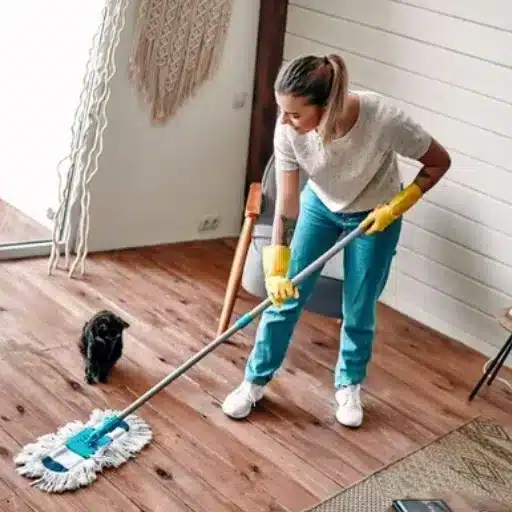
This is the single most useful framework for unfinished wood. The Canadian Conservation Institute’s guide lays out a ladder of cleaning methods, from the gentlest to the most aggressive. Start at the top and only move down as far as the surface actually requires.
- Soft brush and vacuum. For routine dusting, brush loose dust toward a vacuum nozzle using a soft paintbrush or a dry microfiber cloth.
- Stiff brush and vacuum. For ingrained dirt on wood in good condition, use a stiff bristle brush, still collecting the dust with a vacuum.
- Smoke or chemical sponge. A vulcanized rubber sponge lifts grime when pressed or rolled over the surface. Cut away the soiled portion as you go.
- Erasing compounds. Products like drafting erasers are worked over the surface with absorbent cotton in small circles, then vacuumed away.
- Erasers. Gentle eraser work handles isolated spots.
- Adhesive rubber. A sticky, pliable rubber pressed into crevices and grain lifts dirt from hard-to-reach places like window tracks and cabinet corners.
Why go dry first? Because every one of these methods carries zero risk of raising the grain, warping, or staining. Dust and grit are the real enemies of bare wood, since wiping a dusty surface can drag abrasive particles across the fibers and scratch them. Work with the grain, use light pressure, and test any method on an inconspicuous spot first.
If your bare wood is beyond dusting and needs a proper deep clean, our guide to the best wood cleaner compares the safest commercial and DIY options for every surface type.
When Dry Cleaning Isn’t Enough: Minimal Wet Cleaning
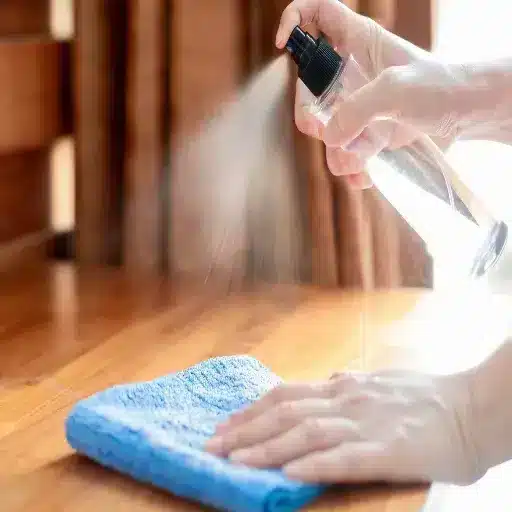
A truly grimy surface will eventually need moisture or a solvent. The rule is simple: use as little as possible, and dry immediately.
The Barely-Damp Cloth Rule
Wring a cloth out until it is almost dry, then wipe with the grain in small sections. Follow immediately with a clean, dry cloth. Never let water pool or sit on the surface. A drop of mild, pH-neutral dish soap in warm water helps cut light grime. Rinse with a barely-damp cloth and dry again before you move on.
Mineral Spirits for Deep Grime
For grease, wax, or grime embedded in the grain, mineral spirits are the safest deep cleaner for unfinished wood. They dissolve the buildup without swelling the wood or raising the grain, and they evaporate quickly. Apply sparingly with a lint-free rag, work with the grain, and keep the room ventilated. Wipe away any excess so it does not sit on the surface.
The Vinegar Question
Vinegar is where the internet disagrees. Hunker’s guide recommends a diluted solution of 1/2 cup of white vinegar per gallon of water for cleaning unfinished wood, while other sources warn that vinegar’s acidity can damage bare wood, especially softwoods. The honest answer is that vinegar can work on some hardwoods in low dilution, but it is never necessary and it carries real risk. If you try it, use a light mix, test in a hidden spot, avoid softwoods like pine, and never let it sit. If you want a cleaner that is clearly safe, skip the vinegar and reach for mineral spirits or a dedicated unfinished-wood cleaner.
How to Remove Stains, Mold, and Grime From Unfinished Wood
Once dirt is embedded or a stain has set in, dry dusting is not enough. Match the method to the problem.
| Problem | How to remove it | Caution |
|---|---|---|
| Grease and hand oil | Mineral spirits on a lint-free rag | Ventilate; wipe away excess |
| Dark water stain | Light sanding after the wood is fully dry | Never scrub wet wood |
| Ink and marker | Fine sanding or an erasing compound | Stop if it removes wood color |
| Crayon or wax | Mineral spirits, or scrape gently | Work with the grain |
| Mold and mildew | Diluted bleach mix, then dry and sand | Never mix bleach with ammonia |
| Tannin or rust stain | Oxalic acid brightener | Rinse and neutralize after |
For mold and mildew, Wood Magazine recommends mixing 1 part dishwashing liquid, 10 parts household bleach, and 30 parts warm water. Scrub gently with a soft brush in a ventilated area, rinse, and dry thoroughly with a fan. Once the wood is completely dry, sand off any raised grain before finishing. Wear gloves and eye protection, and never combine bleach with ammonia, which produces toxic fumes.
When Priya inherited her grandmother’s walnut writing desk, decades of grime had settled into the carving. She almost reached for a spray cleaner, then remembered that bare wood drinks in moisture. Instead she worked through the dry-cleaning ladder: a soft brush to lift the dust, an erasing compound to pull the embedded grime out of the grooves, and a vacuum to lift it all away. An hour later the carving was clean, the wood tone was untouched, and she had not used a single drop of water. The desk needed only a light coat of oil to look new again.
Unfinished Wood Floors: Special Care
Floors take far more punishment than furniture, so unfinished floors need their own routine. Sweep or dust-mop daily, and vacuum with a floor-brush attachment and no beater bar. For spot cleaning, use a barely-damp mop or cloth and dry immediately.
Never use a steam mop on bare wood. The heat and moisture force water deep into the grain, causing swelling and cupping that is expensive to fix.
How to Clean Unfinished Wood Before Staining
Many people clean bare wood because they plan to stain or seal it. That is exactly the right instinct. Dust, oils, and grease on the surface block stain from penetrating evenly, so a clean surface is the foundation of any good finish.
The pre-finish routine is straightforward: remove dry dust, wipe the surface with mineral spirits to cut any invisible oils from handling, let it dry completely, and finish with a tack cloth to lift any remaining dust. We explain the full workflow, including how to handle mill glaze on new lumber, in our guide on how to clean wood before staining. Following that process prevents the blotchy, patchy results that come from finishing a dirty surface.
Watch this quick walkthrough of safe bare-wood cleaning, from the water-drop test to the dry-cleaning ladder.
Should You Seal Unfinished Wood After Cleaning?
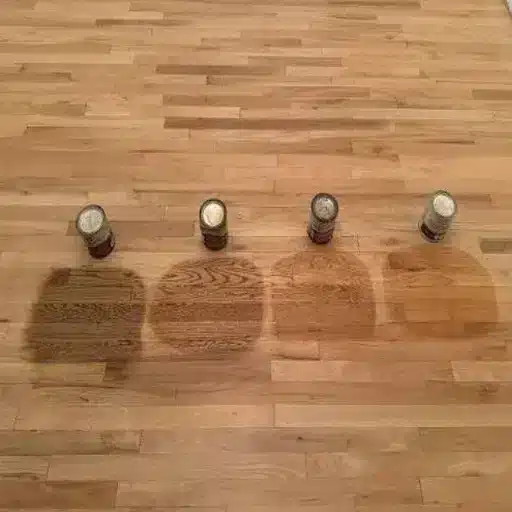
Once your unfinished wood is clean, you have a decision to make: leave it bare, or seal it. Sealing is the best protection for bare wood. A coat of polyurethane, lacquer, shellac, or a natural oil creates a barrier that repels moisture, makes future cleaning easy, and dramatically extends the life of the piece.
That matters for more than convenience. When responsibly sourced wood lasts longer, it does not need to be replaced as often, which reduces waste and the demand for new harvesting. Sealing the wood you already own is one of the most sustainable things a woodworker can do.
Natural oils and waxes are the gentler option. They deepen the color and offer light protection without a hard film, but they need periodic reapplication. Film finishes provide stronger protection and are easier to clean, though they change the look and are harder to remove. If you would rather keep the piece bare, that is fine, but expect to clean it more often and treat moisture with extra care. Some wood, like an untreated cutting board, stays bare on purpose.
Marcus built a set of bare oak shelves for his workshop and loved the raw look, so he left them unfinished. Eight months later they were covered in a gray film from dust and workshop oil, and cleaning them meant risking water damage. He finally sealed them with a clear matte polyurethane. Now a quick wipe keeps them clean, and the wood underneath is protected for years. He wishes he had done it on day one.
Common Mistakes to Avoid When Cleaning Unfinished Wood
- Soaking or wet-mopping. Never flood bare wood. It swells, warps, and stains.
- Using oil soap. Murphy’s Oil Soap is explicitly not for unfinished wood, because bare surfaces are water-sensitive.
- Steam mops and hot water. Heat and moisture are the fastest way to ruin bare floors.
- Undiluted vinegar, or vinegar on softwoods. The acidity can strip the surface and damage pine.
- Bleach on tannin-rich woods. On oak and cedar, bleach can cause dark stains instead of removing them.
- Scrubbing across the grain. Always work with the grain to avoid scratches.
- Skipping the test patch. Test any cleaner on a hidden spot before cleaning the whole piece.
- Not drying. Any moisture you introduce must be removed immediately.
FAQ
Can you clean unfinished wood with water?
Not as a first choice. Bare wood absorbs water, which raises the grain and can stain or warp the surface. If you must use moisture, wring a cloth until barely damp, wipe with the grain, and dry immediately.
Can you use vinegar on unfinished wood?
On some hardwoods, a heavily diluted vinegar solution can work, but vinegar’s acidity can damage softwoods and bare wood, and it is never necessary. Test it in a hidden spot, avoid pine, and never let it sit. Mineral spirits or a dedicated cleaner is safer.
What is the best cleaner for unfinished wood?
For routine cleaning, dry methods are best. For deeper grime, use mineral spirits or a dedicated unfinished-wood cleaner. Our best wood cleaner guide compares the safest options by surface type.
Can you use Murphy’s Oil Soap on unfinished wood?
No. The manufacturer warns against using oil soap on unfinished, unsealed, or waxed wood, because these surfaces are water-sensitive.
How do you remove stains from unfinished wood?
Lightly sand the stained area after the wood is fully dry, then clean again. For grease, use mineral spirits. For mold, use a diluted bleach mix, dry thoroughly, and sand off raised grain.
How do you clean unfinished wood before staining?
Remove dry dust, wipe with mineral spirits, let the wood dry fully, and finish with a tack cloth. Our how to clean wood before staining guide covers the complete workflow.
Does water damage unfinished wood?
Yes. Water raises the grain, leaves dark stains, and, if absorbed unevenly, can warp or cup the wood. Keep moisture to an absolute minimum.
How do you remove mold from unfinished wood?
Scrub gently with a diluted bleach mix, rinse, dry thoroughly with a fan, then sand off raised grain. Never mix bleach with ammonia.
Should you seal unfinished wood?
Sealing makes bare wood easier to clean and protects it from moisture damage, which extends its life. Natural oils and waxes are lighter options; film finishes offer the strongest protection.
Conclusion
Knowing how to clean unfinished wood correctly comes down to a simple discipline: dry first, use the gentlest effective method, keep moisture minimal, and dry immediately when you do wet-clean. Start with the water-drop test, work your way down the dry-cleaning ladder, reach for mineral spirits when you need more, and seal the surface when you want lasting protection.
When you care for bare wood this way, you are protecting more than a tabletop or a floor. You are extending the life of responsibly sourced material and reducing the need to harvest and ship replacements. That is sustainability in its most practical form.
At VitalWood Global, we source our lumber from certified sustainable forests and take the same care with our material that we hope you will take with yours. If you are planning a project, explore our sustainably sourced wood products and our complete guide on how to clean wood. And if you would like help choosing the right material for your next build, get in touch with our team.