
Blog
How to Stain Pine Wood: A Step-by-Step Guide to a Smooth, Even Finish
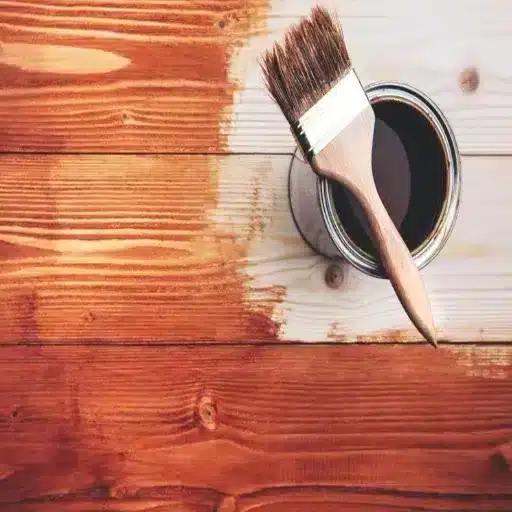
You can stain pine wood beautifully, but the secret is controlling how much stain the wood absorbs. Pine is a softwood with uneven grain density, so some areas drink in color while others resist it. The result is often blotches,…
How to Stain Wood: The Complete Guide to a Professional-Quality Finish

To stain wood properly, sand the surface smooth, apply a pre-stain conditioner on softwoods, brush or wipe on the stain with the grain, let it absorb for 5–15 minutes, wipe off the excess, and seal the wood once it is…
Wood Veneer Supply Chain: A Complete Guide to Sustainable Sourcing, Logistics & Risk Management

The wood veneer supply chain moves raw timber from certified forests through peeling, drying, grading, and pressing before reaching manufacturers, distributors, and architects. Each stage introduces risks: quality inconsistency, regulatory compliance gaps, tariff exposure, and traceability failures that can cost…
Wood Veneer Manufacturer vs Supplier: The Complete Guide to Choosing the Right Partner
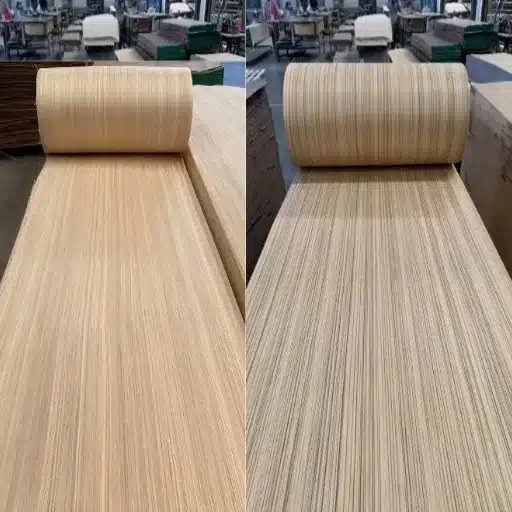
A wood veneer manufacturer transforms raw logs into finished veneer sheets through every phase of production, while a wood veneer supplier sources finished veneer from multiple manufacturers and adds value through curation, custom matching, and logistics. The choice between them depends on…
Global Wood Veneer Manufacturing Hubs: A Regional Sourcing Guide for 2026

The world’s top wood veneer manufacturing hubs are concentrated in three regions: Asia-Pacific leads in volume with Vietnam, China, and Indonesia; Europe dominates in quality and sustainability with Germany, the Czech Republic, and Italy; and North America specializes in premium…
Reconstituted Veneer Manufacturing: How Engineered Veneer Is Made and When to Use It

Reconstituted veneer is real wood that has been reconstructed from fast-growing species into blocks, then re-sliced to produce sheets with consistent grain patterns and colors. It delivers the appearance of rare hardwoods like walnut, teak, or ebony without harvesting old-growth…
Wood Veneer Quality Control: Grading Standards, Defect Tolerances, and Testing Methods
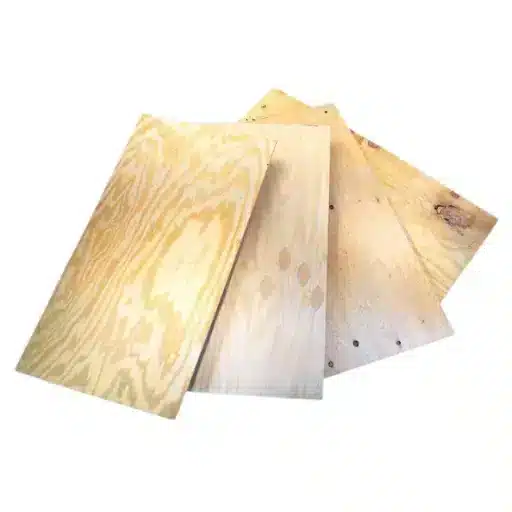
Wood veneer quality control is the system of grading, testing, and inspection that ensures each sheet meets defined standards for thickness, moisture, surface defects, and bond strength before it leaves the factory. It uses letter grades (AA through D), specific…
How to Vet a Wood Veneer Manufacturer: Factory Audits and Red Flags

A wood veneer factory audit is a structured evaluation of a manufacturer’s facilities, documentation, and quality control systems to verify their capabilities, certifications, and reliability before placing a production order. It covers five phases: pre-audit documentation review, production floor observation,…
Wood Veneer Manufacturer Pricing: A Complete 2026 Buyer’s Guide

Wood veneer manufacturer pricing starts around $0.30 per square foot for common domestic species bought in volume. Premium and exotic species can climb to $10-$50 or more per square foot. Your exact cost depends on species, grade, cut, order size,…