
UV Oil vs Aluminum Oxide Flooring: Which Is Better?
UV oil and aluminum oxide flooring represent two opposite ways to protect a wood floor, and the choice comes down to one trade-off: aluminum oxide gives you the longest wear and the hardest repair, while UV oil gives you the easiest repair and the most upkeep. You cannot have both at maximum. If you want a floor you never think about, choose aluminum oxide. If you want a floor you can spot-fix yourself with a rag, choose UV oil.
That is the whole decision in two sentences. Everything else is detail, and the detail is where most buyers get caught out. A showroom tells you the oil floor “feels more natural” and the factory film “lasts longer,” then leaves you to discover the maintenance schedule and the repair bill years later.
Nadia ran into this last spring. She stood in a showroom with two oak samples in her hands, one a dead-matte oiled plank and one a crisp uniform factory finish, and asked the same question you are asking now. The salesperson answered with style and stopped there. Six months later, after a chair leg dragged across her oiled kitchen floor, she learned that “repairable” and “low-maintenance” are not the same promise.
This guide gives you the straight comparison. You will see how UV oil, an aluminum oxide floor finish, and hardwax oil differ across durability, appearance, scratch repair, maintenance, water sensitivity, and cost. By the end, you should be able to pick a finish for your rooms with confidence, not guesswork.
Key Takeaways
- The real choice is durability or repairability, not both: aluminum oxide wears longest and repairs worst, while UV oil and hardwax oil repair easily but demand regular re-oiling.
- Scratch visibility tracks gloss, not brand: matte oil finishes hide marks that a glossy aluminum oxide film will highlight under light.
- Maintenance is the hidden cost of oil: plan on roughly annual re-oiling, and one to four times a year in high-traffic zones, though a lightly used UV oil floor can go years before its first refresh.
- Aluminum oxide refinishing costs 30 to 40 percent more than a traditional finish job, near 8to8to10 per square foot against about $5.
- The wear layer can matter more than the warranty: a 3 mm oil-finished floor can outlive a 1.2 mm floor carrying a 50-year aluminum oxide finish warranty.
The One Trade-Off Behind UV Oil vs Aluminum Oxide
Every finish sits somewhere on a single line. At one end is maximum durability with almost no maintenance. At the other end is maximum repairability that you can perform yourself. Aluminum oxide lives at the durability end. UV oil and hardwax oil live at the repairability end. UV lacquer sits between them.
The reason is mechanical. Aluminum oxide forms a hard film that floats on top of the wood, while oil soaks into the wood and hardens inside the fibers. A film can be extremely tough, but once it fractures, that fracture is fixed in place. A penetrating finish, by contrast, can be refreshed in the damaged spot because the repair oil bonds to the same wood the original oil bonded to.
So when someone asks whether UV oil is better than aluminum oxide, the honest answer is that they solve different problems. Aluminum oxide solves “I never want to think about this floor.” UV oil solves “I want to fix scratches without resanding the room.” The rest of this article helps you decide which problem is yours.
If you are still choosing the broader flooring system, our guide to prefinished engineered wood flooring covers how the factory finish fits into the wider product, and prefinished vs unfinished hardwood flooring explains why the finish is applied in a plant at all.
What Each Finish Actually Is
Before comparing performance, it helps to know what you are comparing. These are not three versions of one product. They are three different protection strategies.
Aluminum Oxide: A Hard Mineral in a Film
Aluminum oxide is not a finish by itself. It is a mineral additive, roughly Mohs 9 and second only to diamond, suspended inside a UV-cured urethane film. The film sits on top of the wood. Factory lines cure it in seconds under UV lamps, which produces a harder and more uniform coating than anything a site applicator can brush on. For the full chemistry, see our dedicated aluminum oxide floor finish explainer, because this article keeps the focus on the comparison.
UV Oil: A Penetrating Finish, Cured Fast
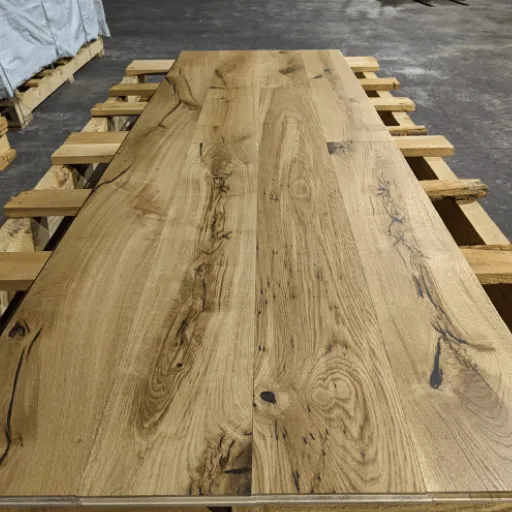
UV oil is an oil that soaks into the top fibers of the wood and is then cured quickly with ultraviolet light. Because little product stays on the surface, the texture of the wood stays open and tactile. This is the finish that gives oak its grain-forward, flat-matte look.
Most UV oils are actually hybrids. They contain some acrylic, and that detail matters. Higher acrylic content improves stain resistance but nudges the finish toward urethane behavior: less repairable, and more likely to read as white lines when it scratches. Two products both labeled “UV oil” can behave quite differently for this reason.
Hardwax Oil: The Matte Cousin
Hardwax oil works like UV oil but blends in natural waxes that settle at the surface. It is the most matte and most repairable of the group, and it is the one design-led interiors tend to reach for. It is also the most maintenance-hungry, and the most prone to showing traffic patterns.
UV Oil vs Aluminum Oxide vs Hardwax Oil: The Comparison Table
Here is the whole comparison at a glance. Read it once, then the sections below explain each row.
| Attribute | Aluminum Oxide | UV Oil | Hardwax Oil |
|---|---|---|---|
| Durability / abrasion | Highest | Moderate | Moderate |
| Appearance | Film-forming, even sheen | Natural, open pore, matte | Natural, low sheen, most matte |
| Scratch visibility | Bright white lines | Blends well | Blends best |
| Spot repair | Difficult to impossible | Yes, spot re-oil | Yes, spot re-oil |
| DIY recoat | Usually not viable | Yes | Yes |
| Ongoing maintenance | Damp clean only | Periodic re-oil | Frequent re-oil |
| Water / chemical sensitivity | Low | Moderate | Moderate to high |
| Refinishing cost | Highest (30 to 40% premium) | Lower | Lower |
| Best fit | High traffic, commercial, rentals | Owner-occupied, repairability | Design-led interiors |
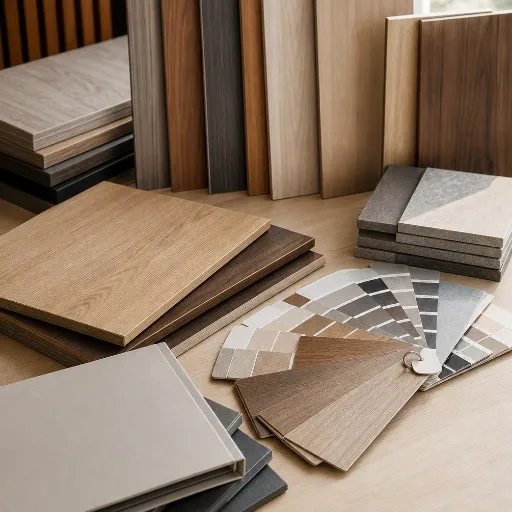
Want to hold these in your hands instead of reading a grid? Request finish samples across sheens and species from our flooring team, and you can compare the matte and the film side by side under your own lighting.
Durability: How Each Finish Wears
The durability question has two parts, and buyers usually conflate them. How long does the surface resist abrasion, and how long before that wear becomes visible?
Factory aluminum oxide out-wears a site-applied polyurethane finish by roughly three to five times in abrasion testing. That is why it dominates commercial specifications and why finish warranties on AO floors stretch to 35 or 50 years. Under normal residential use, an aluminum oxide surface is commonly quoted at 25 years or more before it needs attention, with recoat intervals in the 10 to 20 year range.
UV oil and hardwax oil wear differently. They are rated moderate for abrasion, and their wear shows up as those dull, uneven traffic lanes rather than as a worn-through patch. A UV-oiled floor does not fail suddenly. It fades gradually, and the fade is the signal to refresh it.
Gloss Level and Scratch Visibility Are Inversely Related
This is the single most useful durability idea, and it is counterintuitive. Hard, glossy finishes resist scratches best but reveal them worst. Softer, matte finishes scratch a little more easily but hide the marks.
Aluminum oxide is typically the hardest and, in a semi-gloss sheen, the most reflective. That combination is why an AO floor shows damage so starkly. A matte oiled floor scatters light instead of reflecting it, so a shallow scratch simply disappears into the texture. If your main fear is a visibly scarred floor, sheen may matter as much as the finish family. Sheen, texture, and grade all change how a floor reads under light, and our guide to prefinished wood flooring finishes covers those appearance options in detail.
The Wear Layer Matters More Than the Warranty
A finish sits on a wear layer, and the thickness of that layer sets the ceiling on the floor’s whole life. Consider two engineered floors. One is a 1.2 mm wear layer with a 50-year aluminum oxide finish warranty. The other is a 3 mm wear layer finished with oil. Because the oil floor can be restored again and again, it can outlive the thin floor with the impressive warranty.
This is why we tell buyers to read the wear layer before the warranty, and why our guide to how long prefinished engineered flooring lasts breaks the lifespan into its real parts instead of one vague number.
Repairability: The Deciding Difference
If durability is a close call, repairability is not. This is where the two finishes separate cleanly.
Spot-Repairing Oil Finishes (No Sanding)
An oil floor is repaired with oil. You clean the mark, lightly abrade the spot, and work matching oil into the grain with a cloth. The fresh oil bonds to the same wood the original coat bonded to, so the repair blends by design. No sander, no room-wide project, often no professional. This is the “easiest repair in the industry” claim you see from oil manufacturers, and for spot damage it holds up.
Why an Aluminum Oxide Scratch Is a Whole-Room Decision
Aluminum oxide scratches read as bright white lines because the hard, opaque film fractures rather than dents. You cannot buff the line out, and a touch-up pen rarely matches. Blending a spot repair is difficult or impossible for most installers, and many AO floors reject a recoat entirely because the next coat will not bond to the slick surface.
For a deep scratch, that leaves two real options: replace the affected plank, or resand and refinish the entire room. That is exactly what happened to Nadia’s neighbors, who received three quotes for a full-room refinish after a single dog-scratch, all of them near $1,800, because the coating would not accept a patch. If you face that decision, our guide on whether you can refinish prefinished engineered hardwood walks through the diagnostic tests and the honest alternatives.
Not sure which side of the trade-off your rooms need? Tell our flooring team about your traffic, pets, and budget, and we will point you to the finish that fits.
Maintenance: The Ongoing Cost of Repairability
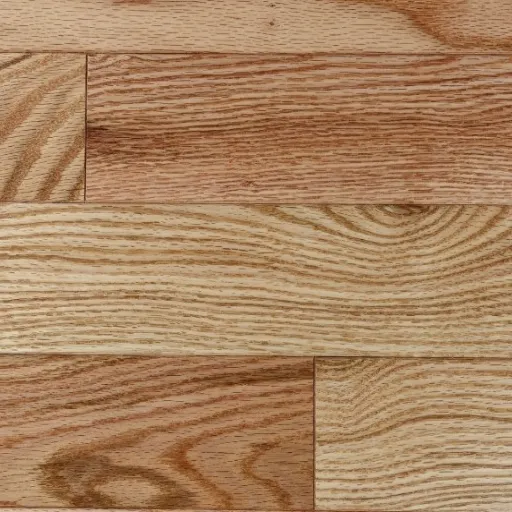
This is the section the showroom conversation skips, and for good reason: it is the price of the repairability you just read about.
An aluminum oxide floor is essentially maintenance-free. Damp-mop it, avoid harsh cleaners, and it asks for nothing else.
An oil floor asks for regular attention. The widely quoted guidance is roughly annual re-oiling across the floor, stepping up to one to four times a year in the busiest zones like a kitchen or a main hallway. Worn areas get spot-oiled as they dull.
The good news is that the interval is traffic-driven, not fixed. UV-cured oils can run far longer than the annual rule suggests. One trade source puts the first residential re-oil at around five to six years. Tom, a homeowner in a quiet two-person house, simply cleaned and buffed oil back into his UV-oiled living room floor after eight and a half years, and the floor had never been resanded. A busy family kitchen on the same finish might want attention within a year.
Pathing: The Matte Traffic Lanes
Here is the downside of oil that never makes the brochure. Because oil sits in the wood rather than on top, foot traffic wears it unevenly along the walking routes. Over time those routes read as slightly matte lanes against a more saturated surrounding floor. This is called pathing, and it is a maintenance signature unique to oil systems. You cannot sand it away without stripping back to bare wood, so the remedy is to re-oil the whole room at once rather than spot-treat, so the sheen levels match.
Water and Chemical Sensitivity by Room
Neither finish turns engineered flooring into a waterproof floor, so kitchen and bath decisions deserve their own look.
Aluminum oxide is the most tolerant of the three. Spills sit on the film and wipe away, and routine cleaners will not dull it. UV oil is more sensitive to standing water, and repeated wet spills can leave marks, so clean spills promptly and use water-based cleaners only. Hardwax oil is the most sensitive to water and to strong cleaners. Across all three, skip steam mops and abrasive all-purpose sprays.
If your project is a kitchen, a bathroom, or a basement, start with the realistic water expectations in our how to clean wood floors guide before you choose a finish. And for the full maintenance workflow on a factory-finished floor, see our guide to prefinished engineered flooring maintenance.
Which Finish for Which Project?
The comparison is easy to apply once you match the finish to the venue. Here is how we break it down for clients.
Rentals, Offices, Retail, and Multifamily
Choose aluminum oxide. In these settings, durability and near-zero maintenance beat repairability every time. Tenants and high daily traffic will not oil a floor, and a landlord would rather have a floor that resists wear than one that needs an annual routine. When a scratch does appear, it is a cost of doing business rather than a maintenance task.
Owner-Occupied Homes Where Repairability Matters
Choose UV oil or hardwax oil. If you are staying in the home, you are the person who will notice the scratch and want to fix it, and oil lets you do that in minutes. You also get the natural matte look that many owners prefer. This is the finish for people who would rather trade an annual routine for a floor they can restore themselves.
Design-Led and Heritage Interiors
Hardwax oil wins on appearance. Its flat, tactile, low-sheen surface flatters natural wood and suits interiors where the floor is a design feature rather than a background. Accept the highest maintenance cadence in exchange.
Commercial Specification and Slip Resistance
For commercial projects, aluminum oxide is the default, and slip resistance should be documented to a recognized standard such as DIN 51130 or ASTM D2047. Our commercial engineered wood flooring page covers specification for hospitality, offices, and retail. Whoever is choosing the floor for a busy family home with dogs should also read our guide to the best prefinished flooring for dogs, where durability and scratch visibility are weighed for pets specifically.
Cost: Finish, Maintenance, and Refinishing
Up front, an aluminum oxide prefinished floor and a UV-oil floor land in a similar band; the finish rarely changes the per-square-foot price by much. The differences show up over the floor’s life.
Maintenance is the oil floor’s ongoing cost: the oil you buy and the hours you spend, or a professional’s fee if you prefer to outsource it. Refinishing is the aluminum oxide floor’s deferred cost. Because the AO film is abrasive and resists sanding, an AO refinish consumes roughly one-third more abrasive material and takes two to three times longer than a traditional job, so it is priced 30 to 40 percent higher. One source puts the first AO refinish near $8 to $10 per square foot against about $5 for a standard finish.
Put simply, oil spreads its cost over time and keeps you in control. Aluminum oxide defers its cost and hands you fewer choices when the bill arrives. Neither is objectively cheaper. They are simply cheaper at different moments.
FAQ
Is UV oil better than aluminum oxide flooring?
Neither is better in the abstract. UV oil is better if you value easy spot repair and a natural matte look and will keep up with re-oiling. Aluminum oxide is better if you want the longest wear and near-zero maintenance and can accept that deep scratches are difficult to repair.
Which is more durable, UV oil or aluminum oxide?
Aluminum oxide is more durable against abrasion. Factory AO finishes out-wear site-applied polyurethane by roughly three to five times and are quoted at 25 years or more of residential life. UV oil is rated moderate and wears visibly along traffic routes over time.
Can you repair a UV oil floor without sanding?
Yes. Oil finishes are repaired by working matching oil into the damaged spot after a light abrade and clean. The new oil bonds to the same wood the original coat did, so the repair blends without resanding the room.
How often do you have to oil a UV oil floor?
Guidance is broadly annual, rising to one to four times a year in high-traffic zones. Usage drives the interval: a lightly used UV oil floor can go five to eight years or more before its first refresh, while a busy kitchen may want attention within a year.
Does UV oil flooring scratch easily?
It scratches like any wood floor, but a matte oil surface hides shallow scratches that a glossy finish would highlight, and any scratch can be spot-repaired with oil rather than resanded.
Is aluminum oxide or hardwax oil better for dogs?
Aluminum oxide resists claws and traffic better, but dog scratches often show as bright white lines. Hardwax oil hides and repairs those marks more easily but needs more upkeep. Choose based on whether you value resistance or repairability.
Which floor finish is best for rentals?
Aluminum oxide. Rentals favor durability and near-zero maintenance, and a landlord does not want a floor that needs an annual re-oiling routine between tenants.
Is UV oil flooring good for kitchens?
UV oil can work in a kitchen, but it is more sensitive to standing water and should be wiped dry promptly. For a kitchen, compare it with aluminum oxide and check realistic water expectations before deciding.
Why does an aluminum oxide floor scratch white?
The AO film is hard and opaque, so it fractures instead of denting. A fractured edge scatters light, which reads as a bright white line that cannot be buffed out.
What is pathing on an oiled floor?
Pathing is the uneven wear along foot-traffic routes, where oiled floors show matte lanes against a more saturated surrounding floor. It is refreshed by re-oiling the whole room so the sheen matches.
Is hardwax oil more durable than UV oil?
They are close, both rated moderate for abrasion. Hardwax oil is more matte and more repairable but needs more frequent maintenance. UV-cured oil can hold its sheen longer with less upkeep.
Can you refinish a UV oil floor?
Yes. Engineered floors with an oil finish can typically be refreshed and, where the wear layer allows, sanded and re-oiled. The wear layer thickness sets how many times this is possible.
Conclusion
The UV oil vs aluminum oxide decision is not about which finish is superior. It is about which trade-off you would rather live with.
- You cannot maximize durability and repairability at once. Aluminum oxide wins on wear; UV oil and hardwax oil win on repair.
- Scratch visibility follows gloss. A matte oil finish hides what a glossy film reveals.
- Oil trades a maintenance routine for the ability to fix damage yourself, and the cadence is traffic-driven, from yearly to eight years or more.
- Aluminum oxide defers its cost to refinishing, which runs 30 to 40 percent higher, near 8to8to10 per square foot.
- The wear layer often matters more than the finish warranty, because it sets how many times the floor can ever be restored.
Pick aluminum oxide for high traffic, rentals, and commercial spaces where the floor should disappear into the background. Pick UV oil or hardwax oil for owner-occupied homes where you want a natural look and the freedom to repair. Either way, you will make a better decision with samples under your own light than with a brochure under a showroom lamp.
Ready to choose with the right sample in hand? Request finish samples across aluminum oxide, UV oil, and hardwax oil from our flooring team, or ask us which system suits your rooms.