
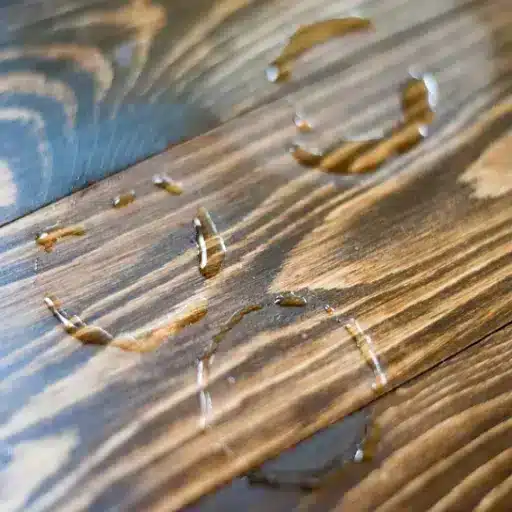
How to Prevent Water Stains on Wood: A Complete Protection Guide
You can prevent most water stains on wood by sealing the surface with a quality finish, wiping spills within minutes, and keeping indoor humidity between 30% and 50%. A strong finish is your first line of defense because it slows how much water can reach the fibers. Daily habits and environmental control do the rest.
A cold glass on a summer afternoon left a white ring on Lisa’s walnut dining table. She had owned the table for three years and never once applied a fresh coat of finish. The stain took an entire weekend of careful polishing to fade. That one ring changed how she treated every wood surface in her home. Prevention, she realized, was far easier than repair. This guide explains exactly how to prevent water stains on wood — and what to do when prevention is no longer enough. For furniture or floors that are already marked, see our complete resource on how to remove water stains from wood.
If you are choosing new wood or replacing damaged boards, VitalWood Global’s custom wood solutions can supply sustainably sourced, properly finished materials that resist stains from the start.
Key Takeaways
- A quality finish blocks most water stains; three coats give the best protection against humidity.
- Wipe spills immediately, use coasters and trivets, and avoid standing water on any wood surface.
- Keep indoor humidity between 30% and 50% to reduce swelling, shrinking, and moisture absorption.
- Furniture, floors, and countertops each need a slightly different prevention routine.
- No finish is fully waterproof, so act fast when water does land on the wood.
Why Wood Gets Water Stains
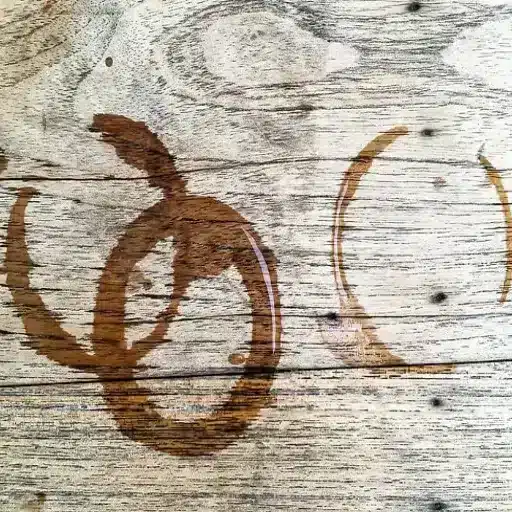
White rings vs. dark stains
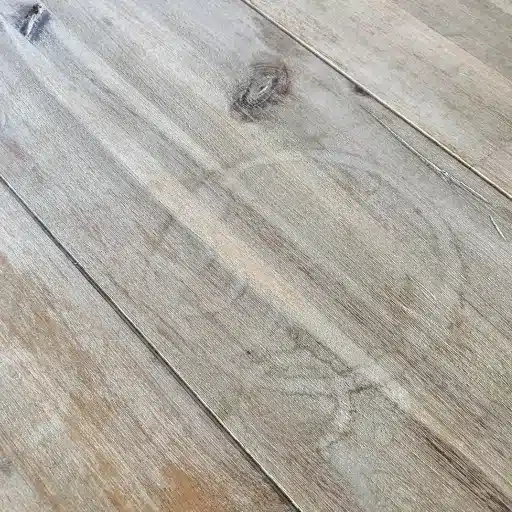
Water stains fall into two main categories. White rings or hazy spots form when moisture gets trapped in the top layer of finish. They sit on or just below the surface and usually respond to gentle heat, oil, or mild abrasives. Dark brown or black stains mean water has reached the wood itself. There, it reacts with tannins, iron, or the wood’s natural pigments. Those deeper marks require sanding, bleaching, or even replacement.
Understanding the difference matters because prevention strategies differ. Surface-level white rings are usually caused by hot or cold drinks, wet glasses, or brief spills. Dark stains come from leaks, standing water, or repeated exposure that overwhelms the finish.
How does finish quality determine stain risk
Wood is porous. Without a finish, it absorbs water like a sponge. A finish creates a moisture barrier. The thicker and more complete that barrier, the longer water sits on top instead of soaking in. However, no finish is fully waterproof. According to the USDA Forest Products Laboratory, even the best finishes slow moisture movement rather than stopping it completely.
The role of wood species and porosity
Dense hardwoods such as maple, walnut, and white oak absorb water more slowly than softwoods like pine or fir. Open-grained woods like oak have tiny channels that can carry moisture deeper if the finish is thin or worn. This is why the same spill can disappear on one table and leave a permanent mark on another.
Daily Habits That Prevent Water Stains on Wood
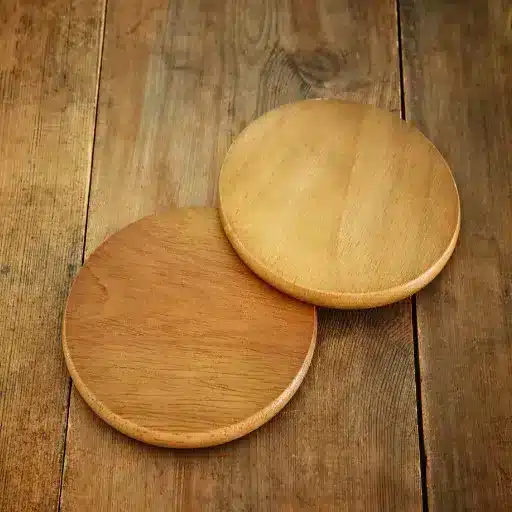
Use coasters, trivets, and placemats
This is the simplest and most effective habit. Coasters lift cold glasses off the surface so condensation never touches the finish. Trivets do the same for hot dishes. Placemats catch drips during meals. The small effort of placing a coaster eliminates the majority of white-ring incidents.
Wipe spills immediately — blot, don’t rub
When water lands on wood, speed matters. Blot the liquid with a dry cloth or paper towel. Rubbing can push water into the grain or wear away the finish. After blotting, dry the area with a second cloth. If a film remains, use a slightly damp cloth followed by immediate drying.
Rotate decor and avoid standing water
Vases, potted plants, and decorative objects can trap moisture underneath. Rotate them every few days so one spot does not stay damp. Use waterproof saucers under plants. Empty condensation trays promptly. Never let a wet towel, umbrella, or pair of boots rest on a wood surface.
Lift, don’t slide, wet items
Sliding a wet glass or pitcher across a table drags water into any tiny scratch or wear point in the finish. Always lift items and place a dry barrier underneath.
Choose the Right Finish to Protect Wood from Water Stains
Moisture-excluding effectiveness of common finishes
The USDA Forest Products Laboratory measures how well finishes block moisture. Their moisture-excluding effectiveness scale shows that film-forming finishes outperform oils and waxes by a wide margin. Three coats consistently give the best results.
| Finish | Moisture-Excluding Effectiveness |
|---|---|
| Melted paraffin wax (dipped) | 95% |
| Two-component epoxy/polyamide gloss paint | 87% |
| Aluminum-pigmented polyurethane gloss varnish | 84% |
| Soya-tung satin enamel | 80% |
| Pigmented flat shellac | 73% |
| Two-component polyurethane wood sealer | 63% |
| Orange or white shellac | 46% |
| Phenolic/tung floor sealer | 35% |
| Paste wax | 1% |
| Linseed oil | 0% |
These numbers come from tests at 90% relative humidity over 14 days. Paraffin wax scored highest because it completely saturates the surface, but it is not practical for furniture. For most homeowners, polyurethane or varnish offers the best balance of protection, appearance, and durability.
Oils, waxes, and paste wax
Oils like linseed or tung oil penetrate the wood and enhance grain, but they offer almost no moisture protection. Paste wax adds a soft sheen and minimal water resistance. They are fine for decorative pieces that will not see water, but they are not enough for tables, countertops, or floors.
Shellac and lacquer
Shellac gives a warm, traditional look and moderate protection. Pigmented shellac performs better than clear shellac because the pigment blocks moisture. Lacquer dries fast and builds a hard film, but it can crack or chip under heavy use. Both work well for furniture in low-traffic areas.
Polyurethane and varnish
Polyurethane is the most popular protective finish for good reason. Family Handyman explains that polyurethane is highly water-resistant, though not fully waterproof. Oil-based polyurethane offers slightly better moisture resistance and durability than water-based. A well-applied polyurethane finish can last 10 to 20 years on furniture and 3 to 5 years on floors before it needs refreshing.
Epoxy and marine finishes
For areas that see serious water exposure — bathroom countertops, outdoor furniture, or boat interiors — epoxy or marine varnish is the strongest choice. These finishes form a thick, plastic-like film that blocks nearly all moisture. They are more work to apply and more difficult to repair, but they are unmatched in wet environments.
How many coats and how often to reapply
- Furniture: two to three coats of polyurethane or varnish, with light sanding between coats; reapply when water no longer beads on the surface.
- Floors: three to four coats of floor-grade polyurethane; recoat high-traffic areas every 3 to 5 years.
- Countertops: three or more coats of polyurethane, marine varnish, or epoxy; inspect annually for worn spots.
- Waxes and oils: reapply every few months to yearly, depending on use.
How to Prevent Water Stains on Wood Furniture
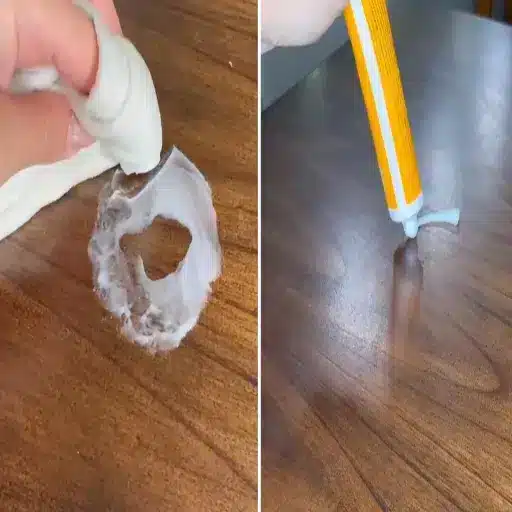
Tables, desks, and dressers
Tables take the most abuse. Use coasters for every drink, trivets for hot dishes, and placemats for meals. Apply a protective finish before the wood shows wear. Reapply wax or polish as needed. If you have a piece you love, keep it out of direct sunlight, which can dry and crack the finish, making stains more likely.
Chairs and arms
Chair arms and edges absorb skin oils and sweat over time, which can soften the finish and make those areas more vulnerable to water. Clean them regularly with a dry or slightly damp cloth. Touch up worn edges with matching finish before the bare wood is exposed.
Outdoor furniture
Outdoor wood faces rain, dew, and sun. Choose a marine-grade finish or penetrating oil formulated for exterior use. Store cushions and covers separately so they do not trap moisture against the wood. Bring small pieces under cover during heavy rain or winter months. For furniture-specific stain removal before refinishing, see our guide on removing water stains from wood furniture.
Antique or unfinished pieces
Unfinished wood and antique finishes are especially sensitive. Avoid placing drinks or plants directly on them. If you want to use an antique table daily, consider having a professional apply a compatible finish that preserves the look while adding protection. For more on delicate surfaces, see our guide to how to remove water stains from wood veneer.
How to Protect Wood Floors from Water Stains
Entryway and high-traffic mats
Water, snow, and mud enter on shoes. Place absorbent mats at every exterior door. Use rugs in hallways and under kitchen sinks. Make sure rugs have breathable, non-staining backings. Rubber-backed mats can trap moisture against the finish and cause discoloration.
Pet bowls, plants, and appliances
Pet water bowls, plant pots, and appliances like humidifiers or air purifiers are common sources of slow leaks. Use waterproof trays under all of them. Empty and dry the trays regularly. Move heavy planters occasionally so the floor beneath can breathe.
Mopping rules: damp, not wet
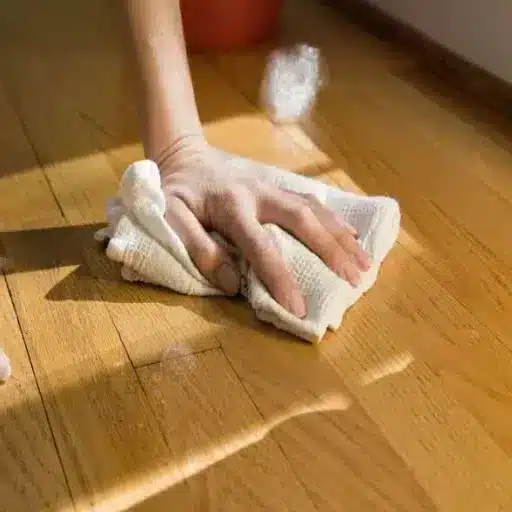
A soaking-wet mop is one of the worst things for a wood floor. Use a well-wrung microfiber mop or a spray-and-mop system. Clean up excess water immediately. Never let puddles sit while you finish another room.
Humidity control for floors
Wood floors swell in humid summers and shrink in dry winters. Keep the indoor relative humidity in the 30% to 50% range year-round. Use a hygrometer to monitor it. Run a dehumidifier in damp basements and a humidifier during very dry winter spells.
Refinishing schedule
Even the best floor finish wears down. High-traffic areas may need screening and recoating every 3 to 5 years. Waiting until the bare wood shows through makes stains and damage far more likely. For deeper damage, see our guide to water stains on wood floors.
How to Prevent Water Stains on Wood Countertops and Veneer
Kitchen countertops and butcher block
Butcher block and wood countertops live around water. They need a food-safe finish that is refreshed frequently. Mineral oil, beeswax, or specialized butcher-block oil should be reapplied monthly or whenever the wood looks dry. Wipe up spills immediately. Avoid cutting directly on the surface because knife marks become entry points for water.
Bathrooms and windowsills
Bathrooms are tough on wood because steam and splashes are constant. Use an exterior-grade or marine finish. Ventilate the room during and after showers. Keep wood windowsills dry, and consider tile or stone for areas that get soaked regularly.
Exterior decks and siding
Exterior wood needs a breathable, water-repellent finish. Penetrating deck sealers and exterior stains allow moisture to escape while blocking rain. Reapply every one to three years depending on exposure. Keep gutters clear so water does not run down siding or collect near the foundation.
Basements and crawl spaces
These areas are often humid. Use a dehumidifier, seal concrete floors, and ensure good ventilation. Any wood stored in a basement should be elevated off the floor and kept dry. Avoid installing solid hardwood in below-grade spaces where humidity is hard to control.
Environmental Control: Humidity and Ventilation
Target relative humidity range
The Oregon State University Extension Service notes that wood moisture content changes with the humidity of the surrounding air. For most interior wood, a relative humidity of 30% to 50% is ideal. Some flooring manufacturers recommend 35% to 55%, and a few allow 40% to 60%. Staying near the middle of that range protects both the wood and the people living with it.
Tools: hygrometers, dehumidifiers, AC, exhaust fans
A small digital hygrometer costs little and tells you what is really happening in the air. Run air conditioning or a dehumidifier when humidity climbs. Use exhaust fans in bathrooms, kitchens, and laundry rooms. In dry climates, a humidifier prevents the finish from cracking and admitting water more easily.
Seasonal swings and acclimation
Wood expands in humid summers and contracts in dry winters. Gaps may appear in winter and close in summer. That movement can crack finishes over time. Acclimate new wood flooring in the room where it will be installed for several days before installation. This reduces stress and helps the finish perform better.
What to Do If Prevention Fails
Act in the first 10 minutes
Most surface stains can be avoided if you blot and dry the area quickly. The longer water sits, the deeper it travels. Keep a dry cloth nearby in dining rooms and kitchens. For white rings, gentle heat from a hair dryer or an iron over a cloth can sometimes draw the moisture back out.
When to refinish vs. replace
If the finish is worn but the wood beneath is sound, refinishing is the right move. Sand lightly, clean thoroughly, and apply fresh coats of finish. If the wood is swollen, blackened, soft, or moldy, the damage has gone too far. Replacement is the honest and durable solution.
The VitalWood path for replacement
When floors or furniture are beyond prevention and repair, the material you choose next matters. Sustainably sourced hardwoods with a durable factory finish resist stains far better than damaged or poorly finished wood.
FAQ
What is the best finish to prevent water stains on wood?
Polyurethane or varnish offers the best practical protection for most furniture and floors. For extreme moisture, epoxy or marine varnish is stronger. Oils and waxes beautify wood but do little to stop water.
Does polyurethane prevent water stains?
Polyurethane is highly water-resistant and prevents most stains from brief contact. It is not fully waterproof, so spills should still be wiped up quickly. A well-maintained polyurethane finish can last many years.
How do you prevent water rings on a wood table?
Use coasters under every glass and trivets under hot dishes. Blot spills immediately. Apply a protective finish and refresh it when water stops beading on the surface.
What humidity level prevents water damage to wood?
A relative humidity of 30% to 50% is ideal for most interior wood. Flooring manufacturers may suggest 35% to 55% or 40% to 60%. Use a hygrometer to monitor the air.
Can you prevent water stains on unfinished wood?
The only reliable way is to keep all moisture away from it. Unfinished wood absorbs water almost instantly. Sealing it with oil, wax, or a film finish is the practical solution.
How often should you reseal wood furniture?
It depends on the finish and use. Paste wax needs reapplication every few months. Polyurethane on furniture can last 10 to 20 years. When water no longer beads on the surface, it is time to refresh the finish.
Are coasters enough to protect wood furniture?
Coasters prevent most white rings from drinks, but they do not stop leaks, overflows, or humidity damage. They are one layer of a complete prevention system that includes finish, cleaning habits, and climate control.
Conclusion
Learning how to prevent water stains on wood is about building a simple system. Start with a quality finish. Add daily habits like coasters, immediate spill cleanup, and moisture barriers under plants and appliances. Control humidity so the wood stays stable. Then maintain the finish over time.
When prevention fails, act fast. Surface white marks can often be treated, but dark stains mean water has reached the wood. At that point, refinishing or replacement becomes necessary. For new floors, furniture, or replacement boards, VitalWood Global’s sustainably sourced wood solutions give you a durable, properly finished starting point. And if a stain has already appeared, our guides to removing water stains from wood, removing white water stains, and removing dark water stains can help.